

4 Classic iPod Features That Are Pure Nostalgia Today
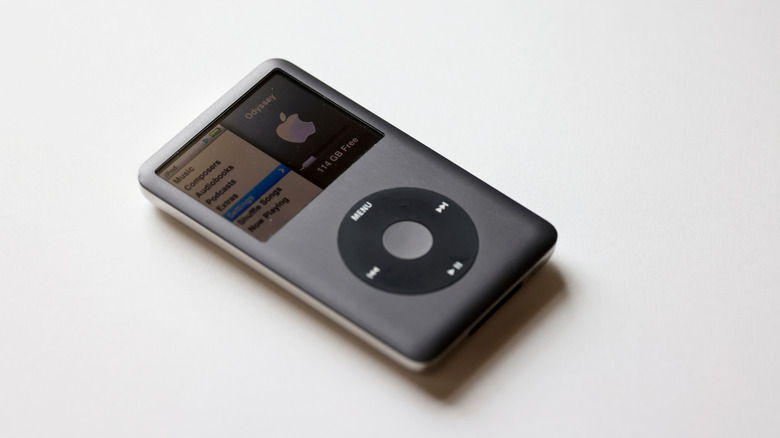
Years before the iPhone came along, Apple's flagship portable electronic device was the iPod. Spanning over 20 years, the history of the iPod is fascinating. It was unveiled by Apple in 2001, at a time when MP3 players were still a relatively new product category. The original iPod featured a 2-inch black-and-white display with a white LED backlight, up to 10 hours of battery life, and a FireWire port that let users transfer entire music libraries from a Mac.
Its most impressive spec, however, had to be its 5GB hard drive, which let users carry around 1,000 CD-quality songs in their pocket. The built-in FireWire port promised fast transfer speeds that could move a thousand songs in just ten minutes. Over the years, the iPod saw regular upgrades to its storage, user interface, and most importantly, its design. The iPod mini that arrived a few years later was a compact music player with a premium build, and the iPod nano was even smaller.
We also had the iPod shuffle — a screenless music player that was designed around shuffling your songs instead of manually browsing and picking what to play. Then the iPod touch carried the mantle into the touchscreen era and saw seven generations before Apple discontinued the iPod in 2022. Now, your smartphone does everything the iPod could do and more, but there are things about the iPod we sorely miss – be it the 3.5mm headphone jack or the convenient physical playback controls.
Physical playback controls
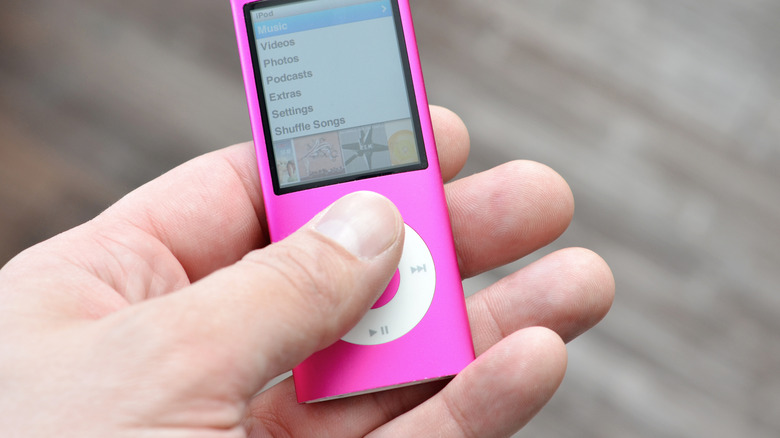
The first iPod featured physical controls that took up more space on the device than the actual screen. The scroll wheel was how you primarily interacted with the user interface. You used it to scroll through your music library and navigate menus, and it could also be used to adjust the volume or scrub through a song. The button in the center of the wheel let you select the highlighted menu item. The iPod also had separate buttons around the scroll wheel to rewind, fast-forward, and play or pause music.
The iPod's controls evolved quite a bit with subsequent releases. The second-generation iPod offered a touch-sensitive scroll wheel instead of one that physically rotated, and the third generation made even the surrounding playback buttons touch-sensitive. Apple introduced the Click Wheel with the fourth-generation iPod, which was a combination of both tactile buttons and a touch-sensitive scrolling interface.
Modern smartphones let you control the volume using physical buttons, but the rest of the interaction happens on a touchscreen. Users miss physical controls because they provide tactile feedback. You could also control just about every aspect of the music listening experience without even looking at your iPod's screen. OnePlus phones have screen-off gestures that let you skip tracks without waking up the display, but this feature doesn't come standard on most smartphones. Some users are still looking for iPods with physical buttons for this exact reason.
The 3.5mm headphone jack
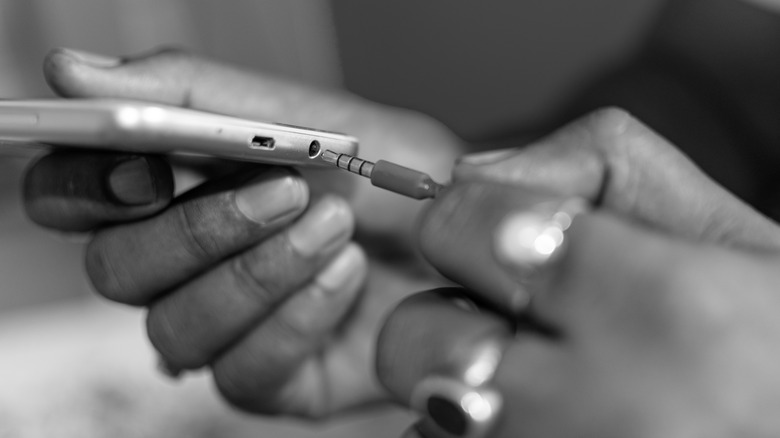
As much of a blessing as Bluetooth audio has been for convenience, a lot of people still reminisce about the simplicity of plugging a pair of wired earphones into their iPods. The 3.5mm headphone jack continued to be a staple part of smartphones until 2016, when Apple made the controversial decision to drop the port with the iPhone 7. Conveniently, Apple also announced AirPods — a pair of truly wireless earbuds that connected to the iPhone via Bluetooth.
Fast forward nearly a decade, and you'd be hard-pressed to find a modern flagship smartphone that ships with a 3.5mm headphone jack. While it's difficult not to acknowledge how successful the AirPods and the truly wireless earbuds market in general have become, wired headphones still have a few advantages that people gave up in exchange for that convenience.
For starters, you don't need to charge your wired earphones or headphones separately — you just plug them into your phone and start listening to music. Plus, with streaming giants like Apple Music and Spotify advertising lossless music, wired earphones have the advantage of supporting the higher-quality audio. Most Bluetooth codecs, in comparison, are lossy by nature. The 3.5mm headphone jack is so nostalgic that wired headphones are making a comeback. They're cheaper, don't have batteries that degrade over time, and can last for years. You can still pick up wired headphones or earbuds that connect to devices via USB-C.
Actually owning your music library
Now, iTunes was far from perfect – it had a clunky user interface, faced troublesome content disputes, and was generally infamous for being a pain to use for something as simple as syncing your music library. Although iTunes is still around, Apple has since shifted its focus toward splitting its functionality across separate services like Apple Music, Apple TV, and Apple Podcasts.
Apple was comparatively late to the game when it came to music streaming. Competitors like Spotify were already dominating the space by the time Apple Music launched in 2015. There are undeniable perks that come with a subscription model — you get to stream millions of songs for roughly the same price that a single album would have cost you. Though paying a monthly subscription fee means you're only renting access to your music library, it remains the more economical option for anyone who likes listening to a wide variety of music.
That said, owning your music library has its benefits, too. For starters, the songs you buy are yours to keep. Once you download the digital files or rip them from a CD, you can sync them to your iPod or iPhone and listen to them indefinitely without having to worry about subscription fees. Your music library also won't be affected if there are any licensing disputes or changes to a streaming service's catalog. Fortunately, if you are a collector, you can still buy music through the iTunes Store.
No other distractions

The iPod served one purpose, and it did it very well. Obviously, it came at a time when mobile phones weren't very exciting, so there wasn't much else competing for your attention. With modern smartphones, however, listening to music has become an activity that often takes a backseat to everything else you're doing on your device. The iPhone's Dynamic Island is a perfect example of how music playback has been reduced to a small widget that lives on top of whatever app you're using, rather than being the main focus of the experience.
Though it's fantastic that we're now able to stream millions of songs in high quality from our phones to our wireless headphones, some people miss how the iPod was immune to the distractions that come with messages, calls, and notifications from social media. In fact, AP News has reported that there has been a surge in interest in dedicated music players, particularly among young people who want a way of listening to music without being bombarded by notifications.
There are quite a few listings on third-party marketplaces like eBay and Facebook Marketplace for secondhand iPods. There are even apps that mimic the classic iPod interface, letting you recreate some of that nostalgic music listening experience on your smartphone. Enthusiasts continue to look for iPods in good condition for that reason alone.