

Why You Should Probably Skip Smart Bulbs For Your Home

We live in an era where almost everything has turned smart, even the bulbs. Smart bulbs promise you a lot of features, and they actually deliver. But sometimes you walk into a dark room, tap your phone, and nothing happens. The app is still loading because of an issue with your Wi-Fi or the app itself. So you stand there, in the dark, holding your phone.
Smart bulbs look like an easy upgrade. You screw one in, and the lights obey your voice. Smart bulbs are one of the cheapest tech options for a budget smart home. But when you look at it, a bulb has only one job: to brighten the room whenever you want. A normal bulb does that on day one and on day one thousand, no questions asked, no complexity. A smart bulb, on the other hand, adds an app, an account, a Wi-Fi link, and a company that has to stay in business. Every extra piece is one more thing that can quietly fail or disappear. This is one reason to skip gadgets that need the internet.
That said, smart bulbs aren't evil. Plenty of people like them, and that is totally fine. But before you fill your home with them, it is better to know what you are signing up for. Here are five solid reasons to skip smart bulbs and go with traditional bulbs.
They cost more than traditional bulbs
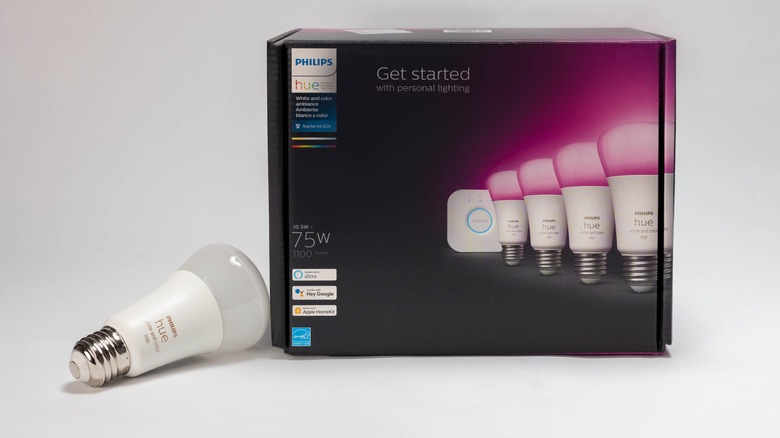
When you're shopping for smart bulbs, you'll probably look at the price tag first. In 2019, Consumer Reports found that one smart bulb could cost anywhere from $7 to $79, and that's still about true today. A typical LED bulb costs about $5 (sometimes even way less). On the other hand, even with discounts and sale prices, you pay extra for a smart bulb that lights up the same way a traditional bulb does when you turn on the power. So you can pay nearly 16 times as much.
To put it in perspective, picture your whole home. 10 smart bulbs at $7 each cost $70, while 10 plain LEDs at $5 cost $50. For 10 smart bulbs, you'd pay around $790. Plus, some brands require a hub, like the Philips Hue starter kit, which costs $200 for three bulbs and a hub. Overall, buying and installing a smart light bulb will cost much more than a traditional bulb.
You might think a smart switch is the cheaper route. It can be, but older homes often lack the extra wiring these switches need, which can complicate things. Adding extra wires around the house usually costs about $250 to $800. So the bill can climb fast, and you have not even turned on a single light yet.
They connect to the internet, so privacy is a worry
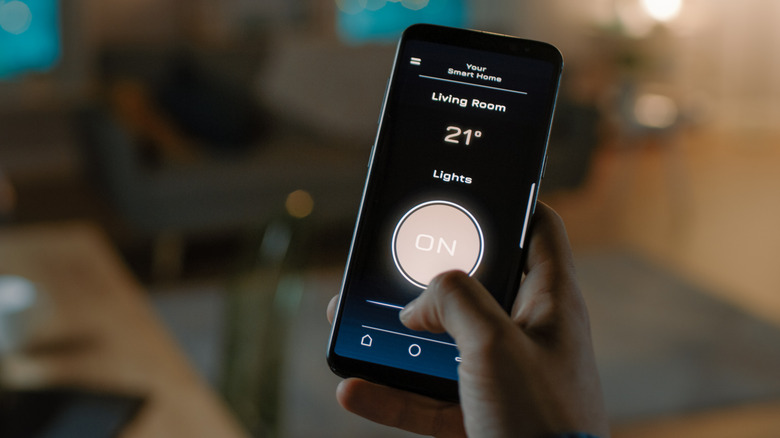
Anything connected to the internet can be hacked. "Think of the bulb as another computer," University of Texas at San Antonio professor Murtuza Jadliwala told CBS News. It might sound odd for something that screws into a lamp. But a smart bulb has a chip, connects to your Wi-Fi, and waits for commands through its app. Anything that does those three things can be a target. In 2025, the smart bulb market size reached $21.13 billion and is expected to grow to $46.67 billion by 2030. So, homes, shops, and offices are all involved.
A University of Texas report examined brands like eufy, LIFX, Nanoleaf, and Philips Hue. It found that hackers could misuse some infrared-based smart bulbs. This could give hackers access to data on a home network, including texts, photos, and videos. The researchers also found that attackers need to be within 50 meters (164 feet) to launch an attack.
In the short term, buy smart bulbs that work through a hub. A hub keeps the bulbs off your Wi-Fi network, making it harder for hackers to access your data. If you already own smart gear, apply a few simple steps to protect your router and Wi-Fi first.
Annoying resets and app issues

As a smart bulb owner myself, one of the most annoying things you can run into is random resets. You might be prepping for a good night's sleep. Instead, you are standing in front of a wall, flipping your light switch ten times. That is how you factory reset most smart bulbs. There's also a warning not to flip too fast. Different models have different flip counts. A bulb meant to save you effort can turn into a light-switch workout, and you might still have to set it up again afterward.
Another annoying issue is the app. Belkin ended support for the Wemo app on January 31, 2026. Remote access and voice features that rely on the cloud stopped working, and Belkin simply said products still under warranty might get a partial refund. This means that while the hardware may still work manually, you lose the features that made it smart. In short, as long as the brand supports the app and the products, the smart bulbs will work. Once they pull the plug, your smart bulb is just a bulb without smart features.
That's not all. PIRG's 2026 Electronic Waste Graveyard highlights over 1.7 billion pounds of potential e-waste from gadgets that lose support. When the app goes, the smart part goes with it, and you paid extra for that.
You get locked into one ecosystem
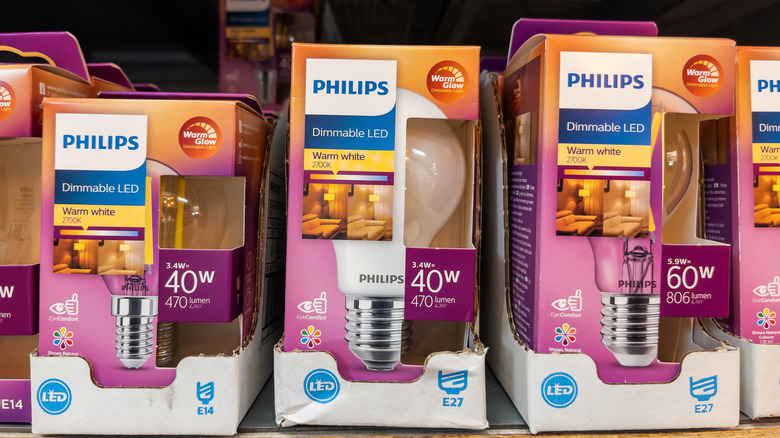
You buy a smart bulb for $12.99 and love it. Then you buy two more. Then a few for the bedroom. Then you learn that it only works through Alexa. That is the case with the Amazon Basics smart bulb. The problem that we are trying to highlight here is that you are now stuck with over a dozen smart bulbs that only support Alexa. In other rooms, you might have purchased smart bulbs that work only with Google Home or Siri. In that case, replacing the other bulbs with ones you are comfortable with can cost too much.
Some smart devices work with certain systems but not others. Each new device you buy makes it more expensive to switch systems later. Your first bulb is a small bet, but the 12th bulb is a long contract. Over time, you are getting locked into an ecosystem. If you decide to switch to something different, you'll have to pay all over again.
According to a report from the IEA's lighting program, even bulbs using the same wireless link may need different apps. Plus, lighting products often rely on proprietary hardware and software. That could leave buyers stuck with one maker. A newer standard called Matter aims to fix this because a product with the Matter logo works with Alexa, Apple Home, Google Home, and SmartThings. So you should check the box before you buy.
They depend on constant power

One of the best features of a traditional bulb is that when you turn off the switch, it goes to sleep. By contrast, a smart bulb never really does. Smart bulbs continue to stay powered, waiting for a wireless signal. While modern smart bulbs have reduced this constant energy draw to a trickle, that constant need for electricity creates a massive flaw. That is a lot of energy spent doing nothing.
That also means the bulb needs power at all times. If a guest flips the wall switch, your app has nothing to communicate with. Power cuts can cause trouble too. One buyer said they had to set the bulbs up again after every power outage. That's not very smart for a smart device, frankly, and it's another reason smart bulbs are no good. Nobody wants that chore at midnight.
With a normal bulb, you don't have to constantly pair it or leave the switch on just to change the light's color. You flip the switch to on, the bulb turns on, and when you flip the switch to off, the light goes off. That is how simple things need to be. As for changing the color, Wi-Fi connectivity, and all those fancy features, simplicity is sometimes better than headaches.