

Why It's Time To Ditch Streaming And Start Buying 4K Blu-Rays Instead
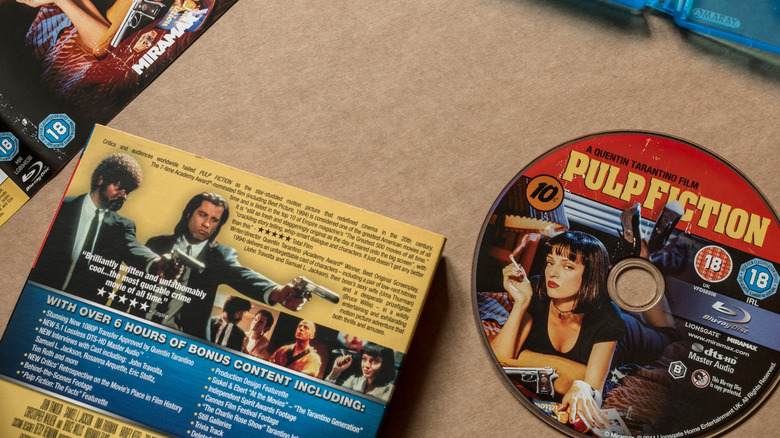
Buying a movie from a store was an experience in itself. It meant carrying your favorite movie back home in a plastic case. You paid once, and it was yours to keep. It never got erased or removed (as long as the disc was fine). Then streaming arrived with a simple promise — everything, anywhere, for a small monthly fee. Although it sounded perfect, it took away the most important thing: ownership.
Things look different now. Streaming platform prices never stay the same and keep changing every few months. Ads keep sneaking back in, and shows/movies get removed without warning. No wonder more people are leaving expensive streaming services for cheaper options. It can feel like a poor deal once you add up three or four subscriptions, and in 2026 you really have to scout for value to make sure you're getting your money's worth. Here is the part that rarely gets said out loud. A 4K Blu-ray disc is simply a better way to watch a film you really love.
The picture is sharper, the sound is richer, and nobody can take the disc away from you. Plus, there are no password rules, no sudden content-removal notices, and no internet dependency. You do need a player and some shelf space. But the trade-off is smaller than you think. Below are five reasons to ditch streaming services and start buying 4K Blu-ray discs instead.
Superior audio-visual quality

Having a 4K TV and then streaming on it is like buying a sports car and driving it through a school zone. Your TV has untapped capabilities that streaming apps don't let you use. The gap comes down to bitrate, the amount of picture data that reaches your TV every second. As What Hi-Fi puts it, most streaming services sit around 15 to 25 Mbps; 4K Blu-rays, on the other hand, run from 72 Mbps to 144 Mbps. That is a lot more detail for your TV to work with.
That gap is quite noticeable on a compatible TV. Dark scenes look cleaner (and much darker). Bright highlights keep more detail. The difference is also audible, as discs can carry lossless audio while streams squeeze it to save space (over the internet). The Blu-ray Disc Association notes that Ultra HD discs hold far more data, ensuring you get the best audio-visual quality.
The good thing is that you can get a Blu-ray disc for quite a low price; you do need a compatible Blu-ray player, though. Plenty of options exist, but choosing the right Blu-ray player will enhance your viewing experience. Pair your Blu-ray player with a decent TV and a good sound setup to get the best out of it.
Permanent ownership of media
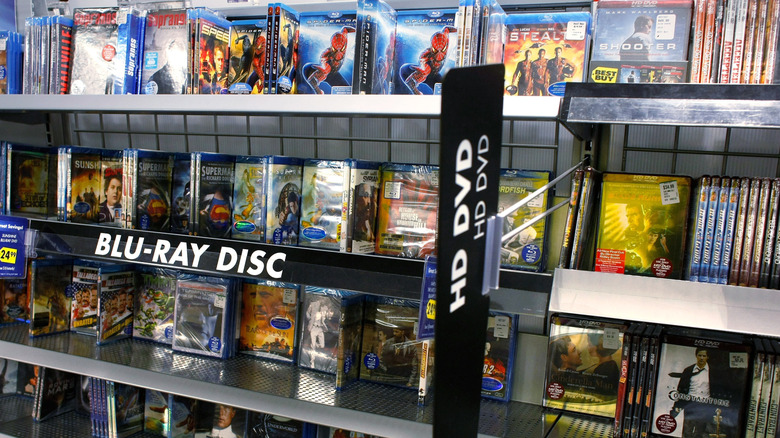
Many of you, especially PlayStation owners, have come across this. Sony told PlayStation owners that it would wipe more than 550 movies and shows they paid for from their libraries on September 1, 2026. A licensing deal with StudioCanal ended, leading to the move. The list included the original Rambo films and the Paddington movies. The worst part is that nobody asked buyers first, who had spent their hard-earned money to get those movies.
There was no backup system or way to move purchases to another platform. This is not a new trick. Even though the button says Buy, you really get temporary permission to watch as long as the seller keeps the rights. Amazon has also argued in court that a Prime Video purchase doesn't mean owning a movie, and its own terms back that up. So, basically, when you purchase a digital title, you are renting it instead of owning it. You can decorate all you want, but as soon as the landlord decides your time is up, you have to go out.
A disc works the other way around. It sits on your shelf; no licensing deal can reach into your home and take it away. You can even share it with your friend, sell it, or pass it over to your kids. Discs are also often heavily discounted during sales.
Completely ad-free viewing
We live in an era where ads are everywhere. Although ads are easy to ignore, you will be shocked by how much they add up. Ampere Analysis (via Business Insider) found that average ad loads on major US streaming services rose 18% between January and August 2026. Paramount+ now shows about nine minutes of ads per hour. In a two-hour film, you have to sit through roughly 18 minutes of ads. This is close to a full sitcom episode. That adds up even more during a movie marathon.
Even popular services are heading the same way. Netflix still shows the fewest ads, but they are there. There is a reason for this. Streaming platforms often make more money from ad viewers than from paying subscribers. For instance, Netflix more than doubled its ad revenue in 2025 to over $1.5 billion. That is why streaming services don't really lure you into buying the ad-free plan.
A physical disc has no such issues. You insert the disc, press play, and the movie simply starts. You might see a trailer or two, but you can skip past them. You won't get a car commercial during the quietest, most tense scene, which can break the emotional connection. There's also no annoying moment when an ad plays louder than the film. You pay for the movie, not the ads.
Free from subscription price hikes
Streaming may look cheap, but it is not. It is another bill that you have to either pay monthly or annually. And subscription prices aren't always the same. Netflix raised prices on every US plan in March this year. The ad tier now costs $8.99/month, the standard plan is $19.99/month, and premium is $26.99/month. Over a year, the standard plan alone adds up to about $240. That is money for a service that can raise its price again whenever it likes, and you will have to pay that higher price to keep watching your favorite content.
Then there is another problem: one streaming service may not have the movies that you like. To fix that, you have to buy another subscription. Prices have mostly gone one way (and that is north) every year. When you add a sports pass or a second service for one show you love, it only adds up to your monthly or annual bill. You keep paying, and still, you own nothing. It is like renting a bike every day instead of buying one.
Discs aren't free, and yes, you do need a player to run them. Still, you will find Blu-ray titles at hefty discounts. In fact, you can borrow one from a friend or get a bundle deal at a store that costs less than a streaming service subscription. On top of that, you won't face a shocking price hike.
No dependence on internet or data caps
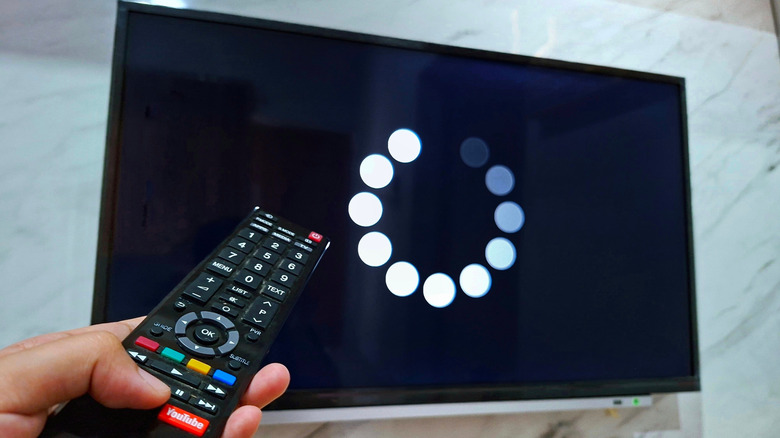
When you choose streaming over discs, you need one thing: a steady internet connection. The best option is an unlimited internet connection. But not every household can afford that, and most internet providers set monthly limits. According to Panda Security, a 4K video can use 7-10 GB per hour. This means a two-hour film may eat roughly 14 GB. With a 100 GB cap, that's about 7 4K movies a month. If you want more data, you have to pay more.
You also have to consider internet speed. Netflix and YouTube require a minimum internet speed for 4K streaming of 15 to 20 Mbps, and Disney+ suggests 25 Mbps. That is fine if you have the money and no internet issues. But think of a relative's house with weak Wi-Fi, a holiday rental with slow internet, or a house where everyone is online at once. Streaming quality drops, or worse, it buffers.
A physical disc needs none of this. It doesn't care whether you have internet access, and it doesn't care about your router, your plan, or the weather. You simply get a disc from a store, insert it into your player, and get full quality every time you play it. So, with a disc, you pay no extra fees beyond the player, TV, and the disc itself when you choose Blu-ray over streaming services.