

Why Your Refrigerator May Not Be Cold Or Working At All, But The Freezer Is
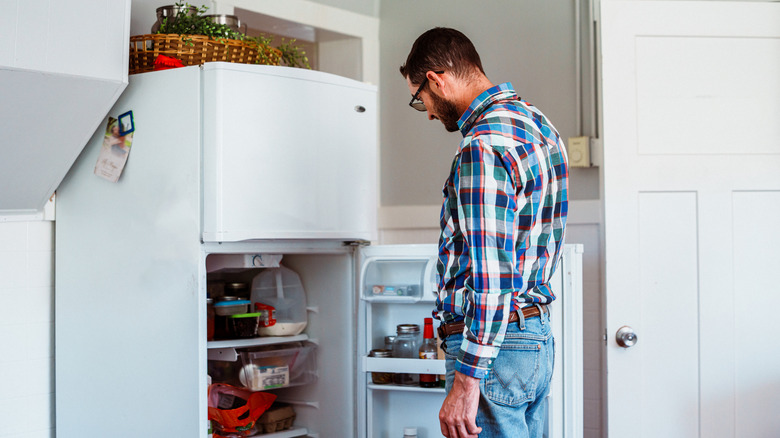
If you notice that your refrigerator isn't cold but the freezer is, it's usually not a major cause for concern. This is a common refrigerator problem, and it can often be fixed quickly without spending much on repairs. In case of smart refrigerators, the fridge showing a "cooling off" sign is a definitive way to know that something is wrong.
Before we get to the underlying causes, it helps to understand how a typical refrigerator works. The cold air isn't produced in the refrigerator compartment. It's generated on the freezer side and then moved through vents into the section where you keep fresh food. So, if the freezer works but the refrigerator doesn't, there's likely a problem with the airflow between the two sides. There are several reasons for this to happen.
A common one is ice buildup blocking the air passage between the freezer and the refrigerator compartment. Freezers have a defrost system, that periodically melts ice off the cooling coils, and the meltwater drains out through a tube. If a defrost part fails or the drain gets clogged, ice can build up and block the airflow between the two compartments. A malfunctioning evaporator fan, which pushes cold air from the freezer into the refrigerator, can also cause cooling issues. Apart from that, simple things like incorrect temperature settings, a damaged door seal, or food items blocking vents within the refrigerator can also be the problem.
Simple fixes to get the refrigerator working
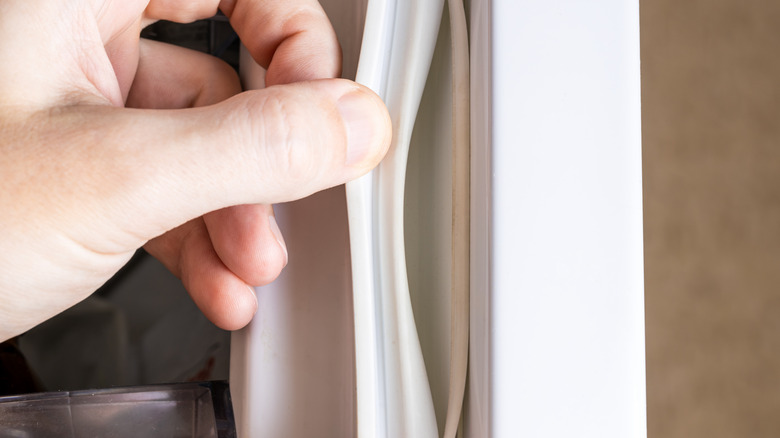
Let's start with the simple fixes, and then work our way up to the more complex ones. First, rearrange the items inside the refrigerator and make sure nothing covers the vents. Next, check whether any changes were made to the refrigerator's temperature settings, keeping the 40-degree rule for refrigerators in mind. If so, reset them to the recommended settings, which is 40 degrees Fahrenheit or below for the refrigerator and 0 degrees Fahrenheit for the freezer. Also, make sure the refrigerator's door seals properly. A good seal keeps cold air in and warm air out, so a faulty one can make it harder for the refrigerator to stay cool. Cleaning the seal should generally work, but if it's damaged, you will have to replace the seal.
While you're at it, unplug the refrigerator for a few minutes, and then plug it back in. Sometimes, temporarily cutting off the power supply does the trick, especially when the problem is caused by a glitch in the control board.
Keep in mind that where you place the refrigerator is just as important. In extremely cool or hot conditions, such as in the garage or under direct sunlight, the refrigerator may not work well. A standard refrigerator is designed for indoor use at normal room temperatures. So, if you have recently moved the refrigerator into a garage or outdoors, bring it back inside and check whether it starts cooling. However, if you have a garage-ready refrigerator, this shouldn't be as much of an issue.
Check the fan and drain tube
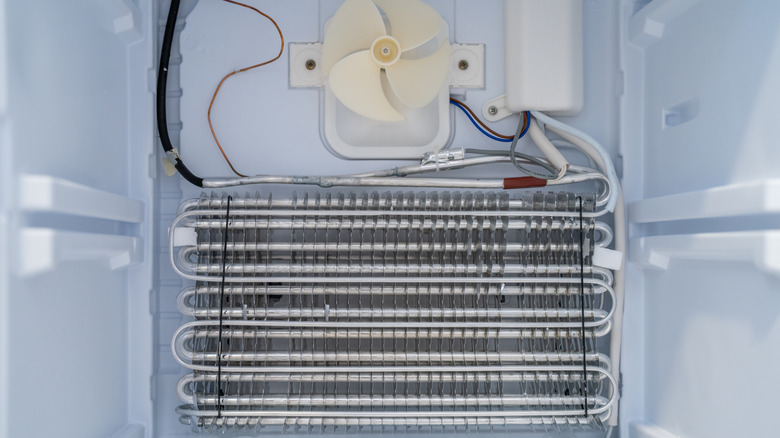
Once you have covered the simpler fixes, it's time to check the fan and whether the vent that leads from the freezer compartment to the refrigerator is blocked. For the fan, noise is a good indicator. Keep in mind that on many models, the fan stops when the freezer door opens, so listen with the door closed or press the door switch. If you hear no sound at all or the fan makes unusual noises, it's best to get the fan inspected.
As for the vent, first empty the freezer and unplug the refrigerator. Then open the freezer, remove the panel that covers the coils and fan, and check for ice buildup. If there's a lot of ice around the coils and fan, it's likely blocking the air vent, and the drain tube may be clogged too. Now all you need to do is wait for the ice to melt, which can take several hours. You can place a bowl of hot water inside the freezer to speed things up, but avoid excessive heat, like a heat gun. Don't chip at the ice with sharp tools either, since this could puncture the coils. Once the ice melts, put everything back in place, and the refrigerator compartment should start cooling. If the ice keeps coming back, a part of the defrost system has likely failed and needs to be repaired. While this isn't particularly tricky on most models, you should always call a professional if you would rather have someone with more experience handle the problem.
Remember, with the right care, a refrigerator can last for 10 to 15 years, so problems like these shouldn't force you to upgrade. As you can see, most of them are easy to fix.