

5 Non-Negotiable Features When Buying A New Smartphone In 2026
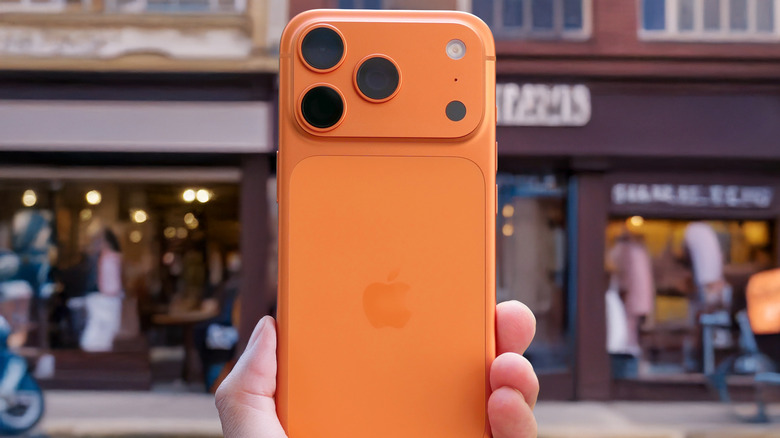
Smartphones have come a long way in a relatively short time, and as a result, basic standards are much higher than they used to be. Today, it's not enough for a phone to boast a crisp 60Hz LCD display and an eight-hour battery life. Instead, to keep up with the competition, a phone needs to check a few important boxes for customers to consider it over the sea of alternatives. As someone who has tested dozens of smartphones over the years (both iPhone and Android), I've learned exactly which specs actually matter when you're considering a new handset.
First, it has to look the part. If a phone has less than a 120Hz adaptive display, it doesn't cut it. Similarly, if the camera quality is lacking and makes your photos and videos blurry, poorly lit, or grainy, it's not up to snuff by today's standards. A significant portion of smartphone users upgrade solely for better camera quality, which is why it's non-negotiable to have a reliable camera module that you can pull out, use to snap a photo, and expect it to be fairly high quality regardless of low lighting, distance, and motion.
Performance and software are important to consider too. If a phone has a beautiful display and an incredible camera but only 64GB of storage and under 8GB of RAM, it won't feel like a modern smartphone. Similarly, software and security updates need to be guaranteed for at least five years for future-proofing. What it doesn't need are gimmicks like foldable screens, fancy accessories that add an extra $500, or cameras that lead with a massive megapixel count as the main selling point.
120Hz OLED display

Unless you're after one of the best budget smartphones on the market, you shouldn't settle for a 60Hz LCD display anymore. You can find 120Hz OLED displays on plenty of phones that cost under $1,000, including the iPhone 17, Pixel 11, and OnePlus 15. Many modern smartphones strike a balance between performance and battery drain by using a 1-120Hz adaptive display, which is also a good choice (especially if the display is always-on).
OLED panels give you the deep blacks, vibrant colors, and contrast we've come to expect from a modern smartphone display, and the 120Hz refresh rate makes it significantly smoother to scroll through a website or document, swipe around your home screen, or play a mobile game. The difference between 60Hz and 120Hz is immediately apparent; it's one of those upgrades that you won't want to switch back from once you get used to it.
Some displays go beyond 120Hz, but anything past that gets harder to notice (unless you're on a gaming TV or monitor). Upgrading to a 144Hz or 165Hz panel won't be nearly as impressive a leap as jumping from 60Hz to 120Hz. But to power that sweet-spot 120Hz display, you need the battery to back it up.
All-day battery life and fast charging
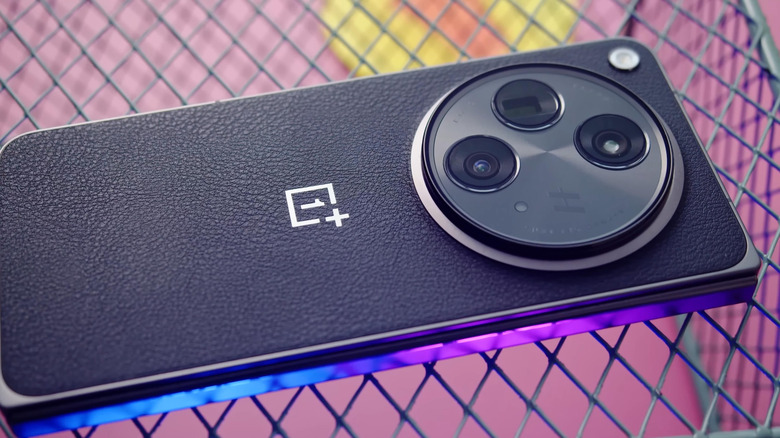
It doesn't matter how good the display is if you have to stay tethered to an outlet and battle with low-battery warnings. All-day battery life, meaning you can unplug your phone in the morning, use it normally throughout the day, and still have some juice left by the time you head to bed, is too important to leave out of a modern smartphone package.
All-day battery life doesn't mean you should only search for the highest capacity, either; a 5,000 mAh battery might look better than a 4,000 mAh battery on paper, but the processor, display, software optimization, and your usage habits can all have a major impact on overall battery life.
And with all-day battery life comes the need to charge it — don't settle for less than fast-charging capabilities. Even smartphones with great battery life will eventually dip into the red, and being able to charge up to at least 60% in a quick 30-minute session is non-negotiable for today's smartphones. You don't necessarily need the 100W+ charging speeds you can find on some flagship Android phones, but check the tech specs for battery ratings (typically measured in video playback or typical daily usage) and compare them with real-world testing from reviews before committing to a purchase.
Stellar camera quality
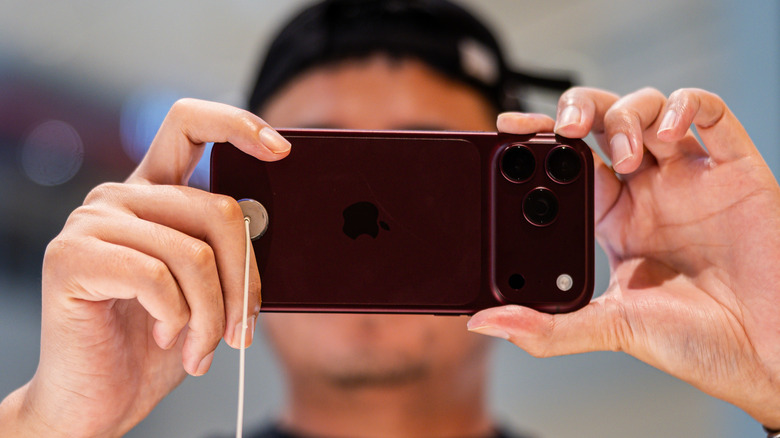
For many smartphone users, a better camera system is the main reason to upgrade. And like battery life, it's important to look beyond the megapixel count and consider the entire package. Apple's iPhones — considered the pinnacle of smartphone cameras by many, while vehemently opposed by others — have been slowly increasing MP count, but have also been making strides in software, sensors, and stabilization. This is where reviews come in particularly handy again; check out the photos and videos a phone can shoot before you buy it.
There are a few specs worth keeping an eye on, though. Optical image stabilization (OIS) helps compensate for unsteady hands and small adjustments while you're holding the phone, which leads to cleaner shots and smoother video recording (think steadier shots when you're moving around at concerts, sports events, and celebrations).
You should also consider what kinds of photos you actually take. A capable main camera is non-negotiable, but an ultrawide lens is useful for landscapes and group shots, while a telephoto lens lets you capture objects from a distance with better clarity. You probably don't need five lenses, a 200MP sensor, or 100x digital zoom, but your smartphone should reliably capture a good photo when you pull it out of your pocket and press the shutter button.
Enough memory to keep up
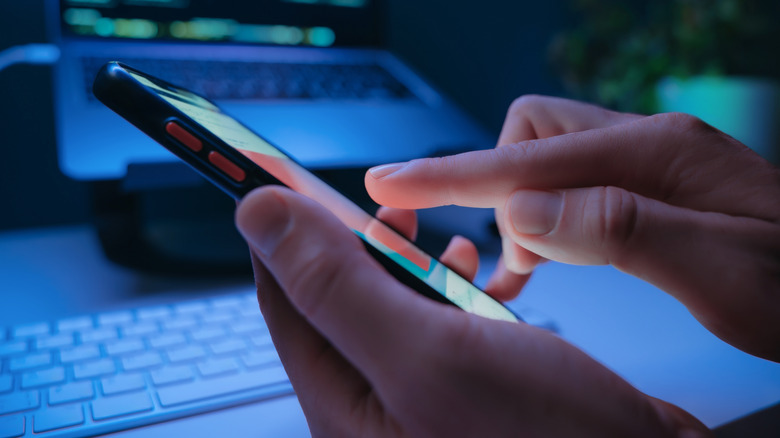
As processors improve year to year, photo and video file sizes get larger due to better camera quality, and you wade through a sea of apps you probably never use but forget to delete; RAM and storage have to keep up, or performance takes a huge hit. If you want your smartphone to feel like a modern flagship device, it needs at least 8GB of RAM and 128GB of storage. Minimum.
Your phone's RAM and internal storage are both considered "memory," but they serve different purposes. More RAM gives your phone headspace to keep apps and processes running in the background, making it smoother to multitask between a game, browser, and camera without constantly waiting for apps to reload. Internal storage is where most of your data lives, and 128GB can fill up faster than you think once you factor in the operating system, apps, photos and videos, and downloaded media (like music, books, and TV shows).
And while 128GB should be non-negotiable, 256GB is a much more comfortable target if you don't plan to upgrade your smartphone for a few years. You can always move some data to a cloud storage service, but you'll likely have to pay for a subscription, and it isn't quite as convenient as simply storing it on your phone.
Longer software support
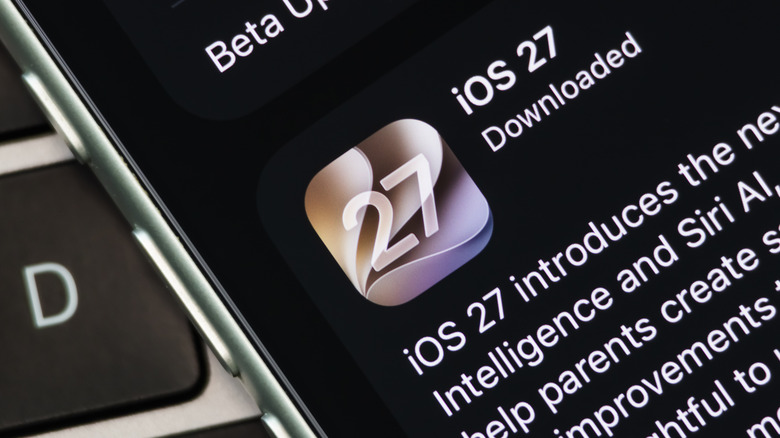
Planned obsolescence, which is a strategy wherein manufacturers deliberately slow down old devices to encourage owners to upgrade, is a major controversy in the smartphone world. Apple famously faced the music for this practice (though it attributed the slowdown to limitations of lithium-ion batteries rather than deliberate action) and has since implemented several safeguards to prevent another lawsuit and extend the life of its iPhones, such as improved battery health indicators and the Apple Self Service Repair program.
Following settlements with Apple and other tech giants in the mobile space and driven by market competition, many smartphone manufacturers have now committed to at least five years of software updates for their latest flagship phones, with seven years quickly becoming the industry standard.
Google, for example, promises seven years of OS and security updates for the Pixel 8 and newer models, and Samsung matches that for Galaxy flagships. Plus, even if you normally replace your phone every three or four years, longer support gives you the option to sell it or hand it down to someone else.