

What Appliances Might Use Gas In An Apartment Or Home?
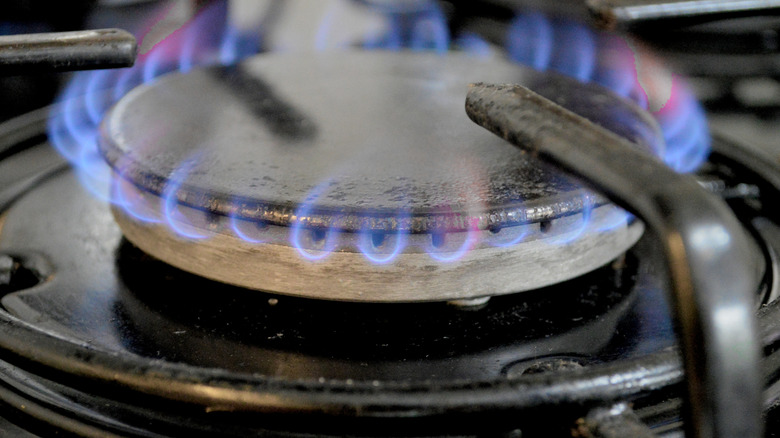
An average home has several different appliances. Some run solely on electricity, while others come in both electric and gas versions, such as water heaters, clothes dryers, and stoves, among other energy-consuming appliances and systems. Keep in mind that while we do have electricity-only appliances, such as washing machines, we generally don't have gas-only appliances. Even gas-powered appliances have an electric equivalent. But many consumers still prefer gas appliances, and they have valid reasons for this choice.
Gas-only appliances are sometimes more cost-effective upfront, so you save money on the initial purchase. However, that's not always the case. In many states, natural gas is cheaper than electricity, which lowers operating costs and creates long-term savings. According to a survey by Rewiring America, only 31% of respondents wanted an all-electric home. Furthermore, 29% wanted a home with primarily electric appliances but a gas stove, and about 21% preferred a home that primarily ran on fossil fuels.
Remember, natural gas isn't the only gas-based fuel that's used in homes. In rural areas with limited or no access to natural gas, propane remains a viable fuel. It must be stored safely in dedicated tanks on-site and is heavier than natural gas. That said, there are several appliances that use gas in an apartment or home.
Central heating systems, water heaters, dryers, stoves, and more
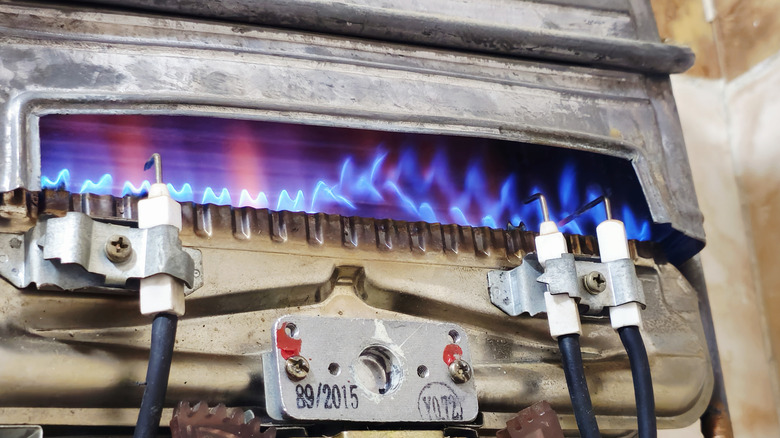
Gas-powered central heating systems remain one of the largest gas consumers in homes. Of course, consumption largely depends on where you live, your home's size, design, insulation, and similar factors. But given that most homes require heating on a seasonal basis, you may see a major difference in your gas bill between winter and summer. Water heaters can also run on gas, and they are often more cost-effective in the long run. Unlike heating systems, water heaters usually run year-round, taking up a sizeable share of your home's gas consumption.
In the kitchen, gas-powered stoves are generally preferred over their electric counterparts. Between gas and electric stoves, some people choose the former because they offer better heat control and can reach the desired temperature faster than electric-only models. You may also see gas ovens in many homes. Additionally, you have gas dryers that dry clothes sooner than electric dryers, although they are not as common.
Lastly, we have gas-powered heaters, barbecues, and lawn mowers. Gas heaters are usually smaller than dedicated central heating systems and target specific areas of the house. For instance, you will find one on the patio in many homes.
You can easily tell if an appliance is gas or electric
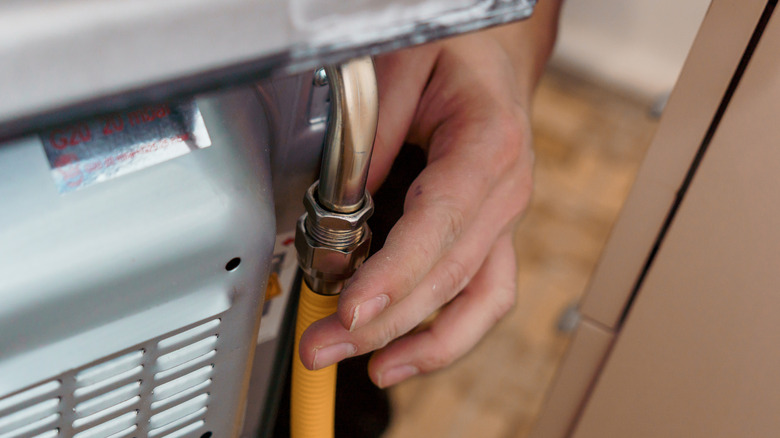
Now that you know which appliances can use gas inside an average home, it's important to understand how to identify them. In most cases, a visual inspection is enough. For example, to tell whether you have an electric or gas dryer, check the electrical and gas connections. Electric dryers usually have a four-prong plug, while gas dryers have a three-prong plug. Also, a gas dryer will always have a gas line connected to it, which is another major identifier. The same approach, inspecting the plug and looking for a gas supply line with a shut-off valve, applies to most home appliances. A few appliances, like patio heaters, may have dedicated cylinders or small tanks to store gas, which again is visually identifiable.
If that doesn't work, you can always check the product's manual to see whether it's electric or gas. Similarly, performing a quick online search using the product's model number will also do the trick.