

4 Disadvantages Of Top-Load Washing Machines
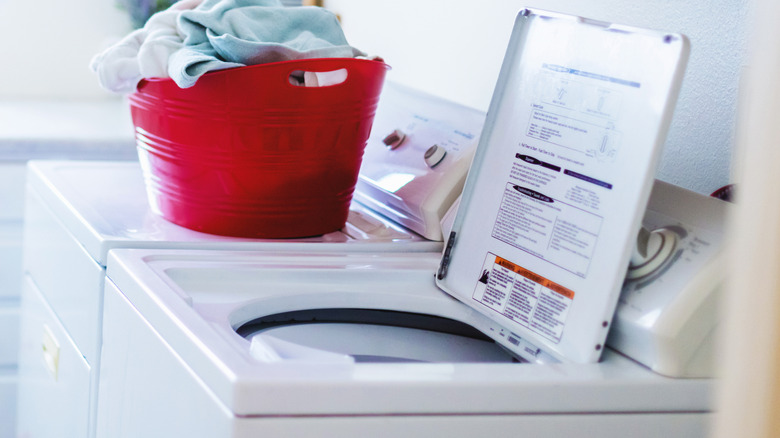
Even if it's not a top-of-the-line, perfect model, having a washing machine is better than not. With that said, if you want to be picky, there are some things to be mindful of before buying one. For one, there are several washing machine models many recommend steering clear of, and there are the pros and cons to different machine types across the board. While it's a common sight, and it'll do the job in getting your clothes clean, there are some drawbacks to a top-load washing machine that potential buyers should be aware of.
Let it be known that there's nothing inherently wrong with using a top-load washing machine. At the end of the day, they're great at getting clothes cleaned up in a timely fashion, and there are top-load options at different price points and from different brands to consider. You have a lot of choice without necessarily losing out on quality or cleaning ability. This is just to say that there are some negatives to them that could be cause for concern to some, pushing them in the direction of a front-load unit instead.
If you're in the market for a new washing machine, you might want to think twice about the top-load style. These are some of their notable problems, regardless of the brand attached to them.
Higher water consumption
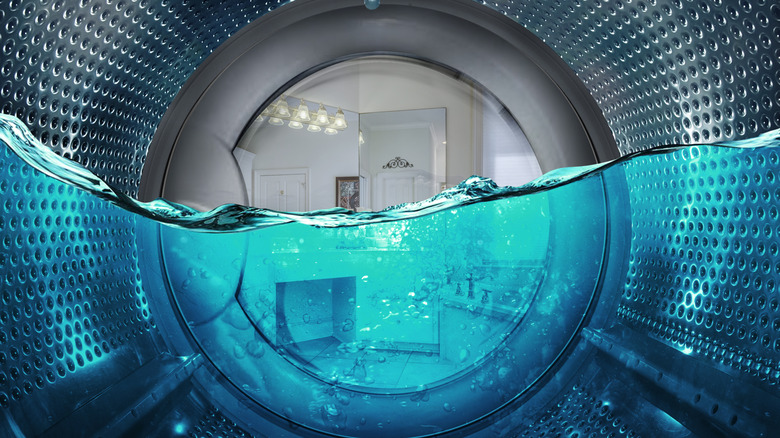
Naturally, a washing machine of any variety is going to use a lot of water. On average, users can expect modern washing machines to use somewhere between 14 and 20 gallons of water per load. The amount of water consumption is dependent on several factors, including load size and machine age, as well as the type of washer in question. As it turns out, the typical top-load washer uses more water per load than a front-load unit, so if keeping down your water use and water bill are top priorities, a top-load washer doesn't seem the best choice.
According to Maytag, users will see different levels of water use between model types. If you have a top-load unit with an agitator — the large pole in the center of the machine – you're likely to use around 19 gallons per load. Meanwhile, those without agitators drop a bit but still remain high at around 13 gallons. LG adds that top-loaders with more low-profile impellers at the bottom of their wash bin can use even more water, between 21 and 26 gallons per wash. By comparison, a front-loader will more than likely use approximately 7 gallons, or reach somewhere into the low teens on the high end.
Higher fabric wear
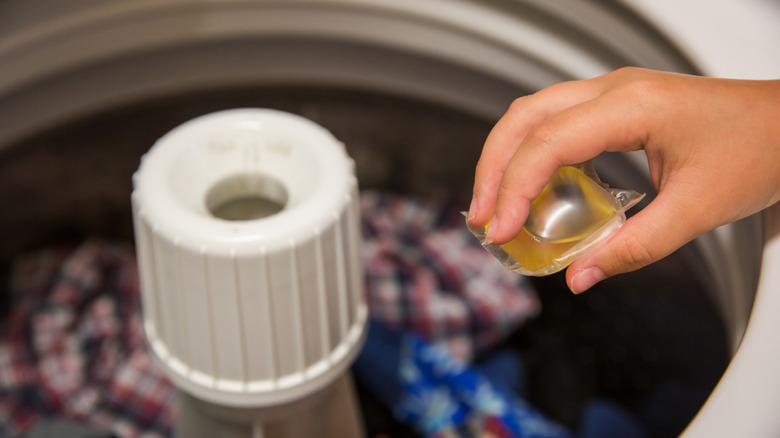
As mentioned previously, many top-load washing machine models feature an agitator in the center. Overall, this element serves a few key purposes during the wash cycle. It keeps clothes relatively separated, attempting a more even wash across the board, and they add a bit of friction against the clothing being washed to scrub out stubborn stains. With all of that said, agitators aren't in every single washing machine model for a reason. Even in models from the best top-loader washer brand on the market, they're imperfect, and their shortcomings can make them major deal-breakers for those debating a top-load washing machine.
First and foremost, top-load washers equipped with agitators can put some serious strain on clothing. As a giant immobile obstacle at the center of the machine, shirts and pants get caught around it while being yanked by the rest of the laundry pile. This can cause premature fabric wear. Their method of cleaning is flawed, too. The agitator's intent of forcing clothes to rub against it to clean them can harm fabric while providing subpar cleaning. On top of all of this, they can be noisier than non-agitator models, especially if laundry becomes concentrated on one side and thumps throughout the wash cycle. Thus, a front-loader is the clear quieter and clothing-safer option.
Loss of stackability
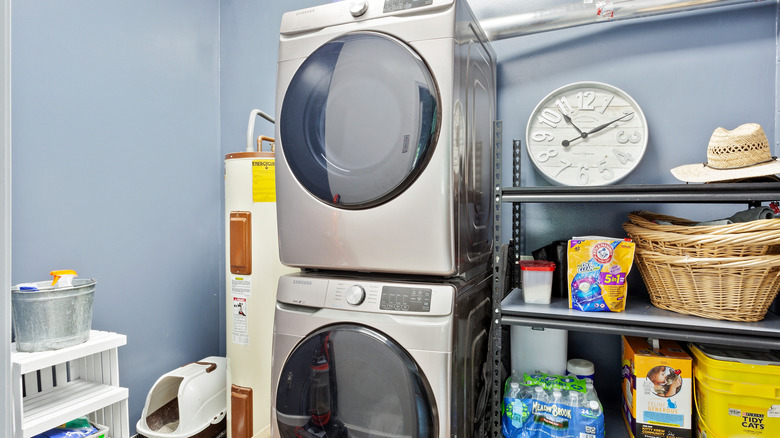
In most home washer and dryer setups, there's more than enough room to stick a washer and dryer next to one another. However, in other living spaces, horizontal wiggle room is limited, leaving you little choice than to seek out vertical options. Naturally, this kind of setup doesn't lend itself well to a top-load washer. As the name spells out, it's loaded from the top, so if you have a dryer placed on top of it, you're not going to be able to fill and empty it. It's not the biggest revelation, but it's worth mentioning all the same.
At the same time this begs the question: Is there a way to stack a top-load washer onto a front-load dryer? In short, this is a bad idea, too. Washers are significantly heavier and they move around a lot more while active, opening the door for damage to both machines. Not to mention, stacking a top-load washer so high would make the top door basically inaccessible, making laundry more of a hassle than it can already seem. If you truly want to do washer and dryer stacking, it's best to buy designated vertical models that won't sustain damage or present danger when piled up and used. Still, stackable washers and dryers have their own downsides to be aware of beforehand.
Lower spin speeds
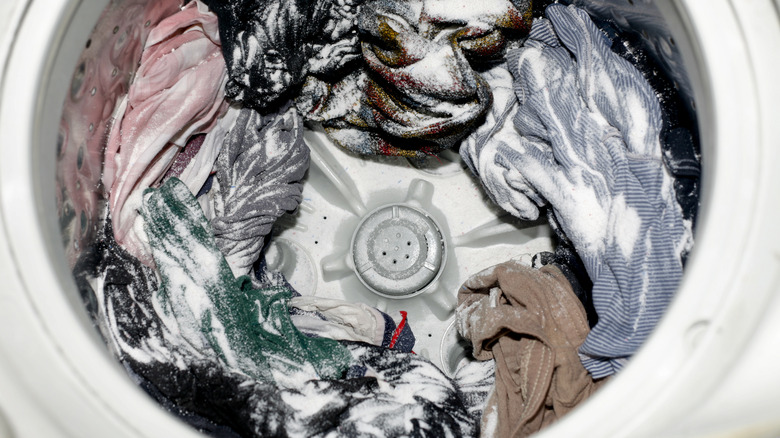
If you're getting a load of laundry started, odds are you want it done quickly. In this case, a top-load washing machine might not quite be what you're looking for. Historically speaking, top-load units are known to have much slower spin rates than their front-load counterparts. Granted, newer high-efficiency-branded top-loaders have increased their spin rate to compete with front-loaders, but if you're looking into older, potentially used models to save a little money on up-front costs, know the spin speed might not be up to more modern standards.
On the whole, this doesn't seem like too big of a deal. So what if a washer spins a little slower? Well, the fact is a slower-spinning washer can push more of its workload onto the dryer. If clothes spin slower at the end of their wash cycle, they disperse less moisture. This leaves more behind for the dryer to take care of. As a consequence, you then face longer drying times and higher energy consumption as the washer's clothes-cleaning companion tries to get its part of laundry day done. This also means more wear and tear on the machine, so your less likely to see your unit reach the average dryer's lifespan, let alone stick around longer.