

Want To Slow Down Rust From Forming On Your Car? This May Be A Solution
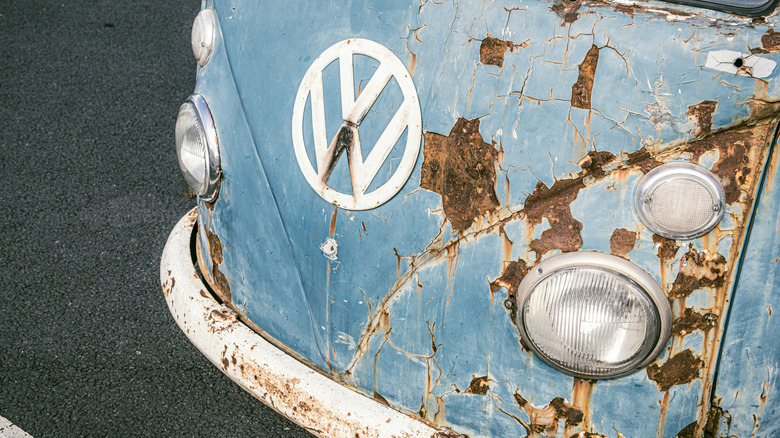
Rust: the eternal bane of every car enthusiast's existence, particularly with classics. Dailying a classic caked with rust is a ticking time bomb for your safety and your car's integrity. Nobody wants their car to rust, and certain drivers have it worse than others. Some of us live in the infamous Rust Belt — places like Michigan, Ohio, and so on. Even if you're not in a core Rust Belt state, fierce winters and salted roads are more likely to rust your vehicle. So, how do you deal with that?
There's unfortunately no straightforward answer, since a lot of information is anecdotal. Companies also love promoting an array of products, ranging from car wash facilities to full-blown bed liners.
One way to help prevent rust is to keep your car in a heated, climate-controlled garage, but that's not always an option. Unless you're storing your car, you'll be parking it outside at work, driving it on the highway, running errands, whatever. All of that involves exposing your car to agents that create rust, especially on its underside.
You ultimately have to prevent those agents from getting attached to your car in the first place. One strategy is to put up a barrier that covers key components, especially vulnerable parts like frame joints, running gear parts, structural elements, etc. You primarily need a power washer, some rust inhibitor, and knowledge of which areas to target. You'll also benefit from protecting healthy paint with wax or ceramic coating.
How rust forms on your car
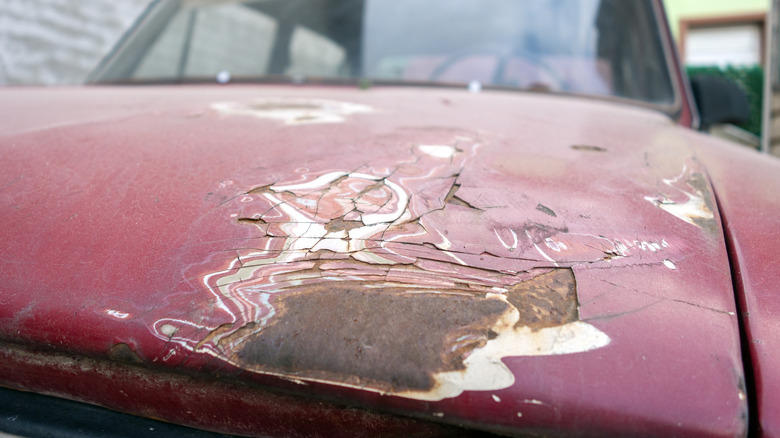
Before we learn how to prevent rust, it's important to understand how and why cars rust in the first place. That'll better inform us as to where to apply inhibitors, what those inhibitors are designed to do, and how to keep everything maintained.
First question: What is rust? Welcome back to high school chemistry. Bare steel oxidizes in the presence of humidity. Over time, the steel begins to degrade and discolor, eventually turning into that infamous red stain you may see in areas like your quarter panels. The first signs of rust vary from car to car, with your environment and vehicle materials playing significant roles.
Some cars get paint chips, exposing the bare steel underneath, which then rusts. Others have a lot of road debris, like dirt and grime, which accumulate against the fenders and such, eventually eroding them with rust. You know this look when wheel well edges are jagged from the metal eaten away. Rust can even drip down from a moisture-trapping landau roof, a car feature largely considered a horrible mistake for that very reason.
There are also many different levels of rust. Generally, it begins as surface rust, which is to be expected of anything with decent mileage. That's a lot easier to take care of than rust that's propagated to the point where your paint is bubbling and peeling, or whole chunks of the car are falling off. Common rust areas that can benefit from the prevention strategy below are the underbody, frame rails, rocker panels, running gear components like suspension and brakes, and wheel wells.
What to do to prevent rust
It's hard to stop a chemical reaction that occurs from just the air having moisture in it. Everything will eventually rust on a long enough timeline, so the best thing you can do to maintain a rust-free car is to put a physical barrier between the vulnerable parts and the air.
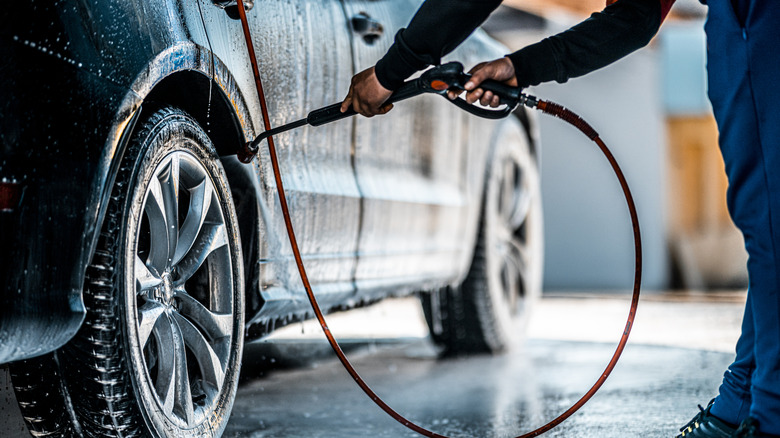
The first step here is to wash the car's underbody, preferably with a power washer, to get all the gunk off. An undercarriage water broom, angled wand, or flexible wand will help you with hard-to-reach areas. The point is to remove anything that has corrosive chemicals in it, like road salt and slush, especially in winter. Let the undercarriage dry completely.
Apply a rust inhibitor coating across the underside when it's clean and dry. Pay close attention to vulnerable areas like fenders, the insides of your bumpers, rocker panels, control arms, coil and leaf springs, and strut towers. Other key areas include chassis and frame rails, brake and fuel lines, floor pans, and exhaust hangers. Likewise, check parts like control arms and bushings for damage; it's obvious that rusty suspension parts aren't exactly good for your car's health. Reapply once every one to three years, depending on where you live and how often you drive, in addition to regularly washing your car.
Protect healthy paint from rust by applying a wax or ceramic coating to the whole body. Your car will have a lot of micro-scratches and imperfections as a natural consequence of driving, so sealing those is important. Again, this practice only prevents rust on healthy paint. While the environment dictates how often you should reapply traditional wax, you can generally get good results by completing this task every three to four months. Ceramic coatings last much longer, typically two to five years.