

5 Luxury Watches True Enthusiasts Say Aren't Worth It

Luxury watches occupy a strange space in the consumer landscape. Often lusted after by watch geeks of all stripes, they can be divisive and, for some, a big flex. Part precision instrument, part status symbol, part speculative asset, many rarely see the light of day as they languish in drawers. What's not debated, though, is that established brands — like Patek Philippe and Cartier — have undeniable brand recognition and market dominance. Like any other luxury consumer good, these timepieces may be dismissed by online pundits and watch influencers as simply paying for a name. But spend enough time around collectors, and you'll hear the same narratives repeated: brand heritage, craftsmanship, investment potential. And while there's some truth to this, the reality can be far less romantic when buyer's remorse sets in.
Like any niche hobby, there will always be myths and grails that persist. Collecting extravagant timepieces that cost thousands of dollars, unlike the best smartwatches on the market, can also involve gatekeeping. But it seems the luxury-watch cognoscenti occasionally offer hot takes on whether they were acquired regretfully. For every grail watch that holds its value or sparks joy, there are just as many that fall short, destined to collect dust in a jewelry box. Some luxury watches simply don't live up to the expectations of horophiles— whether that's due to inflated pricing, poor finishing, uninspired off-the-shelf movements, straight-up ugly silhouettes, or the kind of hype that looks better on a phone screen than on a wrist.
TAG Heuer Formula 1
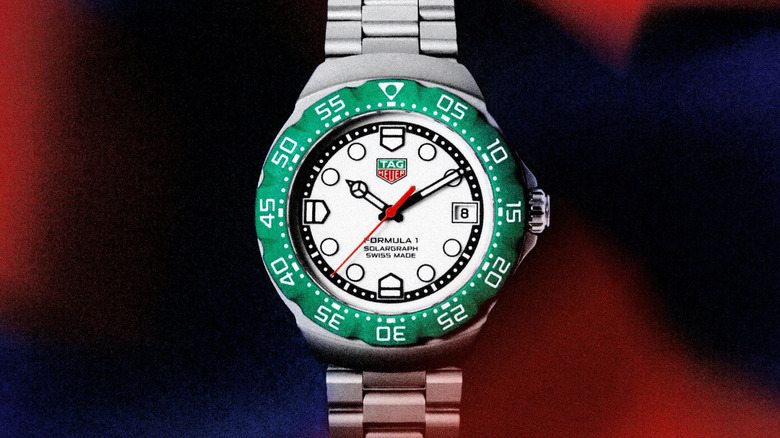
Tag Heuer is a large Swiss brand that lacks the swagger of Rolex or Patek and is, at times, divisive among enthusiasts. Highly opinionated watch snobs love to throw Tag under the bus— its F1 line is no exception. If you're not familiar with Tag, it has a strong motorsport history — hence the Formula 1 series — worn by racing teams of yesteryear and elites. Having been around for over 150 years, the company now finds itself rehashing the '80s nostalgia of its glory days. Though not an exact reissue of the original 1986 watch, the Formula 1 Solargraph, with an in-house Solar Quartz movement and a 38mm case, is the newest addition to a rather jam-packed F1 collection, totaling 54 pieces.
But unless you're a Tag collector and completionist, shelling out over two grand for any watch with a quartz movement will raise eyebrows. The F1 should really have an automatic movement, considering that a decidedly non-luxury-positioned Khaki comes with one for under a grand. What's more, these F1 watches fetched only a couple of hundred bucks in the 80s, and even adjusted for inflation, that's still much less than their $2,050.00 price today. If you sniff around Reddit or read Teddy Baldassarre's in-depth review, you'll see plenty of enthusiast pushback on the F1's market positioning. Repackaging 80s nostalgia is best left to movie sequels, but if you're going to do so with a luxury proposition, it had better deliver. The Tag F1 value proposition falls flat here.
Hublot Classic Fusion
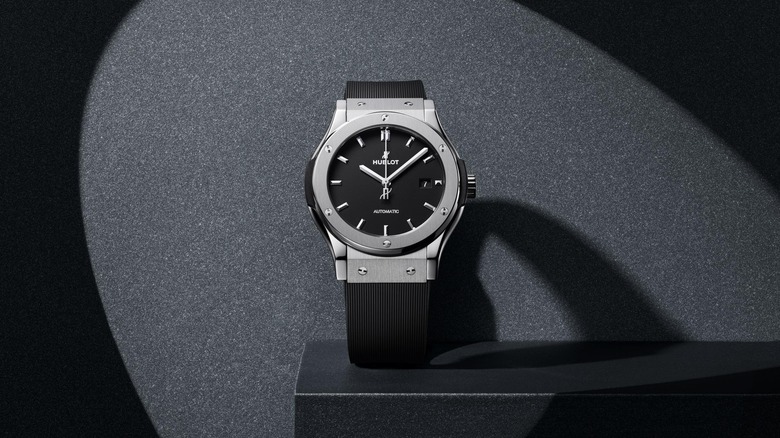
Even among the most renowned luxury watch brands around, Hublot flies somewhat under the radar. It could be considered a divisive brand in the luxury sector, known for eye-catching, unique designs, paired with hefty price tags. The brand is also one of the younger ones on our list, only coming online in 1980. Despite not having hundreds of years of heritage to draw from, it produces some pretty compelling gear, ranging from understated sports watches like the three-hand Classic Fusion seen here, to "blinged out" chunky celebrity-adored pieces. If you see someone in the wild wearing any Hublot, they often elicit double takes from watch geeks and laymen alike.
The Classic Fusion's clean, minimalist aesthetic is no less worthy of discussion. If you look around on the r/Watches subreddit or enthusiast forums like WatchUSeek, you'll find critical feedback for this piece. One glaring point that unites many online watch pundits is a lack of value for the money, and the rubber strap. The line has dozens of configurations, with prices ranging from around $6,000 to over thirty grand. This, combined with a not-so-exciting Sellita-based movement, leads some to consider cheaper aftermarket options for these pieces.
With an off-the-shelf movement, which saves the company from having to develop a proprietary movement of its own, Hublot could — ostensibly — sell the Classic Fusion for cheaper, but chooses not to. The watch isn't objectively bad per se, but the lack of originality in the movement and an upwards-of-five-figure price tag turn many enthusiasts off.
Panerai Luminor Due
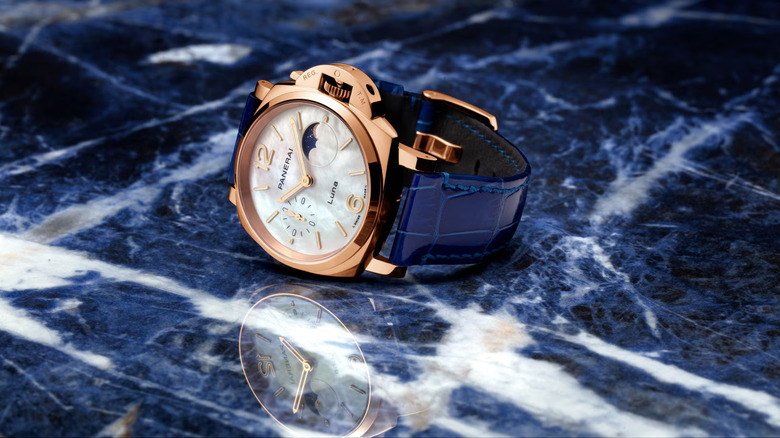
Panerai is an Italian brand, standing out amongst a gang of Swiss-dominated watchmakers as a luxury-positioned company. With a start in Florence dating back to 1860, Panerai would go on to supply the Italian Navy with timepieces, developing waterproof watches that likely saw duty on the Scirè submarine in WWII. This added to the brand's lore, which in turn informs the design language of the modern-day Luminor Due, seen here.
With tons of heritage to lean on, Panerai can rightfully claim a spot among esteemed luxury firms, but not every release is a knockout. With the Luminor Due, many enthusiasts levy criticism at the watch's value proposition. The piece slims down the traditionally blocky, wrist-bruising case into a sleek, cushion-style dress profile. But by trying to attract an office-dwelling crowd, Panerai seems to have gutted the soul of the watch.
While the original Luminors were built to survive the depths of the Mediterranean with navy service, some of the newer versions boast a laughable 30-meter water-resistance rating. To put that in perspective, a basic $25 Casio from Amazon can handle more water pressure. Paying four figures for a watch that seems so fragile is where many watch geeks question the Luminor Due. For $7,000, there are many more capable options on the market; here you're paying a premium for a watch that, on paper, falls short of tough Navy specs. If you value utility over branding, Panerai's Luminor Due feels like a luxury piece that simply isn't worth the investment.
Cartier Santos de Cartier Medium
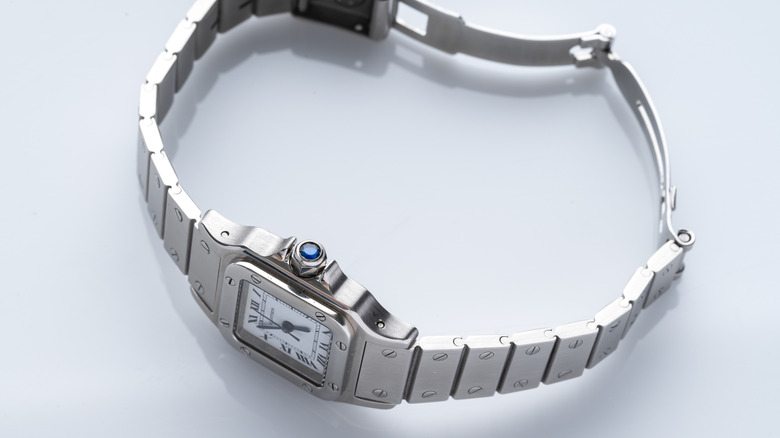
Seeing a Cartier watch ad on a bus stop is almost laughable to most bystanders, given the cost of slapping one on your wrist. But the brand makes luxury timepieces for elites to buy and for everyone else to lust after. The Santos de Cartier Medium timepiece is no different, setting you back a cool $8,400 before tax. The French brand has almost 200 years of history behind its name, and yet its watches aren't always slam dunks. You'd certainly think its iconic timepieces would be resistant to scratches. Sadly, some owners on Reddit have reported that the Santos Medium can be scratched easily, as its polished bezel doesn't seem very tough.
Then there's the bracelet. Cartier is known for its toolless "SmartLink" system, which sounds great on paper, but the designers made a baffling omission: no micro-adjustments and no half-links are available on the band. So if your wrist happens to fall between link sizes, you'll be out of luck—it's either going to squeeze your wrist or slide around your arm like a loose bangle.
Then there's the movement. Under the hood lies the Cartier Caliber 1847 MC. For over eight grand, you'd expect a highly sophisticated mechanism. Instead, owners on the r/Cartier subreddit have complained about this piece's accuracy, loud mechanical noises, and crown engagement issues. It's a stunning piece of iconic jewelry, sure, but the Santos Medium doesn't really justify its steep retail price and could trigger regret.
Patek Philippe Cubitus
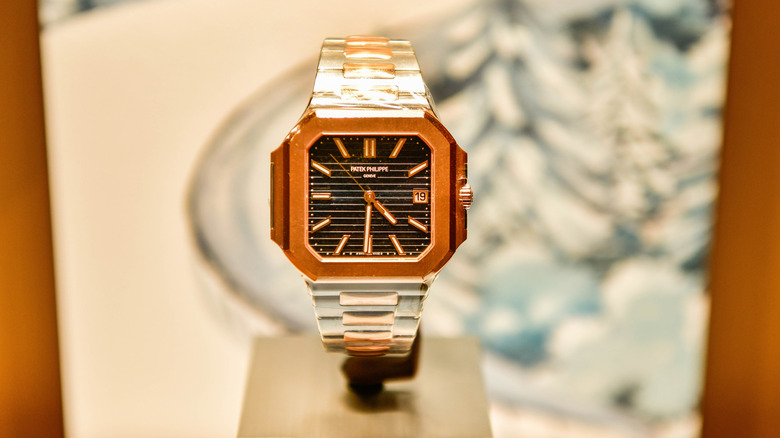
When Patek Philippe — the esteemed luxury brand, founded in 1839 — announced its first new collection to watch fans in 25 years, some enthusiasts expected horological fireworks. The brand is often known for causing a stir, as some of its classic timepieces are among the most expensive watches sold, after all. But instead, here we have the Cubitus: a bloated, squared-off riff on the Nautilus that feels less like groundbreaking design and more like a rushed drop.
These watches retail for around $45,000, but can sell for upwards of $200,000 in private sales and auctions. Whether you can afford one or not, even watch influencers like Teddy Baldasarre have reservations, stating in a 2024 review upon its release that the piece "almost feels like an April Fool's joke." Ouch.
Channeling the brand's deco heritage with a square case, this piece is available in rose gold, white gold, plain steel, rose gold and steel, and top-of-the-line platinum (with additional complications). It features a brushed and polished case and bracelet, a horizontally embossed dial with day, and upgraded grand date and moon-phase complications on the platinum version. However, the aesthetic caused some internet whiplash, with some Redditors citing an overall unappealing design that borrows too heavily from the Nautilus rather than innovating with a fresh look. What's more, some enthusiasts argue that there's no significant update to the movement to justify the price tag, allegedly because the company is cutting corners. Either way, the Cubitus feels truly uninspired for such a prestigious watch brand.