

How Often You Should Clean Your Air Ducts - And What Happens If You Delay
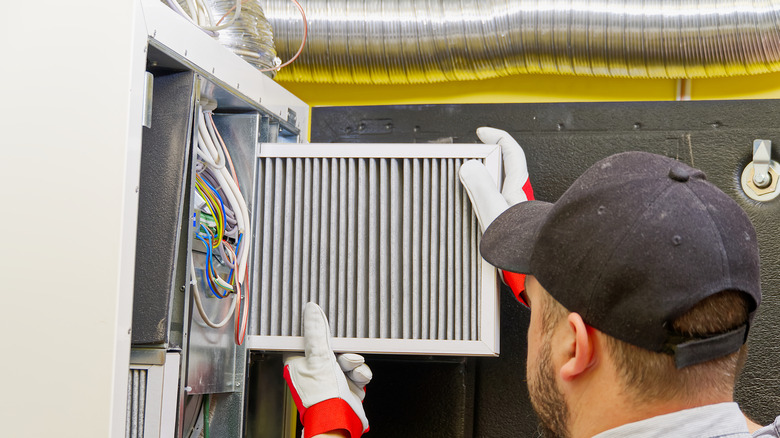
As the air ducts in your home do their business of circulating cooled and heated air, they naturally accumulate a large quantity of dust and assorted small particulates. After all, whenever the AC isn't running, the interiors of your ducts sit untouched, their metallic surfaces gradually accumulating more and more crud. This is why it's important to keep them maintained, starting with changing the filter on a strict schedule. The Environmental Protection Agency says air ducts should be cleaned as needed and doesn't recommend a specific schedule, while some experts recommend getting them professionally cleaned every three to five years.
It's understandably very easy to forget about the interior of your air ducts, as their arguable purpose is to quietly circulate air without attracting direct attention. However, if you neglect to have them properly cleaned and cared for, the air that circulates through your home could see a noticeable drop in quality, whether due to dust, mold, or hidden pests. Not only that, but these clogging elements may force your HVAC system to work harder just to do the bare minimum, gradually driving up your recurring energy costs and potentially harming it in the long run.
Experts recommend professional cleaning every three to five years
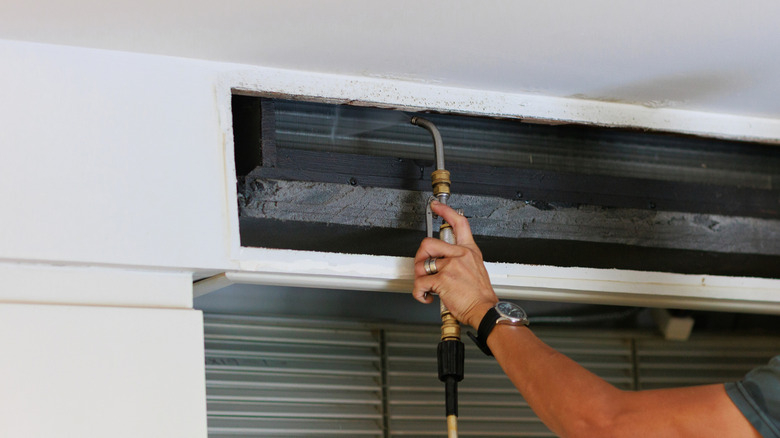
Before we start talking about full-scale air duct cleaning, the first order of business is remembering the filter cycle. Most consumer-grade HVAC systems have a swappable, disposable filter located in front of one of the primary fans. The filter helps to trap a large portion of incoming dust and debris, but it needs to be regularly replaced to keep doing its job. The precise rate at which you should replace your filters varies depending on the filter brand and the make of your HVAC system, but generally, it should be swapped every three months or so. However, you may need to change it more frequently if you're running the AC all the time or your home has more air-clogging elements like pets or burning candles.
Unfortunately, even a pristine filter can't catch every bit of dust and debris that slips into your air ducts. This is why you may still need to request a full-scale cleaning of your air ducts by a qualified professional. The exact cycle depends on the manufacturer's advice, but generally, experts recommend getting a full-scale cleaning once every three to five years, with the need becoming more pressing if your HVAC system is exhibiting unusual issues like odd smells or slow cooling and heating. The EPA also recommends cleaning ducts when there is substantial visible mold, a pest infestation, or excessive dust and debris. Getting a professional cleaning not only helps to maintain your ducts' condition, but it can also help to catch minor issues before they become major problems.
Dirty ducts can affect air quality and energy costs
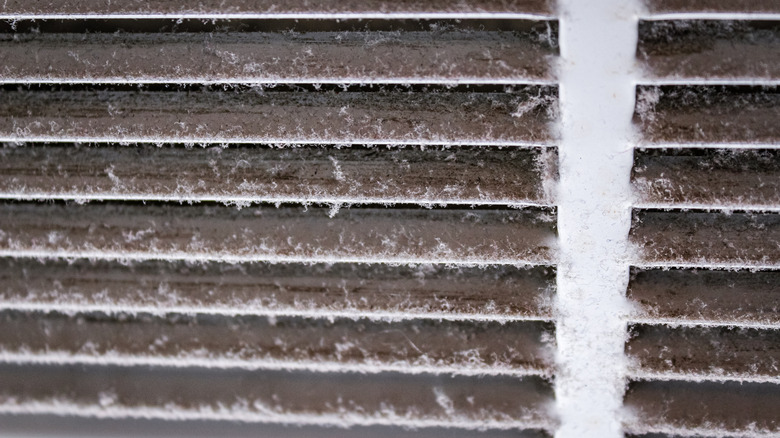
While nobody would blame you for leaving your air ducts to do their job for an extended period, the fact of the matter is that neglecting filter changes and ignoring signs that the ducts need cleaning can have unpleasant knock-on effects on not just the quality of air circulating through your home, but the energy cost you incur by running the HVAC system.
The primary culprit behind a dirty air duct is, of course, dust, as it is with just about every other cramped space in your home. However, a dust-filled duct is especially problematic if particles start blowing from the vents into your living space, which can set off allergies and make breathing uncomfortable. Ducts are also a magnet for pests like rats and insects seeking refuge from outside, which means the ducts can fill up with droppings and dead bugs if left uncleaned for long stretches. The most pressing potential concern is mold, which can form in ducts during humid seasons or in damp climates. The presence of mold, depending on its severity, could turn poor air quality into a genuine health concern requiring professional intervention.
Even putting matters of hygiene aside, dirty ducts can contribute to higher energy costs. If your ducts are choked with dust, it becomes more difficult for your HVAC system to properly circulate hot or cold air, forcing it to work harder than it normally would. With the system in overdrive, you may incur higher recurring energy costs, even if your usage of the AC or heater hasn't changed.