

Why Some People Are Ditching Windows Laptops For MacBooks

Rivalry between Windows PCs and Mac computers has existed for as long as the platforms have been around. There are certain workflows that demand one operating system over the other. For instance, Windows has, for years, been the recommended choice for gamers — and it still somewhat is, primarily thanks to compatibility. That said, Mac computers have been enjoying an increase in adoption rate recently, especially among those who are tech-savvy. Apple's switch to using its in-house M-series silicon is likely a huge contributor to this.
The M1 MacBook Air that was unveiled in 2020 set a new benchmark for how efficiently laptops should be performing. Every year since then, Mac computers have been seeing steady improvements in performance, while offering all-day battery life. Although a decent selection of Windows laptops have also switched to using ARM-based SoCs that bring major improvements to efficiency, the way Apple handled the transition was far more graceful. Currently, if you're shopping for a thin, minimalist laptop that can handle heavy workflows off the charger, it's easier to recommend a MacBook.
Beyond the gains in performance and battery life, there are a couple of other reasons why people have been migrating over to Mac. Users on Reddit often point to macOS being a more stable operating system or how certain apps like Final Cut Pro are exclusive to Macs. Others simply prefer how well-built all of Apple's computers are.
Macs are surprisingly competitive on price
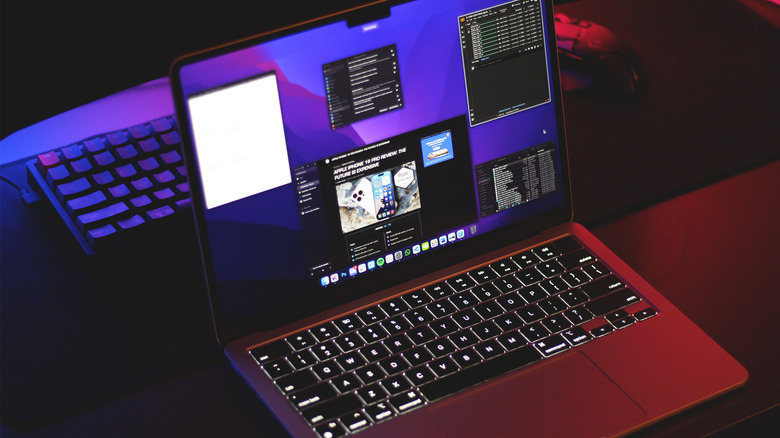
It's easier to associate Apple's products with premium price tags, given how even the cheapest current-gen iPhone you can buy costs $600, while offering a 60Hz display and a single camera. The MacBook Air, which now starts at $1,300, also sits firmly in the premium ultrabooks category. However, for the kind of performance, build quality, and battery life that it offers, it's actually priced more competitively than you might realize.
Some solid MacBook Air alternatives include the Surface Laptop by Microsoft and the Dell XPS 14 — both of which are priced higher if you're eyeing models with similar horsepower and RAM configurations. In fact, the Snapdragon X2 Plus that powers the latest Surface Laptop is noticeably weaker in comparison to the M5 chip inside the MacBook Air.
The gap in value gets even wider once you move into the Pro lineup. The MacBook Pro and Mac Studio computers are designed for professionals who require high-octane machines that can handle demanding workflows. While Windows laptops with dedicated GPUs can match, and in many cases, exceed, the raw performance of MacBooks, you'll likely end up paying a similar price — and Apple's option will likely still have the better build quality, display, and webcam.
The launch of the affordable MacBook Neo also dented Windows' dominance in the budget segment. It even marked the "best launch week ever for first-time Mac customers," according to a post from Apple CEO Tim Cook on X.
Windows continues to deliver a lackluster experience
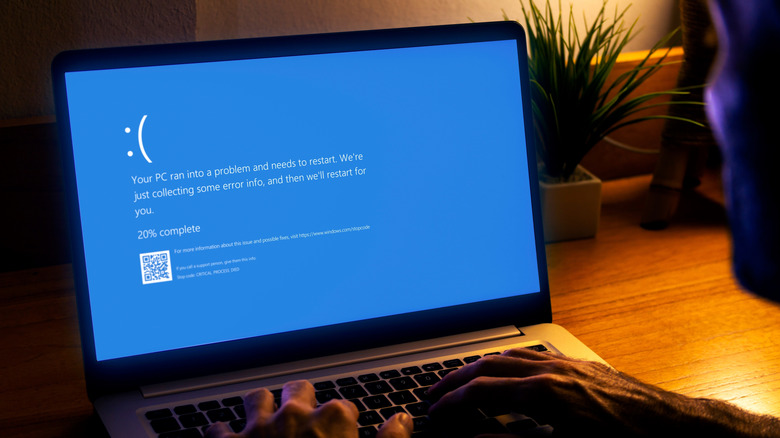
Besides enjoying better hardware, MacBooks also benefit from the clean software experience that comes with macOS. It's mostly devoid of major bugs, has an expansive selection of third-party apps and tools, and offers software updates that are typically received well by its users. Windows, on the other hand, has had a much rockier reputation in recent years. A common complaint most Windows users have about the operating system is the fact that it's littered with advertisements — even on expensive machines.
Ads on Windows show up in the form of suggestions on the lock screen, recommended apps in the Start Menu, and constant OneDrive or Microsoft 365 prompts asking you to subscribe or back up your files. Many laptop manufacturers degrade the experience even further by packaging in their own apps. Once the free trial of that McAfee subscription expires, you'll likely find yourself dismissing a pop-up every time you boot your laptop.
Then there are those Windows updates that seemingly have a knack for showing up at the worst of times. Making matters worse, the recent few Windows updates have been criticized for causing performance issues and introducing new bugs — so much so that a growing number of gaming enthusiasts have started pivoting to Linux as a viable alternative. Gaming on a MacBook has also come a long way, with many AAA titles now launching natively on macOS.