

How Tight Should A Chainsaw Chain Be? Try These Tests Before You Cut
We may receive a commission on purchases made from links.
Chainsaws hold one of the worst track records for injuries among power tools. In addition to wearing the proper safety gear while operating a chainsaw, keeping the chain properly tensioned can help lessen your chances of injury.
While you should consult the manual that came with your chainsaw for specifics, there are tests you should perform before you start cutting to ensure your chainsaw chain slack is properly adjusted. In addition to lowering the chances of getting hurt when the chain comes off the bar, keeping the chain tightened within specification helps the chainsaw cut more efficiently, and reduces wear on the chain and other components.
Generally, a chain saw's chain should be tight enough to prevent sagging away from the guide bar, but still allow the user to pull it away from the bar with finger tip pressure. Adjusting the saw chain tension usually takes a couple of common hand tools, like a screwdriver and a socket wrench, but some chainsaws include a scrench that combines the tools needed into one convenient combo. If your chainsaw didn't come with a scrench, or you lost the original, you can always pick one up through Amazon for just a few bucks.
Testing saw chain tension
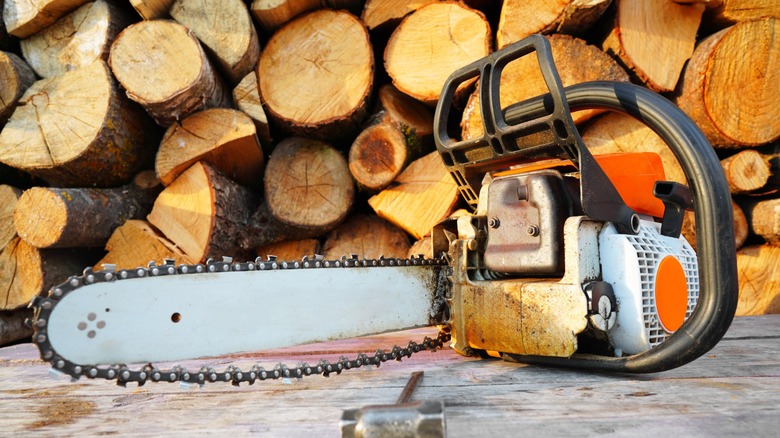
The first test to quickly verify proper chainsaw chain tension is a visual inspection. If the saw chain is sagging away from the bottom of the guide bar, it's too loose and requires adjustment or replacement with a new chain.
If the chain appears snug, the next test is to pull the chain away from the guide bar with gloved fingers. With a firm pull, the saw chain should lift away from the bar exposing the chain's drive links that ride within the guide bar, but not so far to allow the drive link tips to clear the bar completely.
The final test involves rotating the saw chain around the guide bar. For safety, pull the spark plug wire from the spark plug before doing this. With a gloved hand, pull the chain along the top of the guide bar from the powerhead toward the bar's nose. With the break disengaged it should rotate around smoothly when given a firm pull. Any tight spots could indicate binding of the links, requiring additional maintenance or a new saw chain.
Even a properly tensioned saw chain will eventually stretch, requiring adjustment. Performing preventive chainsaw maintenance is the key to getting the most life from your chainsaw bar and the rest of the saw.
Tips for maintaining a saw chain and proper tension
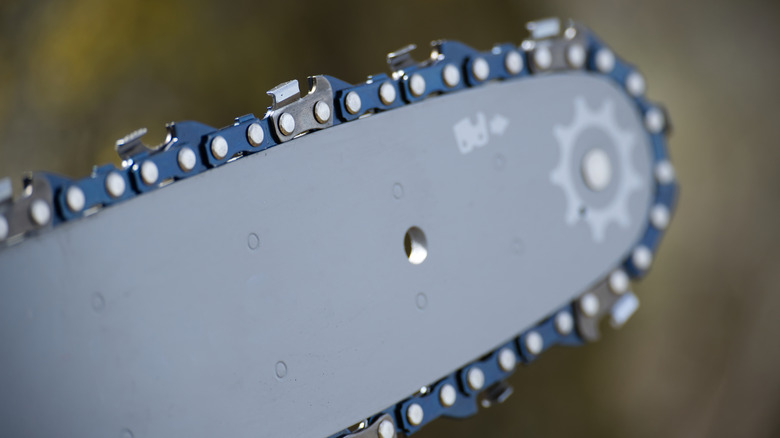
Properly cleaning the chainsaw chain, along with keeping the cutting edges sharp, helps the chain and guide bar last longer. A properly sharpened saw chain also lessens operator fatigue, the chances of kickback, and provides smoother cuts. If you don't know how to sharpen a chainsaw, or don't want to take the time to do so in the field, it's a good idea to have a few sharp saw chains on hand before starting your wood cutting project. Simply swap to a sharp saw chain when one gets dull and have the dull chains sharpened at a more convenient time.
It doesn't matter what type of wood (or other materials) the saw is cutting, although harder materials can wear cutting edges and stretch saw chains quicker than soft woods. That's why it's necessary to check your saw chain tension periodically and readjust it as needed. However, you'll want to make sure the saw chain isn't overheated when making the adjustment.
There are more tips to prolong the life of your saw chain. Tips like keeping the saw chain away from dirt and rocks, as well as avoiding getting the saw pinched in a cut, are important lessons for the beginning sawyer. Topping off the bar oil reservoir is a primary maintenance task for chainsaws with automatic bar oilers, but ensuring that bar oil is actually being applied to the bar and chain often goes overlooked. Having a properly lubricated saw chain is critical whether your saw is manually or automatically oiled.