

These Are The Only New Cars In The US Recommended To Use 89 Octane
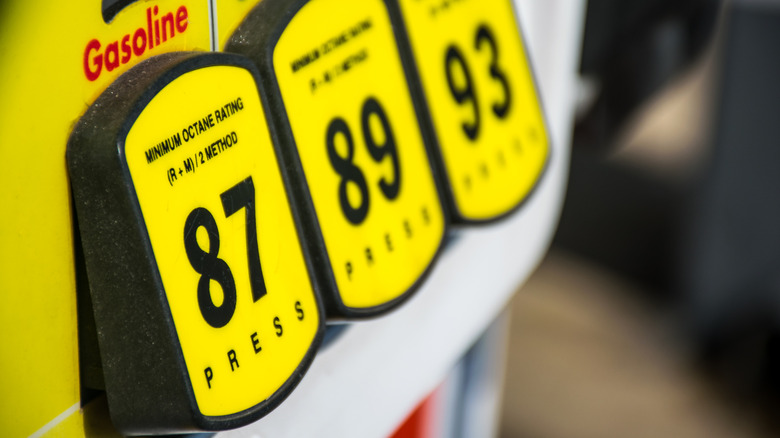
If you regularly fill up at a gas station in the U.S., you are probably familiar with the various grades of gasoline available for purchase: regular 87 octane, mid-grade 89 octane, and premium 91 or 93 octane. While most people stick to regular 87-octane fuel, owners of high-performance vehicles typically opt for premium 91-octane or 93-octane gasoline. You may, then, wonder who fills up with 89-octane fuel.
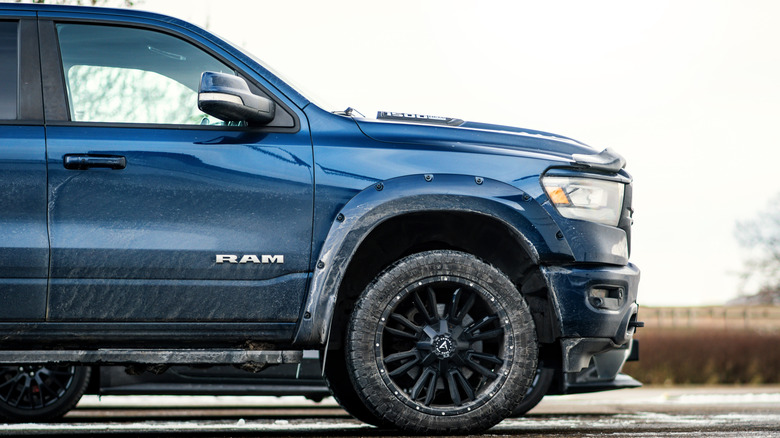
Historically, very few vehicles have required 89 octane, a fact that's true to this day. According to the EPA database, only a handful of new vehicles sold between the 2024 and 2026 model years specifically require mid-grade gasoline. These are vehicles from Stellantis subsidiaries, namely Dodge and Ram, and all are powered by the company's long-running 5.7-liter Hemi V8 engine.
As of 2026, the Stellantis vehicles available with this engine are the Ram 1500 and Dodge Durango, making these the only new vehicles that require 89-octane gasoline. Outside of these models, virtually every other new vehicle sold in the U.S. is designed to run on either regular 87-octane or premium 91-plus octane fuel.
Usage of 89-octane gasoline is on the decline
Aside from the aforementioned new cars, drivers of older 5.7 HEMI cars like the discontinued Chrysler 300, Dodge Challenger, Dodge Charger, and Jeep Wagoneer continue to use mid-grade gasoline. Predictably, then, 89 octane accounts for a tiny percentage of overall gas use. A 2022 study conducted by the U.S. Department of Energy showed that consumption of 89 octane gasoline has been steadily decreasing over the years, with only around 1% of gasoline users in the U.S. still using 89 octane fuel as of 2021, and it's probably shrunk since then.
While only a few cars need mid-grade gas, some may opt for it thinking it is better than regular fuel. They do this on the mistaken assumption that the more expensive the fuel, the better it is for their cars. This, however, is not true at all. There is no significant improvement in horsepower, fuel economy, or emissions when higher-octane fuel is used in vehicles designed for regular gasoline.
As to why fuel stations continue to offer 89 octane fuel despite low demand, it's possibly because it doesn't require dedicated hardware. Gas stations only really store regular and premium gas; when a customer chooses 89 octane, the dispenser simply blends a metered amount of regular and premium gas to create mid-grade gasoline on the fly. So, the next time you are at a gas station wondering whether or not to choose 89 octane gas, do it only if your car manufacturer explicitly recommends using it.