

3 Beloved Cars That Overcame Disastrous Launches
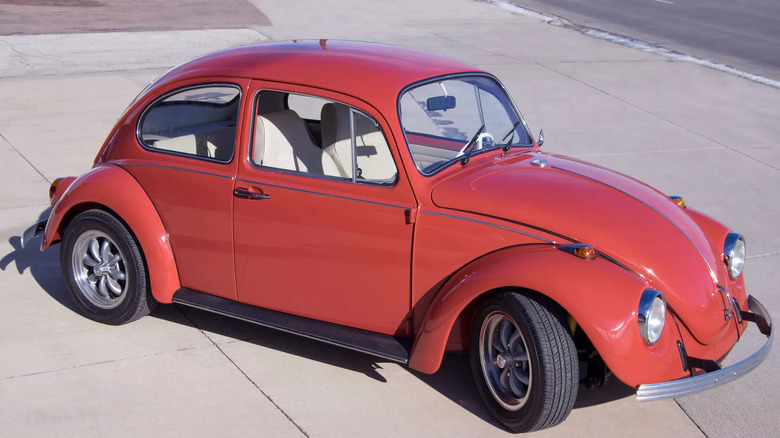
First impressions last; however, there are rare instances in our lives where we get an opportunity for a redo. The same holds true in the motor industry, as many now-beloved cars didn't launch to instant success. These vehicles are currently viewed through an entirely different lens and appreciated for what they are, but back in the day, their debuts were nothing short of disasters.
What could the reasons be? It depends. Sometimes, a launch happens too rapidly and a vehicle comes out without much fanfare and little market demand. Then, there's the issue of timing, which is a notoriously difficult variable to predict and control. And of course, we also can't ignore how certain business decisions — both good and bad — can influence a car's reception.
From a German automotive icon and an American sports classic to a dream set of wheels made famous by a movie, let's look at the disastrous launches of three beloved cars and how they gained popularity later on. If anything, these vehicles stand as proof that setbacks are temporary, but class is forever.
Volkswagen Beetle
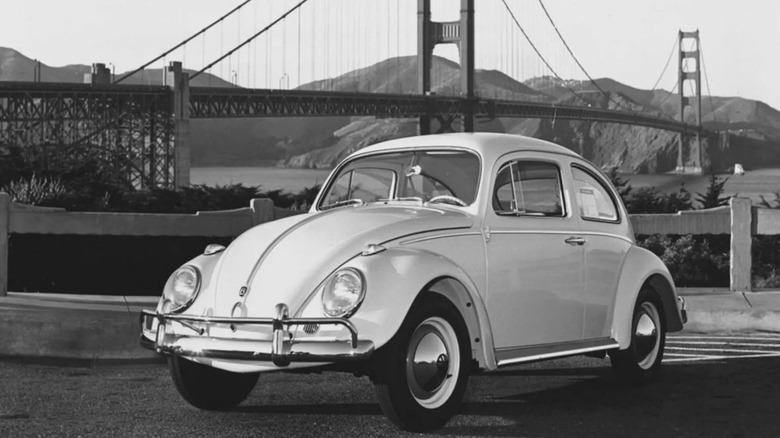
The classic Volkswagen Beetle is still worth buying today. It's an instantly recognizable automotive icon that kept on moving and created an enduring legacy that few other cars can match. However, the Bug — then known as the VW Type 1 — didn't flutter over from Europe to North America and experience immediate success in 1949.
Having been appointed an importer by Volkswagen, Ben Pon Sr. brought a single Type 1 to the U.S. The enthusiasm wasn't there for it, though, further compounded by anti-German sentiment and the Volkswagen company's personal and business ties to Adolf Hitler. According to MotorTrend, Pon didn't even take the car back with him to the Netherlands. Instead, it was used in a trade deal to settle Pon's hotel expenses.
The Bug refused to be squashed, and its fortunes changed a year later after importer extraordinaire Max Hoffman secured the exclusive rights to distribute the car in parts of the U.S. The demand for the Type 1 soared over the next decade — skyrocketing from a little over 42,000 vehicles sold in 1956 to 300,000 in 1960. From there on, the Beetle's popularity only continued to grow as it firmly established itself as a bona fide automotive icon.
Chevrolet Corvette
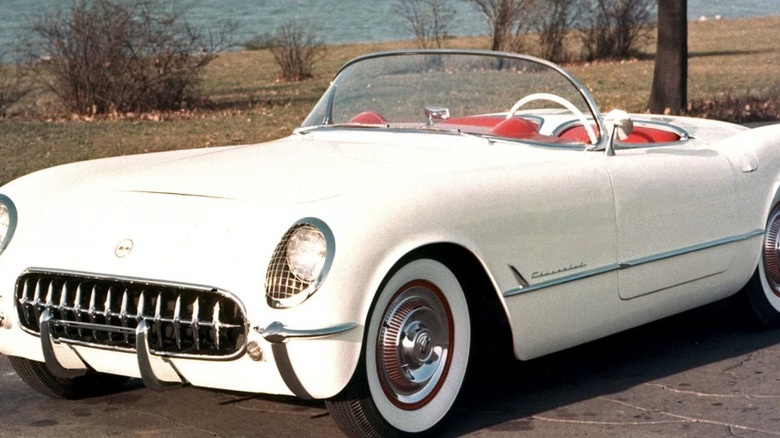
There's no disputing that Chevrolet Corvettes are some of the best-looking cars in the world. The original 1953 version, known as the C1, remains so sizzling-hot that you could cook a steak on the bonnet. The public agreed, as the unveiling of the concept car — designed by Harley J. Earl — had tongues wagging at General Motors' Motorama show in January of that year. The appetite for it appeared to be there, but as is often the case, desire and demand don't often go hand-in-hand.
GM produced 300 Corvettes in 1953, likely expecting to sell out, but the manufacturer only managed to sell 183. Undeterred by the low numbers, GM pushed ahead with mass production in 1954; Yet this wasn't a smash-hit by any means either, as only 3,640 Corvettes were sold.
But the road to success is paved with patience and determination. GM refused to pull the plug on the Corvette, adding the V8 engine in 1955 and tweaking the style of the vehicle. It would take a few years for the Corvette to actually become one of the most beloved American sports car and a pop culture sensation, but GM's perseverance and hard work paid off in the end, and created an all-time classic.
DMC DeLorean
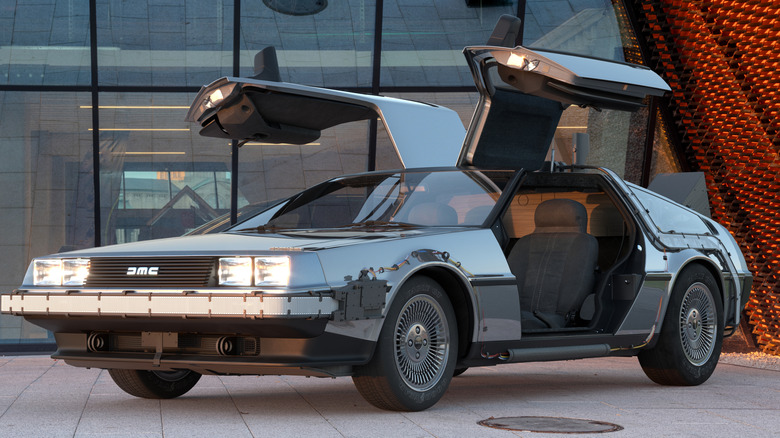
Those who grew up in the '80s had many cars to ogle over. However, the DMC DeLorean has a special place in many hearts because of its connection to the "Back to the Future" film franchise, where a modified DeLorean is used by Marty McFly and Doc Brown to travel across the timeline.
Manufactured by the DeLorean Motor Company (DMC), the DeLorean initially caught the eye of the public due its futuristic design and attempt to merge the best of all worlds. The reality, though, was that performance concerns and the ongoing recession impacted the car's launch in the U.S. in 1981. The numbers weren't great to begin with, but what did DMC do? It ramped up production. Unfortunately, this proved to be a fatal decision, as evidenced by the events of 1982. First, the company's founder, John Z. DeLorean, found himself in legal hot water. Then, DMC was forced to file for bankruptcy in October 1982. All in all, roughly 9,000 DeLoreans had been made.
While the DeLorean didn't sell massive amounts nor did it establish itself as a mechanical marvel, its legacy was built when it became one of the most iconic movie cars of all time, thanks to "Back to the Future." In fact, the 1981 DeLorean from the original film entered the National Historic Vehicle Register in 2021. Great Scott indeed.