

4 Common Foldable Phone Problems Owners Complain About
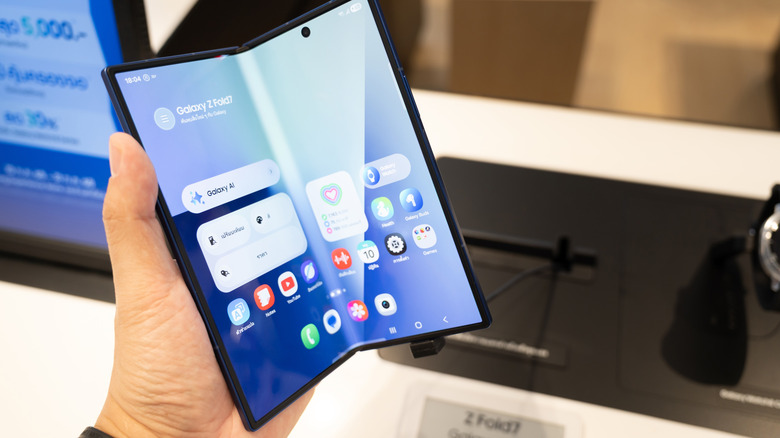
Just like all of our everyday gadgets, cellphone technology has come a very long way. One of the most intriguing innovations in this area is the foldable phone, which changes the game in terms of form factor and portability.
An unconventional concept, folding phones are available in both horizontal 'book' and vertical 'flip' varieties. Since their arrival in the mainstream, foldable phones have been quite divisive. Some love them for the dual functionality of the screens, both inside and out, and the versatility they offer. If you have switched to this type of model, though, you'll probably be well aware that the unique setup has its drawbacks too.
From the familiar issue of the hinge to the aspect ratio it can force through its screen size and shape, here are some issues that owners of foldable models often report with their phones. If you're considering one, make sure you take these factors into account. They might even be dealbreakers for you.
Hinge problems
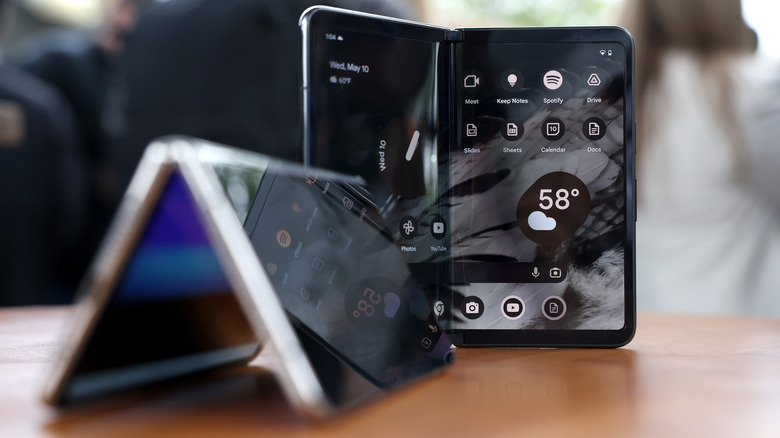
Just like their classic flip-phone predecessors, modern foldables require a hinge and, as a result, are extremely reliant on it. The phones are designed to perform many 'folds,' but it's still a vulnerable point on any foldable that could immediately prove problematic if it develops a defect.
The hinge on any foldable is delicate and can easily be damaged, and it may also become a hotbed of dirt, dust, or other detritus you might encounter. In a Reddit discussion about the durability of the Galaxy Fold in particular, users gave (as is typically the case) a mixed range of opinions about the system's mechanics and how well it withstands use over time. One user commented that they accidentally dropped their phone in the dirt, and some dirt got into the hinge mechanism, so it would no longer close completely flat as it was supposed to. This is one of those things that's sure to be an annoyance. After all, even the best of us will drop our phones at times, and they can fall at the most awkward angles, whether or not the user has a heavy-duty case.
More sophisticated and hardier hinge systems are contributing to improvements in this area, with Which? reporting in October 2025 that its extensive lab testing (30,000 'folds') was withstood by almost all models it tested. Nonetheless, wear in this area is a constant concern.
The division in the middle of the screen
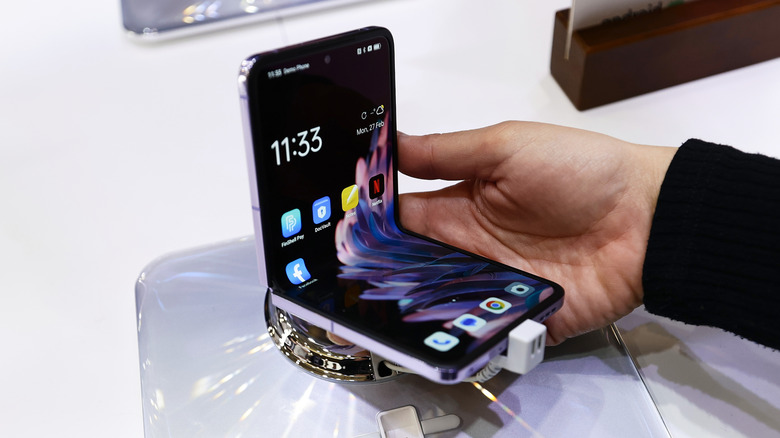
There are some excellent folding smartphones you can buy, but switching to one is sure to be an adjustment. There's a fundamental difference in the way they're designed, after all, because the model will need to make compromises in order for its folding feature to work. You'll typically notice it develops a pronounced bend or screen crease in the center. This mark begins to develop as the phone performs fold after fold, because it's a fact of the design that the materials will show wear to some extent.
The seam in the middle of the screen gradually forms as slow but steady stress builds up in the flexible materials that make up the display. Because these screens are softer than standard glass, they are also more susceptible to other light surface damage, such as scratches. This is a design issue that manufacturers find difficult to mitigate (though progress has been made), because any attempt to do so can mean a compromise elsewhere.
For many owners, the crease is more of an aesthetic issue, but it's sure to be a prominent one. After all, the core appeal of a foldable model is the ability to use a wide, open screen, and any imperfection, such as a dead pixel, can be a minor nuisance or a deal-breaker depending on the user's preferences. After prolonged use, the crease can become very objectionable.
The high price compared to more conventional designs
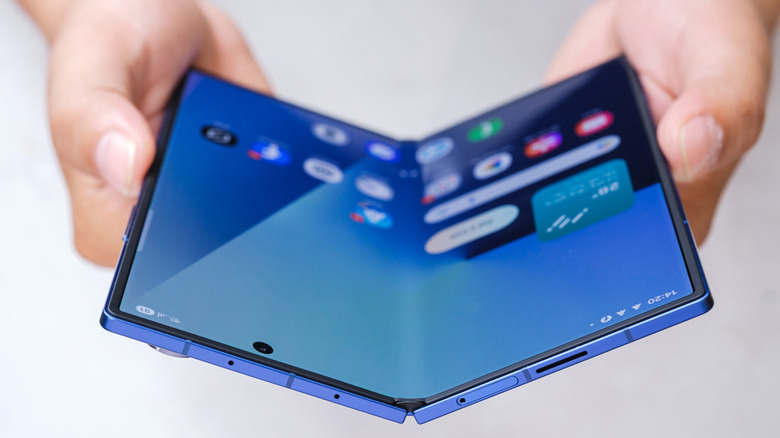
As we've seen, there are significant pros and cons to models with folding screens. This is to be expected with unconventional technology of this sort. Relatively speaking, it's still in its infancy, which means there are certain limitations to address. It also means, unfortunately, that embracing foldable phones can be very expensive.
One Reddit discussion about the Galaxy Fold line in particular suggested an annual rise in complaints about the price of the newest model, tying this to the various complex factors associated with their production. Though the Samsung Galaxy Z Fold7 is a very impressive model, beginning at $1,999.99, there's no doubt that it's a very pricey prospect.
Cost is a primary deal-breaker when making a purchase decision, and it could certainly reduce adoption of new foldable models. Whether the latest foldable model is a worthy purchase is, of course, up to the individual to decide. It's also true, though, that resale models and previous editions are available for those who want to embrace the tech without the cost of a brand-new flagship.
The aspect ratio issue
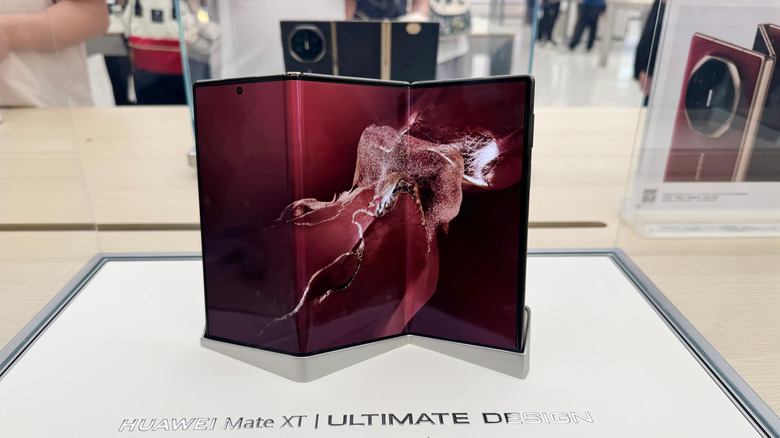
Sometimes, users might find that a larger phone lacks the usable screen real estate they expected due to pesky black bars. Because more conventional designs dramatically outnumber foldable models, it makes perfect sense that content is typically designed to adhere to aspect ratios that suit them. Unfortunately for users of foldables, this can mean that models often have square-shaped screens, particularly on the interior.
As those experienced with classic games consoles on modern TVs will know, though, some aspect ratios translate poorly. In another Reddit discussion about the practicality of foldable phones, several potential users lamented another major bugbear of the design: the unsightly, vision-limiting black bars along the top and bottom of the display when watching standard widescreen video. This can be the very worst thing for those who want their phones as media machines. It's certainly dependent on the type of media and the specific apps and content you consume, because some types will be better suited to or adapt better to the aspect ratio than others.
Overall, though, it's an important issue that many different types of foldable models can share and that customers need to bear in mind. The other complicating factor is that, because such models have screens on both the inside and the outside, they differ in how they display content.