

4 Ram Engines You Should Steer Clear Of
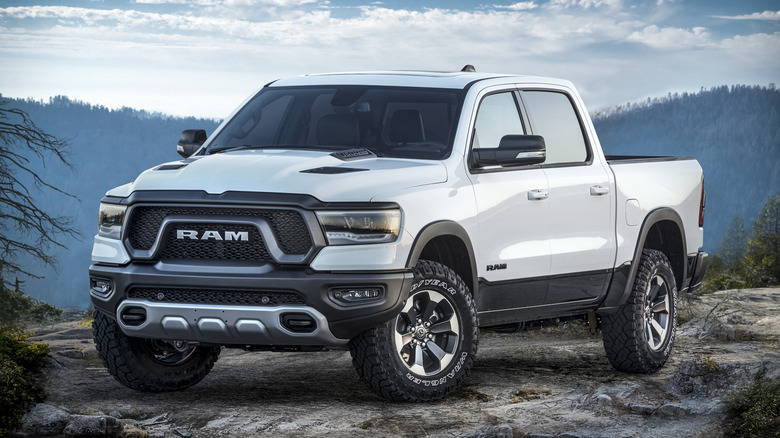
Whether it's the trucks built under the Dodge name or as an independent brand, Ram has always been a top contender for anyone looking for a great blend of comfort and practicality. In particular, the 1500 models have been some of the most attractive rivals against the likes of the Ford F-150 and Chevrolet Silverado, often edging them out when it comes to cabin quality. Under the hood, Ram has historically fallen in line with industry standards of offering multiple engine options. Many of these engines are highly competitive, but not all are as dependable as others.
Due to these pickups being so popular, there are plenty of owners who have given their thoughts and feedback on the trucks, giving us an idea of which engines struggle the most after putting miles on the clock. While newer Ram models aren't the most reliable pickup trucks you can buy, they still look to improve on the older models that we'll cover on this list. As well as the various Ram 1500 engines, we'll look at the larger 2500 and its one specific engine.
2014-2019 3.0-liter V6 EcoDiesel (1500)
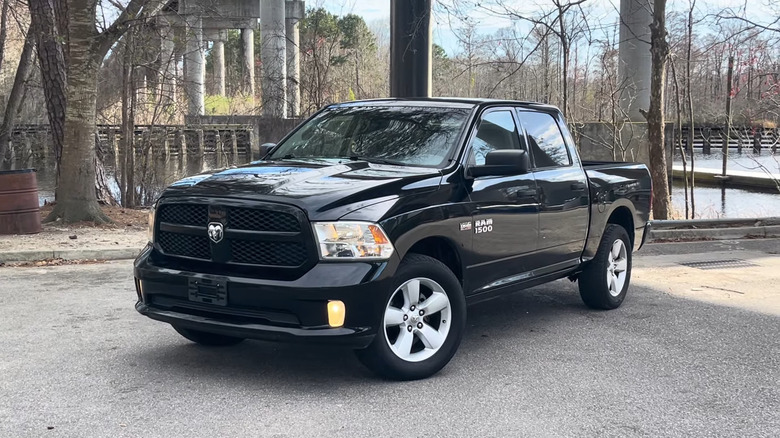
The 2014 Ram 1500 was redesigned based on the 2013 model, meaning the two looked pretty much the same. But while this wasn't a new generation for the truck, there had been some major changes; they just weren't the ones you could see at first glance. Alongside the existing 3.6L V6 and 5.7L V8, a new 3.0L EcoDiesel V6 was introduced, aiming to improve fuel efficiency without sacrificing too much power. On paper, it looks like an attractive engine, but over the years, it hasn't been a very smooth ride for the diesel.
On CarComplaints.com, the 3.0L EcoDiesel is mentioned quite a few times for a variety of issues. However, engine issues do not concern the diesel option exclusively. Things like engine stalling, cooling issues, unusual noises, and sometimes complete failures have been reported for the 1500 trucks built between 2014 and 2019, with some recalls showing this is a widespread issue. In 2015, a recall was issued to make sure the battery harness was fitted properly, with the potential for rubbing causing an electrical shortage. In 2020, 2014 to 2019 model-year 1500s had to be called in to check the intake manifolds due to EGR cooling cracks. The year after, issues were found with camshaft sensors in the diesel engine that could cause stalling (hence the complaints), with another recall being put out in 2023 for the same issue.
2011-2016 5.7L HEMI V8 (1500)
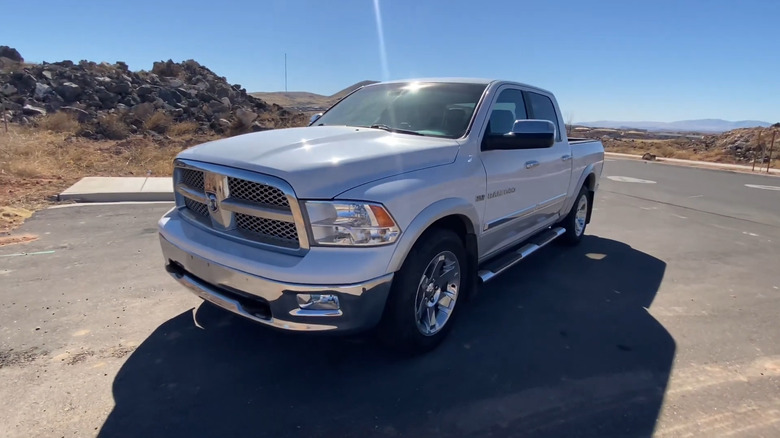
Speaking of the 5.7L V8 you could get with the Ram 1500 in the early 2010s, this is another engine that's had its fair share of problems, to say the least. Many of the reported issues for this engine started to seriously come up during the 2011 model year, persisting into the latter half of the decade. Something that's almost become synonymous with HEMI engines of this time period, the infamous HEMI tick, is the root cause of the key drawbacks here.
For the 2011 and 2013 model years in particular, the most common complaint owners have for their Ram 1500 is lifter and cam faults, which is often attributed to the multi-displacement system that's used for this engine. A lot of people don't catch it until it's too late, leading to engine shut-off while driving and a rather expensive mechanic bill to boot. Another cause for the HEMI tick, but not as common as the lifters, is the exhaust manifold failure, which can also cost a lot to sort out.
2002-2008 4.7L V8 (1500)
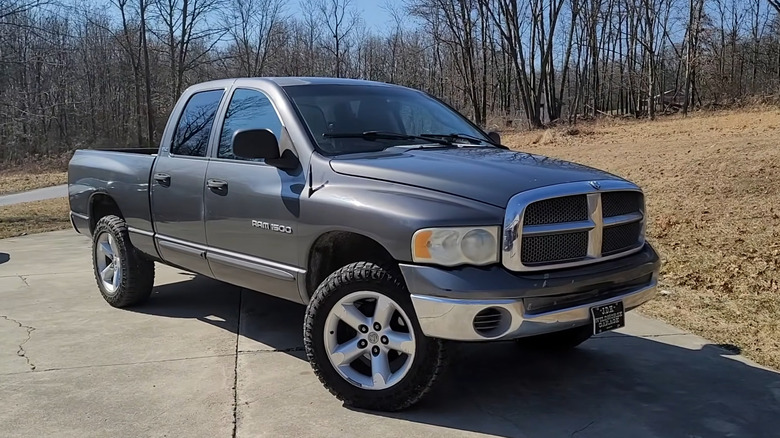
For the early 2000s Ram 1500 model years, the interiors build quality is often what leads the charge for complaints. However, starting with the 2002 model, one of the all-new engines proved to be a bit of a ticking time bomb throughout the rest of the generation. Specifically, the 4.7L had a few key issues that still pop up in these trucks over 20 years later, making it one to avoid compared to the others available. The 5.7L introduced in 2003 also had its issues, but was not reported as often as the 4.7L.
Based on what owners have said on CarComplaints.com, the most common engine issue that comes up for the early 4.7L-powered Ram 1500 is oil sludge. It seems like, more often than not, the poor circulation and subsequent build-up cause engine failure. While constant checks can help to prevent it, it's still not a nice problem to have. Another frequently mentioned flaw with the 4.7L is the excessive overheating, leading to the head gasket blowing. Owners have also noted part like the engine coils contributing to the overheating. Typically, these main faults tend to show up at around 70,000 to 100,000 miles, which, for a truck this old now, is pretty standard.
2013-2016 6.7L Cummins Inline-Six (2500)
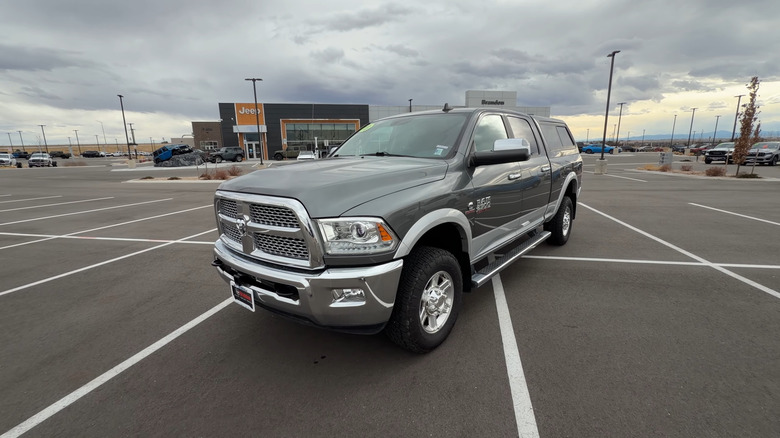
We've mentioned a few engines under the hood of various Ram 1500 model years, but owners of the larger, heavy-duty 2500 truck have also experienced their fair share of trouble with some of the engines. For 2013, Ram introduced a revised version of the 6.7L Cummins inline-six diesel to make it more capable, but not without some gremlins creeping in. On CarComplaints.com, things like leakages, cooling issues, and struggling to deliver power have been noted by owners of the 2500 between 2013 and 2016, with a lot of them linked with the recalls that this Cummins engine has faced over the years.
The first recall came in 2014 due to the faulty fuel heater, which could cause its electrical connectors to overheat, potentially leading to fuel leaks, which is far from ideal. A few years later, in 2017, another recall was made for this Cummins engine regarding the water pump built by Concentric. This pump equipped with this water pump was subject to coolant leaks. Both issues carried the risk of causing a fire.