

How Much Has The 2021 Range Rover Depreciated In The Last 5 Years?
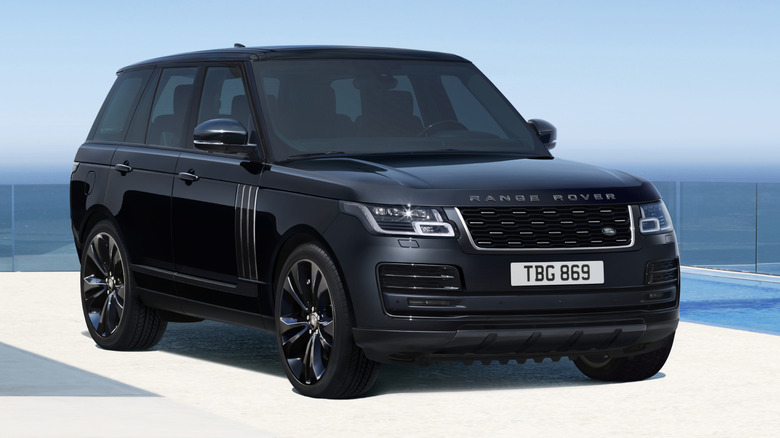
Depreciation is an almost unavoidable part of purchasing a new car – that is, unless you own an ultra-rare Ferrari hypercar, or something equally desirable to collectors. In virtually every other case, you'll end up receiving less money for your five-year old car when you eventually trade it in than you did when you bought it from the dealership.
Exactly how much money you can expect to lose varies based on several factors, like how long you plan to keep the car for, its condition, and its make and model. There are some ways you can help minimize depreciation, but some models still depreciate rapidly regardless of your ownership habits. If you own a Range Rover, you can expect to lose a lot more than most other car owners when it's time to upgrade.
Depreciation estimates differ between sources, but CarEdge estimates that a Range Rover will lose 74% of its initial sticker price after its first five years on the road. The 2021 model year Range Rover arrived with a base price of around $93,000, but at the top of its trim range, buyers would have paid north of $200,000 for the privilege of owning one. Even at its base price of $93,350, that means buyers would be losing just over $69,000 in depreciation over five years, based on CarEdge's depreciation estimate. According to KBB's latest data, the average 2021 Range Rover is worth just $34,100.
What is a 2021 Range Rover worth today?
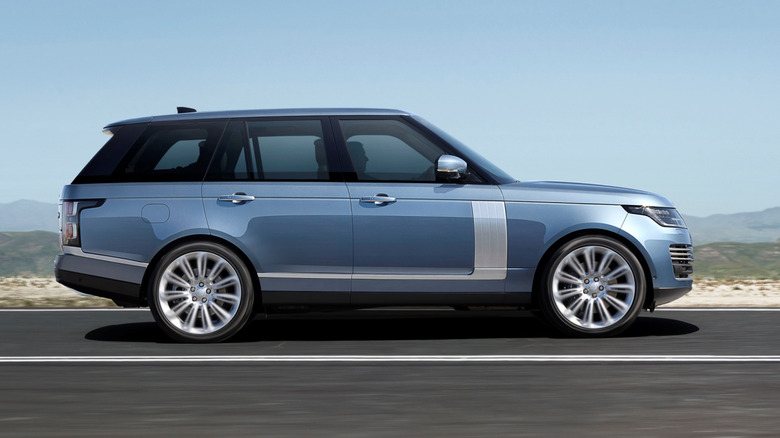
Given the broad price range that buyers could expect to pay for a new 2021 Range Rover, it shouldn't come as a shock to find out that prices for used cars today can vary based on trim. Listings on sites like AutoTrader confirm that plenty of 2021 Range Rovers are indeed available for around that aforementioned $34,100, although buyers looking for a higher trim or lower mileage example can expect to pay considerably more. Nonetheless, a budget of $45,000 or so would certainly allow you to pick from a range of lower mileage, high-spec examples.
That might seem unfathomably cheap for a five year old car that sported an original MSRP well into six-figure territory, but there's a good reason why Range Rovers lose value so fast. Primarily, it comes down to their high running costs. Range Rovers are well known for their inconsistent reliability record, and fixing them often costs more than most other luxury SUVs.
That's without accounting for their regular servicing needs either, or the fuel bill you'll rack up by driving a huge, thirsty SUV. Add in the cost of insurance and local taxes and fees, and you'll be left with a hefty bill on top of your initial purchase costs. Most buyers on the used market simply won't want to stump up that much cash to run an aging luxury behemoth, and as a result, the Range Rover is one of the fastest depreciating SUVs on the market.