

How Many Solar Panels Would It Take To Replace A Nuclear Reactor?
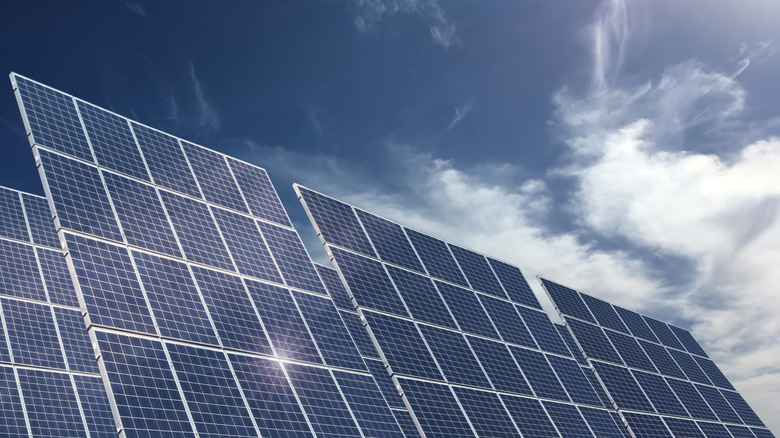
As opposed to coal power, nuclear and solar power are two high-tech ways to prove clean energy to homes around the world. It is, of course, a significant understatement to say that solar power is much easier to get your hands on than nuclear; you can buy a small solar panel for to charge your devices from places like Harbor Freight, or you can sign up for companies like Tesla to install solar panels on top of your roof. If you're ever feeling curious, take a look around your neighborhood — it's likely that more homes are getting some measure of power from the sun than you probably thought.
Nuclear power, however, is tightly controlled and limited to military applications or large scale public works projects with heavy government subsidies. They're operated by large energy companies and are often bolstered by any number of security measures including armed guards, drones, and other ways of preventing unauthorized nuclear material proliferation covered by all manners of international treaties and the U.S. Nuclear Regulatory Commission.
But just for knowledge's sake, what would it take for solar power to replace the output of a single nuclear reactor? How many solar panels capturing the energy of the sun can match the energy of splitting an atom? In short, it would take a very large solar farm of thousands (or millions) of commercial solar panels to replace just one reactor, depending on its output, but let's break down the math.
Nuclear plants generate a massive amount of power
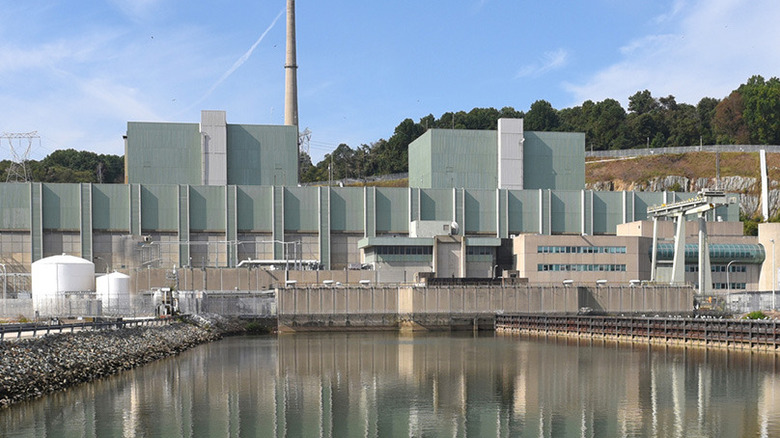
First, let's take a look at output. The Peach Bottom Clean Energy Center, a nuclear power plant (one of many in the United States) in Delta, Pennsylvania (a short distance from where I live), serves roughly 2 million homes in the area through its two General Electric nuclear reactors. According to Constellation Energy, one of the contractors responsible for the plant, the pair of reactors has an output of 2,646 megawatts, which generated 21,944,000 MWh (megawatt-hours) of electricity in 2025.
Towards the solar energy side, a single solar panel from Tesla that sits right on top of your house generates up to 420 watts of electricity, or about enough to power a small refrigerator.
One megawatt is 1 million watts. So, doing the math, it would take more than 2,380 Tesla solar panels to generate one megawatt of electricity. A single reactor at Peach Bottom makes 1,323 megwatts. That means it would take 3.15 million Tesla solar panels to cover the output of a single nuclear reactor.
Sizes to consider when determining solar power generation
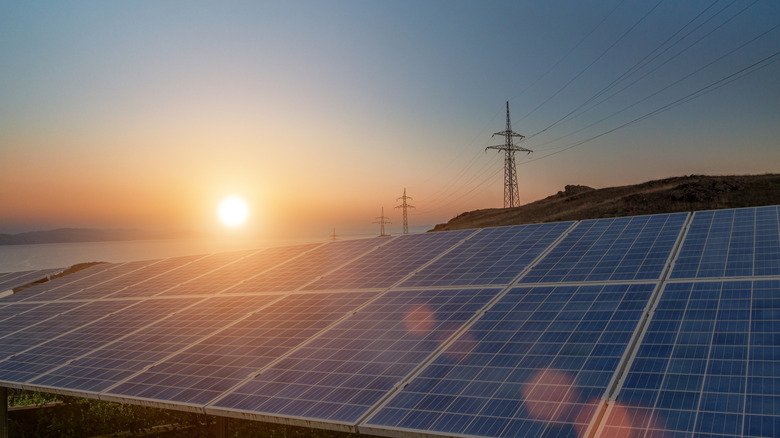
How much surface area would those 3.15 million solar panels take up? What size of solar panel array are we talking about at that scale? Each Tesla solar panel covers just over 22 square feet. An array of these panels that would cover the output of a single Peach Bottom reactor would be around 69.489 million square feet, or just about 2.49 square miles. Remember, Peach Bottom has two reactors, so to cover its output, you would need almost 5 square miles of real estate to make it work without even going into energy storage, distribution, and the myriad of other tasks that solar farms accomplish. For comparison, Peach Bottom's nuclear facility itself sits on an area of "approximately 600 acres" according to Constellation. That's only 0.93 square miles.
There are obvious reasons why you can't have nuclear power replace solar power and vice-versa in every situation. Apart from pure power output calculations, a solar farm and a nuclear power facility have a lot of vastly different needs and maintenance requirements that are suited for different operating environments.