

What's The Average Lifespan Of A Robot Vacuum?
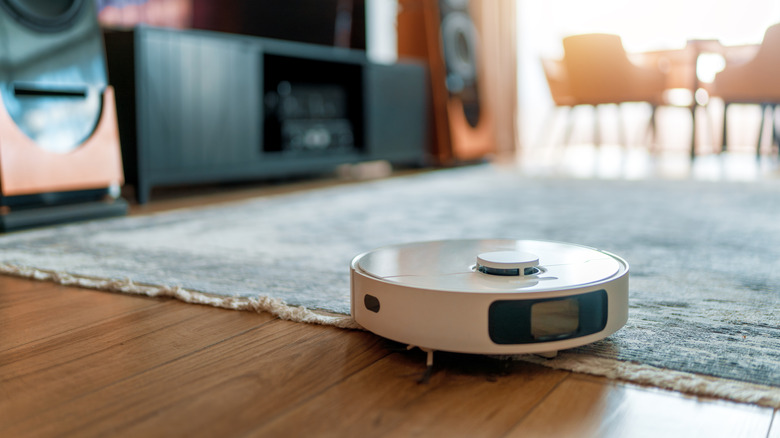
We're nowhere near the promised "flying cars" and "humanoid robot helpers" future sci-fi books and movies kept predicting. However, we have built Waymos and robot vacuums — so we're getting there. The latter have become a big part of many people's cleaning routines, especially those with pets. But like other electronics in the home, robot vacuums need maintenance — and eventually get replaced.
The lifespan of your robot vacuum depends on the brand, quality, usage frequency, and maintenance, but the average one lasts about four to six years. Over time, you may notice your robot vacuum needing more upkeep notably with shortening battery life and components breaking. While some robot vacuums are overall more durable and reliable than others, there are some things you can do to keep your robot vacuum running longer. Meanwhile, we're getting closer to those flying cars — maybe that robot vacuum will evolve to become a robot that can hold a vacuum, fold your laundry, do your dishes, and even answer the door when guests come over.
How can you extend your robot vacuum's lifespan?
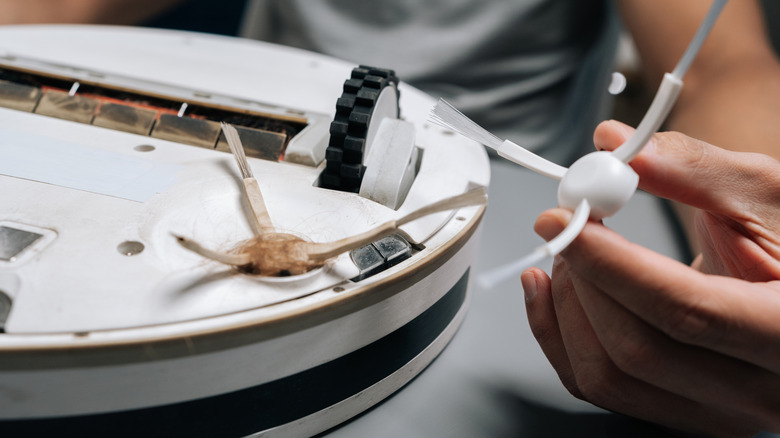
While every robot vacuum is different, there are some general factors that impact its lifespan. The build quality is one consideration — more expensive brands use stronger and more durable components, like the wheels and sensors (they will also do a better job). The usage frequency is another thing to consider. The more often you run the vacuum, the more wear and tear on the brushes, wheels, and motors. Your home's layout and size will also impact its lifespan, since larger homes will naturally put more stress on the robot over time and pet hair can get tangled in the different parts.
If you want to keep your robot vacuum working longer, the most important thing to do is consistent maintenance. Clean your vacuum every few weeks, looking for tangled hairs and debris, clogged filters, and stuck wheels. Don't forget the docking station itself — wipe the contacts regularly and make sure there's no dust buildup. You may need to replace certain parts every few months, so keep an eye on their quality. The replacement parts should be manufacturer approved, and some may even be included in the box.
Make sure your robot vacuum is charging in a cool, dry spot in your home away from sunlight. It should be fully charged before use. Finally, always check for software updates, since they may include performance and battery optimization upgrades that improve your robot's quality of life.