

5 Tools And Gadgets That May Die In Storage
We may receive a commission on purchases made from links.
Garages, attics, and storage units are full of equipment, electronics, and supplies waiting to be used again. Unfortunately, you shouldn't assume that putting your items away means they are safe. The truth is, storing many common items is actively killing them. The conditions in your typical storage environment, like fluctuating temperatures, humidity, and chemical exposure, can trigger a slow but irreversible self-destruction in various materials and mechanisms.
While simple dust and dirt are issues, the bigger cause of destruction is chemical degradation, physical stress, and corrosion that permanently ruins your property. Keep in mind that many items can't just be forgotten; some will actively degrade faster when they're kept in those environments.
The best thing to do is figure out what tools or gadgets will deteriorate and get damaged while in storage, and then actively avoid leaving them there. While storage and putting things away are convenient, it's not worth the damage you could do to your items. Instead, you should learn about the best ways to store those particular items or sell them if you realistically don't have a good idea of when you will use them again.
Bungee cords
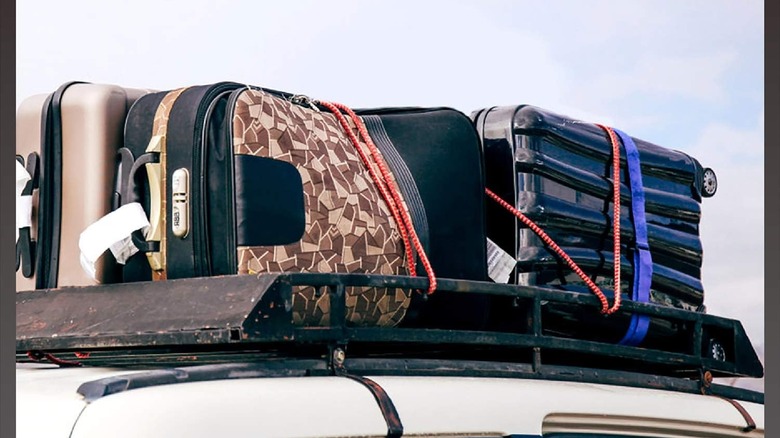
Bungee cords have many uses, which is why it seems smart to store them when you don't need them. However, a bungee cord's core consists of bundled elastic rubber strands. Over time, exposure to oxygen and UV rays causes these strands to lose their elasticity. Rubber naturally undergoes physical and chemical changes during storage, which often lead to hardening, softening, cracking, or crazing. These issues are driven by environmental stressors like heat, humidity, ozone, and light.
Ozone is especially aggressive because even small amounts will attack the unsaturated double bonds in the rubber's molecular chains. This causes them to break and form dangerous surface cracks. UV radiation from sunlight speeds up this decay through photo-oxidation, further breaking down molecules and reducing the material's mechanical strength. Commercial bungee jumping regulations require that cords be destroyed after only six months from their manufacture date, or if they've had more than 250 hours of daylight exposure.
If your storage area is too dry, the inner rubber core will dry-rot; if it's too damp, the outer protective cover may rot. To prevent your bungee cords from degrading prematurely in storage, store them in a cool, dark, and dry environment. Ideally, temperatures should be below 100 degrees Fahrenheit with less than 75% relative humidity. So before you use a bungee cord to tie anything down in your truck, make sure you haven't accidentally compromised its integrity.
Lithium-ion battery devices
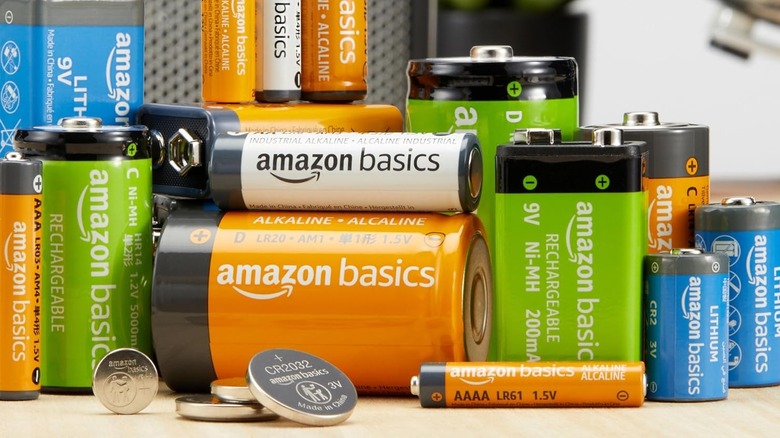
Smartphones, tablets, and cordless power tools are at high risk in storage. Heat or physical pressure can cause the battery cells to off-gas and swell. This expansion can crack screens, bend frames, or even lead to a thermal runaway fire. This deterioration is caused by aging, which is when a lithium-ion battery degrades over time. This is true even when it's completely inactive and has no current flow, which is a huge problem with these batteries.
When these batteries get hot while they're stored, they experience some unwanted side reactions. A major structural problem during this inactive time is that the solid electrolyte interphase layer on the anode keeps growing. This permanently uses up lithium that could be cycled and makes the cell's internal resistance higher.
Even if you only expose a battery to moderate heat for a short time, like leaving your gadget in a warm room or garage, it leaves a permanent thermal history inside it. This starts an oxidative reaction that hurts the cathode surface. It also creates an internal, unwanted source of lithium that makes the battery lose its charge faster, even after it's back at room temperature. As the electrolyte breaks down during storage, it creates toxic and flammable gases, like hydrogen, carbon monoxide, and ethylene. This gas builds up internal pressure, which makes the battery swell.
Record players (belt-driven)

There are many record players you should avoid for many reasons, but one is that a lot of vintage turntables use a rubber drive belt to spin the platter, running from the motor pulley to the inner rim. This design is great for isolating motor vibration and giving you that analog sound; however, the rubber belt can get damaged over time. When it's packed away in a closet or attic, the turntable is exposed to changing temperatures, humidity, dust, and much more.
The main thing that causes stored record players to break down is chemical degradation called chain scission or reversion. You might think old rubber just dries out and snaps; however, the synthetic rubber compounds and plasticizers in vintage audio belts often break down in the opposite way. Environmental stress makes the long polymer chains, which give the material its elasticity, separate and break apart, destroying its structural integrity.
What went into storage as a taut, flexible band eventually turns into an oily, liquid mess. This process changes the belt into a black, tar-like goo that sticks to the motor pulley and the inner rim of the platter. Since the belt was left wrapped tightly around the drive mechanisms, this sticky mess melts directly onto important contact points.
Air compressor and receiver
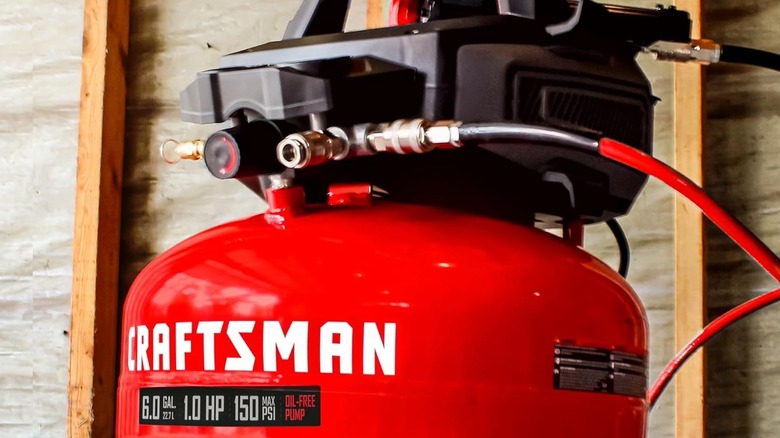
When you store an air compressor without draining it, you're setting yourself up for a big problem. During compression, moisture leaves the air and settles right at the bottom of its steel tank. This happens since the air around us naturally has water vapor, and when a compressor squeezes a lot of air, that humidity gets really concentrated. Then, as the air cools inside the system, it hits the dew point and turns into a liquid that just collects at the base.
If you don't drain this water using the release valve, it'll start eating away at the metal from the inside out. That collected liquid isn't just pure water either. It often mixes with old lubricants, carbon residue, and pollutants to make an acidic liquid. This fluid acts like a catalyst, speeding up corrosion and rust on the tank's inner carbon steel surfaces.
Since you can't see inside, the tank wall can get so thin that it's no longer safe to hold high pressure. An air receiver actually stores a huge amount of potential energy. If hidden pitting and corrosion have thinned the steel walls, the tank could fail. So make sure to store it properly, and you should also get one from a good brand either way.
Almost empty gas-powered tools
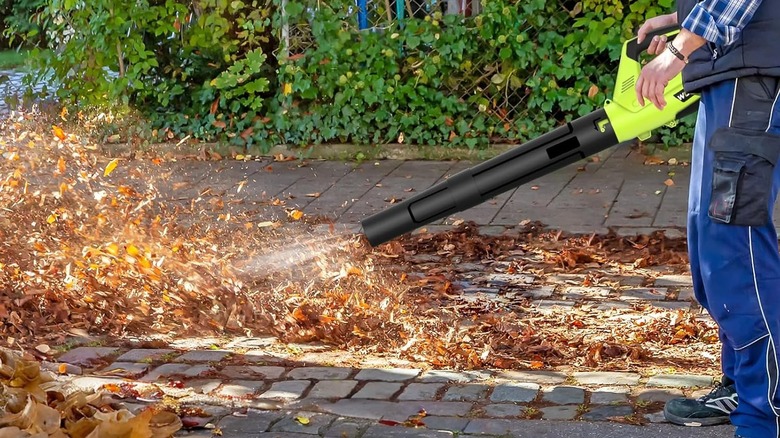
Leaving gasoline in a lawnmower, chainsaw, or leaf blower can lead to a clogged engine. The problem is the fuel's chemical makeup. Today's gas has ethanol, and it pulls moisture right out of the air. When you store your equipment for a long time, this water vapor absorption causes a chemical reaction inside its fuel tank.
After a few months, the fuel separates and becomes a thick varnish or gum as it oxidizes. That's when hydrocarbon chains break down, turning into a sticky, tar-like goo. That acidic water-ethanol mix can also corrode metal fuel lines and internal aluminum or zinc parts, creating a crystalline buildup called white rust. Untreated modern fuel also attacks flexible parts. It makes rubber fuel lines, gaskets, and plastic primer bulbs degrade, turning them brittle and making them crack.
Some owners might think draining the fuel tank completely before winter is the smartest thing to do. However, leaving the carburetor and tank empty actually lets in a lot of oxygen and moist air. This speeds up condensation inside and lets residual fuel droplets quickly oxidize into stubborn varnish. Instead of leaving the system dry, fill the fuel tank full with fresh gas that has a good fuel stabilizer in it. This is a good reason why you may want to stick to electric tools instead of gas.