

5 Tech Items You Shouldn't Try To Donate To Thrift Stores
We may receive a commission on purchases made from links.
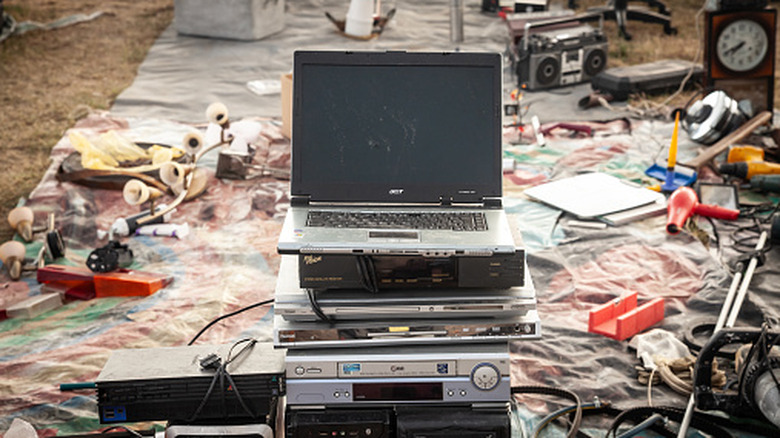
You might feel like offloading electronics at a thrift store is an easy way to get rid of them while also letting others enjoy their use. To be fair, there are always some cool gadgets and electronics to look out for as a buyer, but there are some tech items that you shouldn't even try donating to thrift stores. Because of different policies and simple safety concerns, certain pieces of tech will be rejected by thrift stores before they even leave your hands.
A great number of thrift stores have a list of items that they'll accept or deny. These lists aren't always uniform across different outlets, but a few pieces of tech are more likely to be refused than not. The ones that get turned down tend to be old or volatile for one reason or another, and stores obviously wouldn't want to sell things that are broken or even dangerous. In some cases, there might also be items that you just shouldn't want to give them anyway. Here are five different types of items that just aren't worth trying to donate to thrift stores.
Printers and fax machines
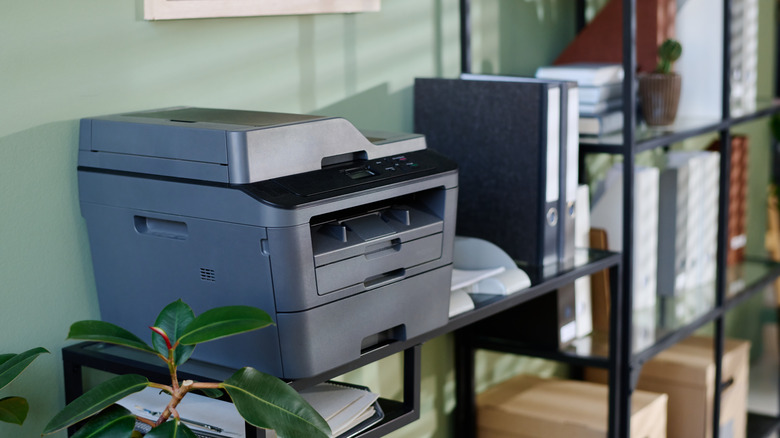
Fax machines are generally seen as old tech devices that the latest generation will never learn to use, and they aren't exactly small when compared to other types of electronics like phones or even laptops. Printers are a bit more universal, but again their size still makes them difficult for many thrift stores to accept. Generally, small electronics have a much better chance at being taken off your hands. It's less a matter of function and more a matter of size and space.
Some thrift stores won't have this issue for printers, but you might still run into issues depending on the type of printer you give them. In the past, many donators have found difficulty offloading printers that use proprietary cartridges for ink and toner. These are expensive, manufacturer-specific, and sometimes aren't even made anymore. Even if these older printers are cheap, with so many restrictions on what allows them to work in the first place, many thrift stores simply don't find it worthwhile to stock them at all.
Batteries, or items with batteries
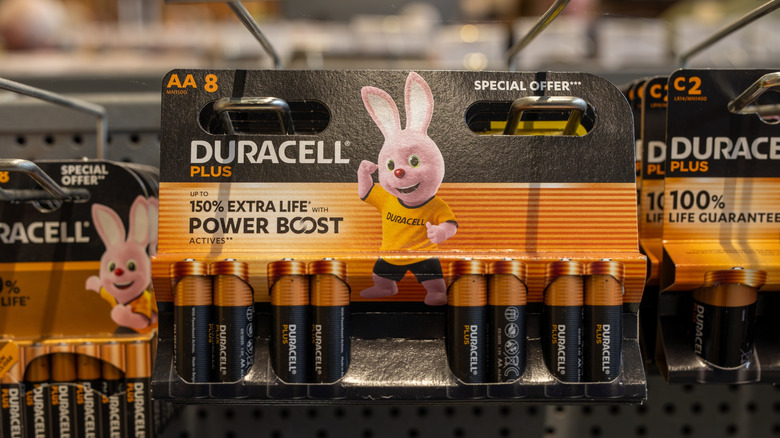
It shouldn't be too surprising to hear that thrift stores aren't very willing to accept loose batteries. You should already be aware of their safety risks, especially if you've already experienced batteries leaking from improper storage and use. Besides, considering the specific tasks and devices they're meant for, you probably don't have much reason to donate AA or AAA batteries instead of throwing them away. And once they're used up, you should be recycling them properly, not giving them away.
As you might expect, this rule can apply to more than just the batteries themselves. Car batteries and devices with batteries built-in can pose very similar risks. You might get away with being able to donate the latter, but rechargeable batteries integrated into small electronics such as smartphones can end up getting swollen over time. This is a sign that it's just about ready to catch fire, and it should go without saying that no thrift store will be happy about that.
Older tech, including CRTs
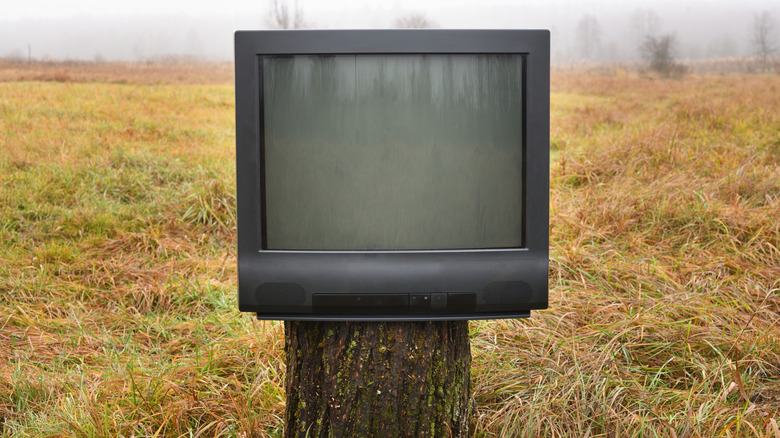
You might think that a thrift store would happily accept an older television set. They've been making a comeback in recent years, and they don't seem very harmful on the surface. But older CRT televisions are pretty much universally denied by these locations. Some shoppers have found thrift stores carrying CRTs in certain areas, but you might have a tough time getting your local location to accept one.
Once again, the problem here is safety above all else. Goodwill in Southern Alleghenies mentions how it had to stop accepting CRTs because they "contain five to eight pounds of lead." In this case, there's also a high cost for the store to offload them in the first place; it's forced to pay fees and find landfills that will actually take the items. Few places have the freedom or motivation to deal with these issues, and fewer still will want to take the safety risks involved in keeping these stocked.
Computer monitors and other screens

The aforementioned Goodwill location refuses to take flat-screen TVs for similar reasons as CRTs: hazardous materials and risks to safety. But the rules aren't universal for every location, even when it comes to different Goodwill stores. And this goes for other screens and displays, too, such as computer monitors. It's really up in the air whether you'll be able to find a thrift store near you that'll accept them.
LCD monitors might be an example of tech that's still worth buying used, but they can still face notable quality issues such as dead pixels. OLED monitors also have the risk of burn-in, which further creates problems with how attractive they are to buyers. Thrift stores aren't likely to accept broken or damaged electronics, and depending on their definition, monitors with those problems could be quickly denied by them. At that point, it's a much better decision to take those screens to a recycling center, not a thrift store.
Unwiped storage devices
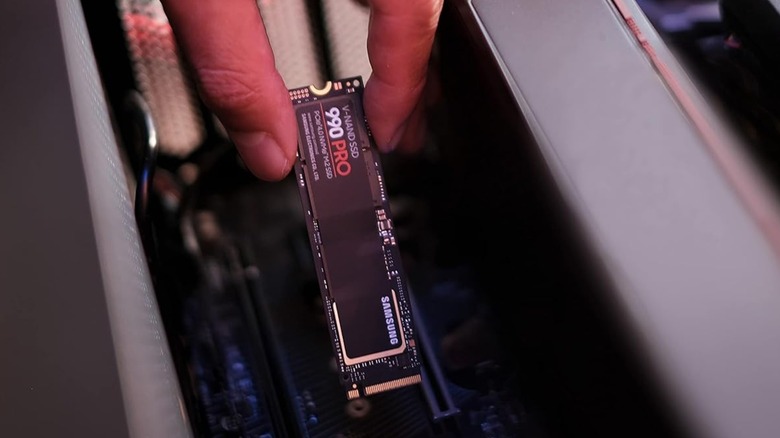
Donators have faced difficulties in giving their digital storage devices to certain thrift stores, though some locations will still accept them without a major issue. The problem here is on your end, as you can't be sure that these stores will reliably wipe these drives on their own. If you simply give away your older storage devices carelessly, whoever ends up buying it might end up picking through your personal information. Even a full deletion might not guarantee your safety unless you use special programs or physically destroy the old drive entirely — to the point where there's no chance a thrift store will accept it.
On top of hard drives, USB flash sticks, and solid state drives themselves, you should be aware of any device that might have storage built-in. This applies most to computers and laptops, obviously, but smart TVs and game consoles can be problematic to donate if you still have them signed into your accounts. Many of the electronics thrift stores refuse are a risk to their safety, but make sure the items they accept aren't a risk to your own.