

Volkswagens May Be Getting More Expensive For Americans
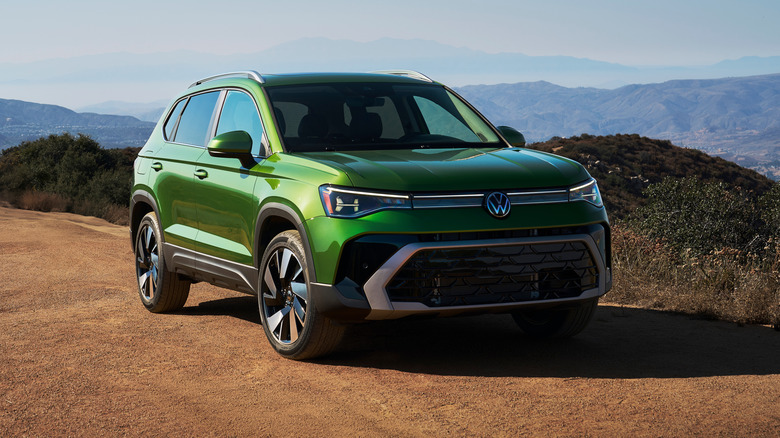
Volkswagen Group may have to rethink its strategy in North America, which could mean raising the price of its vehicles in the United States, due to the country's high tariffs on vehicles imported from Mexico.
Volkswagen is running out of options, and it may have to look reorganizing its production structure in Mexico to cut costs, while also launching new models across its brands that could better compete in the current market. CEO Oliver Blume also stated that VW is attempting to negotiate a solution that would let them keep their production in Mexico without punitive tariffs.
With VW's production no longer saving money, so it may have to look outside of its own processes to shift the burden. It's possible that consumers may take part of the hit for Volkswagen, with prices of its models increasing in the United States to offset some of the tariffs.
The automaker has also been expanding into the American market, in a roundabout way, by reviving the American brand Scout Motors, which has an electric SUV and pickup planned. Unfortunately, the profits from these vehicles won't come in time to relieve Volkswagen from the current tariffs. Volkswagen is set to become a much more expensive car brand in the U.S. due to these tariffs.
Why is Volkswagen so heavily impacted by tariffs?
Mexico is currently where Volkswagen produces 70% of its cars, shipping them across the border for U.S. customers. The 27.5% tariffs on vehicles imported from Mexico into the United States cost Volkswagen $3.3 billion in 2025 alone. VW's profits have also declined, with sales dropping by 12%, putting the automaker in a pretty tough spot. "It is is no longer economically viable to export many vehicles from Mexico to the U.S.," Blume stated.
However, moving out of Mexico isn't an option. Blume already stated that Volkswagen won't "invest billions" in moving production to the United States, adding it would take years. Currently, VW has the Volkswagen de Mexico complex in Puebla that manufactured a total of 335,716 vehicles in 2025, including the Jetta, Tiguan, and Taos, as well as an engine plant in Silao that can make more than 2,500 engines a day, and Audi's assembly plant in San Jose Chiapa, which largely produces the Audi Q5. With VW being so localized in Mexico, it seems that customers could end up cushioning some of the blow for its vehicles imported into the U.S.