

5 Phones With Better Battery Life Than The Google Pixel 10 Pro
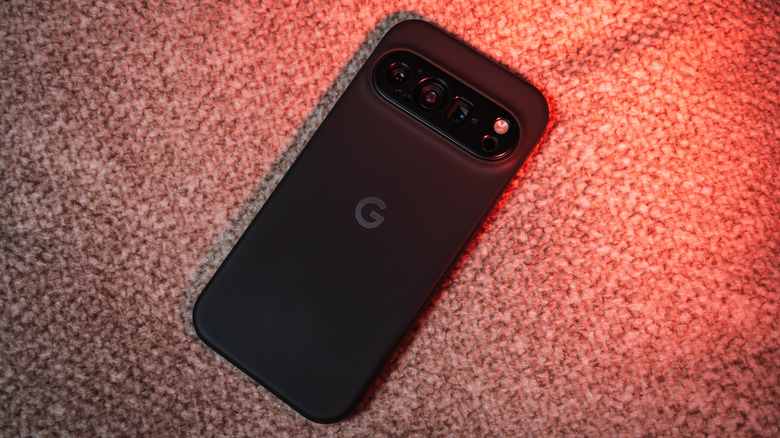
There is no shortage of smartphones, especially if you're shopping in the Android realm. However, if you're looking for a clean user interface and wish to experience Android in its purest form, then Google's Pixel series is an easy recommendation. You also get a solid set of cameras, premium build quality, and up to seven years of software support. We were also impressed by its MagSafe-esque Pixelsnap mounting system during our review of the Pixel 10 Pro.
One aspect the Pixel smartphones aren't known for is battery life. They offer average battery life at best and tend to perform worse as they age. On paper, the Pixel 10 Pro sports a 4,870 mAh lithium-ion battery that supports up to 30W of wired charging. The Pixel 10 Pro XL offers a larger 5,200 mAh battery and bumps its maximum charging speed to 45W. These are decent numbers, but in real-world use, several buyers have reported lackluster battery performance with the Pixel 10 series.
If excellent battery life is at the top of your priority list, it's best to steer clear of Google's offerings. Fortunately, there are other smartphones that offer a similarly premium experience while providing better battery life per charge. Here are five Google Pixel 10 Pro alternatives with better endurance that you should consider in 2026.
Apple iPhone 17 Pro
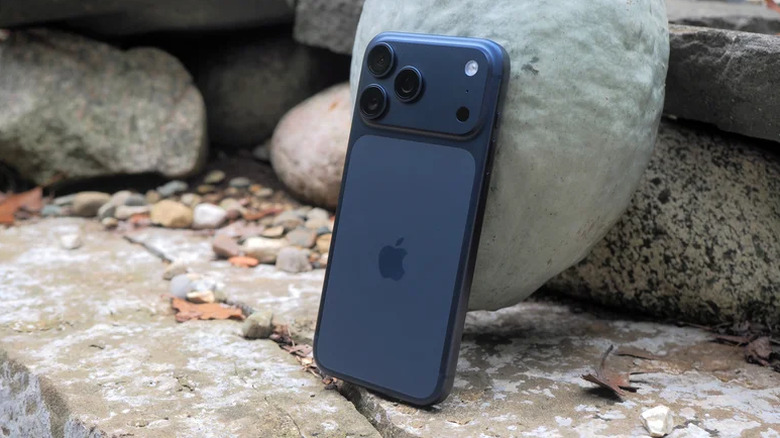
If you're fine with switching to iOS, then the iPhone 17 Pro is an excellent device to consider. It's similar in a lot of ways to the Pixel 10 Pro, including a clean software experience and premium build quality. It also arguably rocks some of the best cameras in any smartphone that money can buy. Above all, the iPhone 17 Pro offers exceptional battery life for its size. Since Apple controls both its software and hardware components, iOS on iPhones runs surprisingly efficiently.
At 4,252 mAh, the iPhone 17 Pro technically has a smaller physical battery compared to the Pixel 10 Pro. However, it's rated to last up to 31 hours of video playback. Its bigger sibling, the iPhone 17 Pro Max, packs a larger 5,088 mAh battery and increases this number to 37 hours. In our review of the iPhone 17 Pro Max, we reported how the device easily lasted a full day with battery to spare. Both models feature up to 40W of wired charging speed or up to 30W with a compatible wireless charger.
Since it's the most powerful smartphone Apple sells, the rest of the device is also specced generously. It's powered by Apple's in-house A19 Pro chip, which can run AAA titles like "Death Stranding." You get a triple-camera setup, comprising a wide, an ultrawide, and a 4x telephoto lens. Pricing starts at $1,099 for a 256GB iPhone 17 Pro.
Samsung Galaxy S26 Ultra
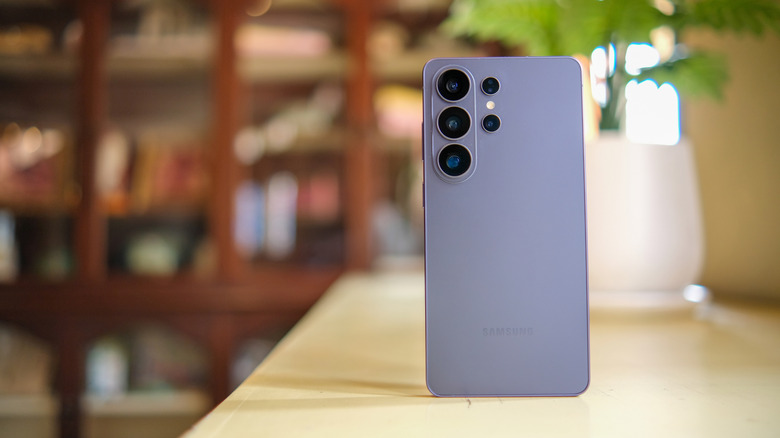
Samsung seems to have perfected the formula for its flagship smartphones, and the Galaxy S26 Ultra reflects this by mostly featuring incremental upgrades over its predecessor. It's still the only mainstream smartphone you can buy with a built-in stylus, and the new Privacy Display offers something that no other phone currently provides. Samsung's phones also get you the same excellent software support promise of seven years.
The Galaxy S26 Ultra is enormous at 6.9 inches, so its 5,000 mAh battery might not seem that impressive on paper. However, the Snapdragon 8 Elite Gen 5 inside seems to be an efficient chip, since the phone managed to outlast even the iPhone 17 Pro Max in a comprehensive battery test performed by YouTuber Mrwhosetheboss. The Galaxy S26 Ultra does at least bring improvements to its charging speeds, with the phone accepting up to 60W via a compatible charger. Unfortunately, unlike the Pixel or the iPhone, it doesn't come with a magnetic attachment system, though you can buy cases for that functionality.
Some of the best smartphone cameras include those fitted to Samsung's flagships, and the Galaxy S26 Ultra carries the legacy forward. You also get a much more customizable version of Android through One UI. Pricing starts at $1,299 for the 256GB version. You also get 12GB of RAM, which unlocks access to a bunch of AI features.
OnePlus 15
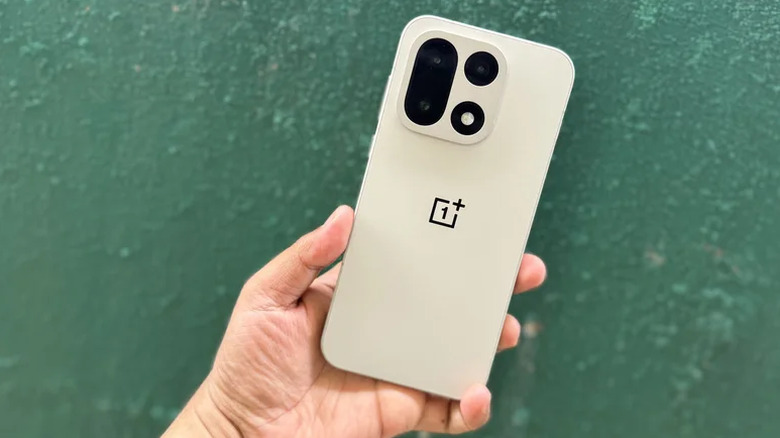
OnePlus' smartphones often don't get recommended quite as often as Samsung's or Google's devices, but they have always offered some of the best specifications for the price. The OnePlus 15 costs $899 and is absolutely packed to the brim with high-end internals. For starters, it features a 1.5K AMOLED with a 165Hz refresh rate. It's also powered by the latest Snapdragon 8 Elite Gen 5 SoC and comes with 12GB of RAM and 256GB of storage. For $100 more, you can bump this up to 16GB of RAM and half a terabyte of space.
One area in which OnePlus has consistently excelled is battery technology. At 7,300 mAh, the OnePlus 15 offers nearly 50% more capacity than the Pixel or the iPhone. This also translates very well to real-world use. In our review of the OnePlus 15, we found that the battery lasted comfortably through a full day. Even with mixed usage, including gaming and GPS navigation, the phone managed to end the day with around 25% battery left. With lighter use, this is comfortably a two-day phone.
When you do manage to drain its battery, the included charger can top it up in under 45 minutes. It does so with up to 80W of wired charging speed. Certain global variants can push to 120W as well. The phone also supports up to 50W of wireless charging with the proprietary AirVOOC charger.
Nothing Phone (4a) Pro
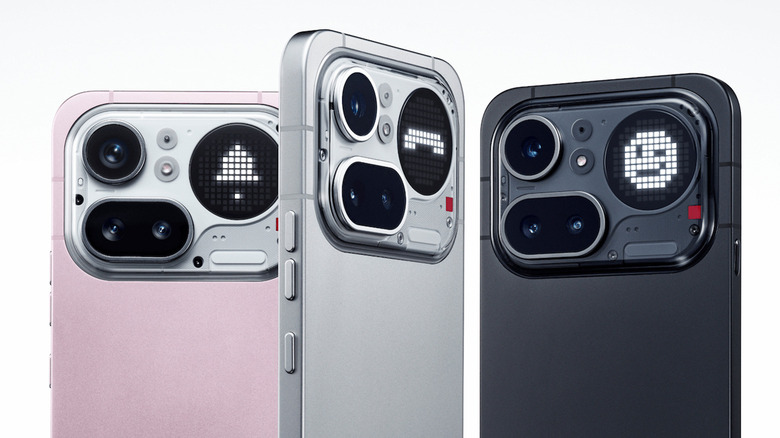
The likes of the OnePlus 15 and Galaxy S26 Ultra offer better battery life than the Pixel 10 Pro, but their software experience isn't the lightest — far from it, actually. Both OxygenOS and One UI offer a plethora of features, but if the Pixel's clean UI is what draws you in, then you might want to consider the Nothing Phone (4a) Pro. Though it runs a customized version of Android dubbed Nothing OS, it offers a comparatively stripped-down experience that feels closer to that of a Google phone.
Unlike the Pixel 10 Pro, however, the Nothing Phone (4a) Pro is a mid-range offering. It's powered by the Snapdragon 7 Gen 4 SoC, with 8GB of RAM and 128GB of storage. The global variant of the phone features a 5,080 mAh battery, but the model sold in India comes with a bigger 5,400 mAh cell. This puts its physical battery capacity roughly in line with what you'd get with a Pixel 10 Pro XL. However, being powered by a comparatively lower-end chipset, you are likely to have a better battery experience.
Engadget's review highlighted how the device easily lasted a full day in endurance tests. When it's time to top up, the phone supports up to 50W of wired charging and takes around an hour to fully charge. At $499, the Nothing Phone (4a) Pro is a good alternative if you want something that looks different and value a clean software experience.
Oppo Find X9 Pro
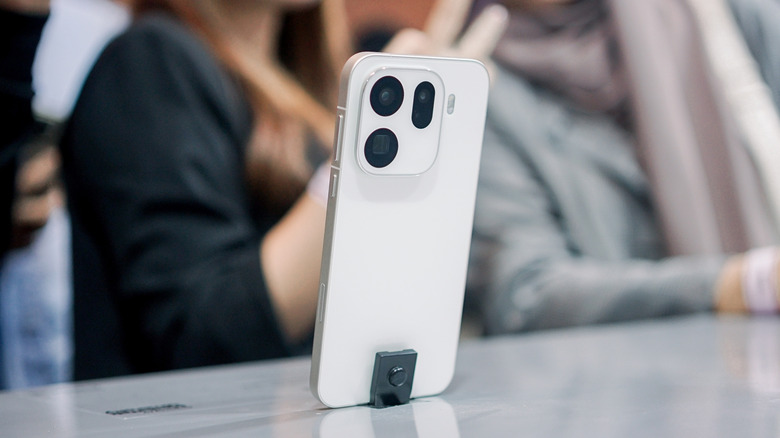
The Oppo Find X9 Pro is the only smartphone on this list that isn't officially sold in the U.S. However, it packs one of the most impressive batteries available in any smartphone globally. Like the OnePlus 15, the Oppo Find X9 Pro uses a high-density silicon-carbon battery, allowing it to have a capacity of 7,500 mAh despite being physically the same size as the Pixel 10 Pro XL. This translates to battery life that will get you through an entire day of intensive use — usually with some to spare for the next day.
The Find X9 Pro also features up to 80W of SuperVOOC charging with its included charger and up to 50W with a compatible wireless charger. The device topped GSMArena's battery test, beating flagships like the Pixel 10 Pro XL and the iPhone 17 Pro Max. It also ships with the latest version of Android, with a very similar software experience to the OnePlus 15. ColorOS also has many customization options and is well-optimized for battery and performance.
Oppo's Find X9 has a MediaTek Dimensity 9500 SoC, 16GB of RAM, and 512GB of storage. It's available in select markets, including China, India, and Europe. It's priced at around $1,300. You can import if you desire, but do check whether it works with your mobile carrier.