

Stop Putting It Off: Handle These 7 Car Maintenance Projects This Spring
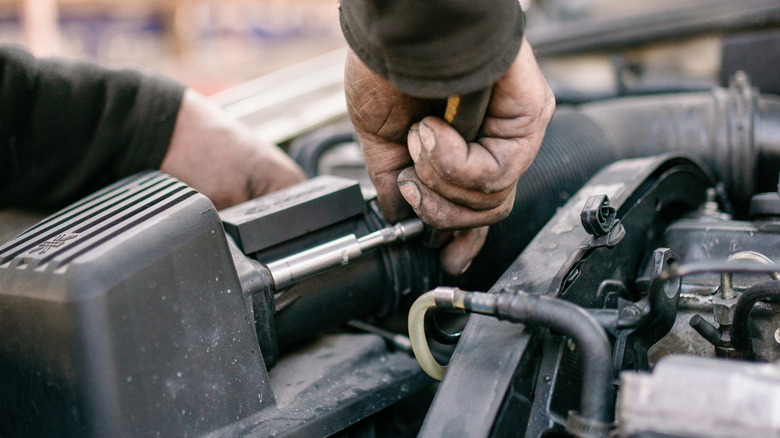
As the last traces of winter slush finally disappear and the morning frost gives way to the gentle warmth of spring, you may find yourself ignoring the subtle groans and decreased efficiency of your car. It's easy to put off important upkeep when the sun's out, but neglecting what freezing temperatures and road salts did to your car could cause some serious problems, and right in time for summer road trips.
The change of seasons is a great time to fix up all that wear and tear from winter. You don't need special knowledge or an expensive mechanic's hourly rate to keep a car healthy. By performing some seasonal upkeep yourself, you can significantly extend your car's lifespan, possibly improve its gas mileage, and save hundreds of dollars on labor.
There's a real satisfaction in opening the hood and taking charge of how your car runs, instead of just waiting for a warning light to tell you what to do. Before you head out on your next drive, think about doing some of these easy car maintenance projects.
Replacing the air purifier (cabin) filter
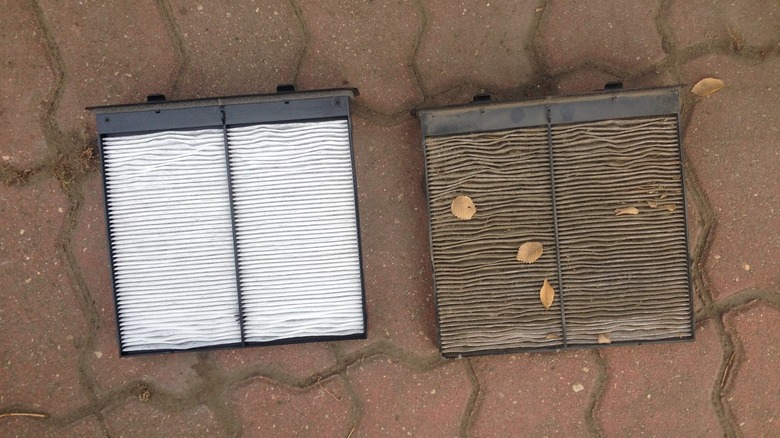
In most modern cars, replacing the air purifier filter is a quick, 5-minute job right behind your glove box, yet it's often one of the maintenance tasks people leave for a mechanic. Changing the filter makes sure the air you breathe inside your vehicle is free of spring pollen, dust, and other airborne gunk by placing a barrier in the outside-air intake and AC vents.
If you or your passengers suffer from allergies or breathing problems, this filtration is absolutely key for keeping the interior clean and healthy, especially when spring allergies get really bad. Replacing it regularly stops your HVAC system from working too hard, too. As the material gets full of dirt and debris over time, it creates a lot of airflow resistance in your climate control system.
A dirty unit also limits how much air can pass over your evaporator and heater core. So you'll probably notice less cooling and heating, weak airflow, and your windshield defrosting a lot slower, even with the fan turned all the way up.
Testing and replacing the battery
Winter driving sometimes means chloride deicers are used to clean snow off the road. These have things like sodium chloride, magnesium chloride, and calcium chloride in them, which really do a number on your car's electrical system. These chemicals are corrosive and can collect in the engine bay and undercarriage, where they break down metal layers and attack important electrical wiring, harnesses, and connectors.
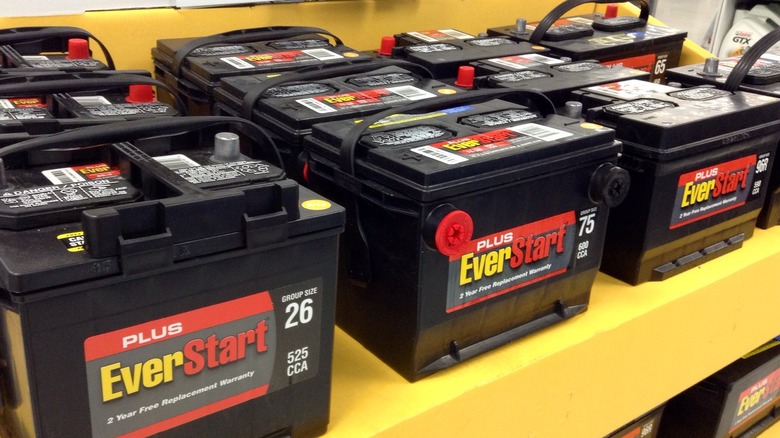
If your car battery is weak or keeps dying, you might need to replace it with a new one. Thankfully, you only need some basic hand tools and a few minutes to swap the battery. Making sure your 12-volt unit and starting system are in the best shape not only saves you from the hassle of needing an emergency roadside jump-start because of a dead power source, but it also keeps your car's complex electronic modules and telematics systems from having unexpected problems.
It's always a good idea to save money where you can. When you're thinking about a replacement, you should carefully look at your car's warranty information. Lots of 12-volt auxiliary batteries come with a replacement warranty for the first 12 to 24 months of service and sometimes offer additional coverage, possibly for small fee.
Replacing windshield wiper blades
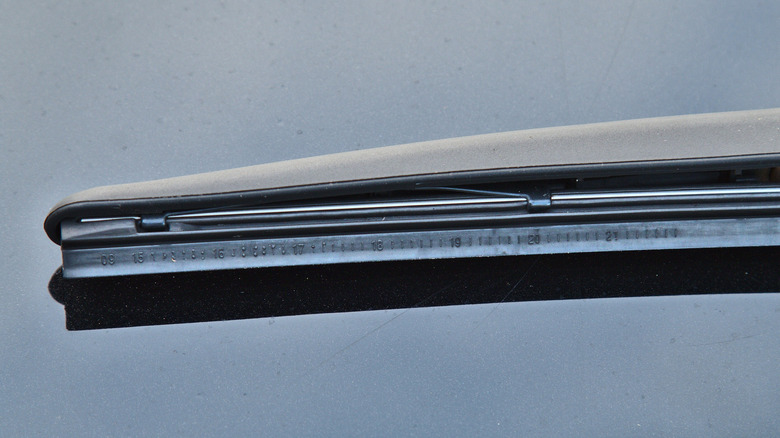
Windshield wipers are an important part of vehicle safety. They're there to clear away water, dirt, and anything else, making sure you can see clearly when the weather's bad. Just like anything else out in the elements, wipers they can get stiff over time, the rubber can tear, and they might start making loud noises or leaving streaks when it rains.
Eventually, even the best windshield wipers get old, and the rubber loses its bounce and starts to crack or get hard. If you hear them squeaking, chattering across the glass, or see them smearing, your blades are probably are done for. They're just not pressing evenly against your glass anymore.
You won't need any tools for replacing them: You just unclip the old blade from the arm and snap a new one right on. Start by lifting the wiper arm off your screen. Your car might have a hook-style, pin-style, or bayonet connector for the wiper blade. Usually, you just push a small lock tab and pull the blade assembly firmly towards the arm's base to get it out of its holder. After you've got the old, worn-out blade off, just slide the new one in until the tabs click securely into place. Carefully lower the arm back onto the glass, and you're all set to drive.
Replace your engine oil
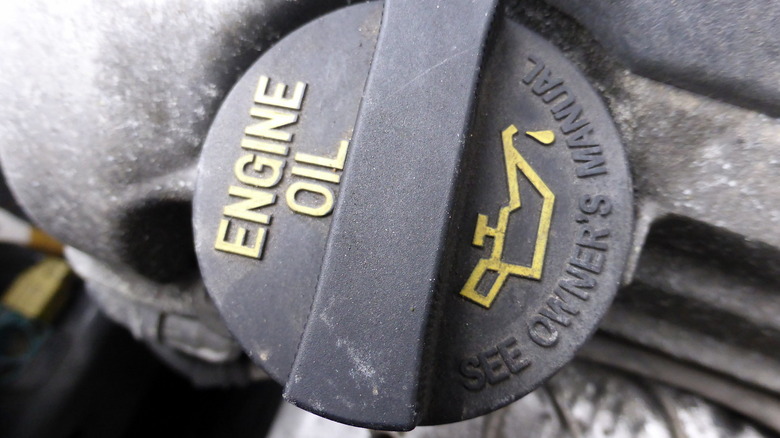
While it might seem a bit scary to crawl under your car, doing this important maintenance yourself is actually simple and feels really good. Replacing the engine oil yourself, you'll save money you'd normally spend on shop labor, and you can make sure you're using the good quality synthetic oils your manual suggests. You should look for the best motor oil brands, just so you're always putting high quality materials into your car.
Synthetics naturally have a higher viscosity index, meaning they stay stable through temperature changes and offer a strong protective film that prevents damaging metal-on-metal contact during freezing cold starts and when it's running hot.
Most importantly, you definitely don't want to go too many miles without change the oil. As you drive, your motor oil is constantly dealing with extreme heat and shearing mechanical force, eventually breaking down and becoming unable to lubricate the moving metal parts. When the oil loses its ability to clean surfaces, trap contaminants, and condition engine seals, it needs to be changed.
Replacing the engine air filter
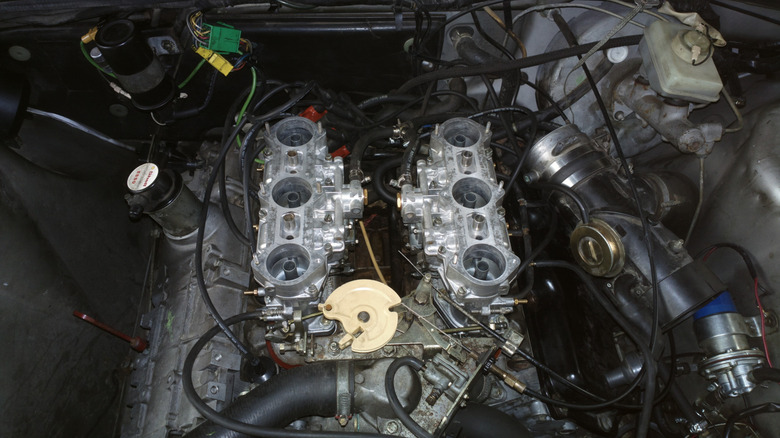
A clogged engine air filter can have a weird smell, but it also hurts your fuel economy. As your engine is running, it draws in a lot of air, which naturally carries dust, dirt, pollen, and microscopic debris. The main purpose of the combustion air filter is to stop this abrasive particulate matter from ever getting into your engine's internal cylinders. If these environmental impurities are not effectively caught by the filter's pleated paper media, they act exactly like sandpaper on your engine's very sensitive internal components, drastically speeding up the wear and tear of pistons, cylinders, and bearings.
Over time, as it does its job, the filter gets choked with the dirt it traps, which can heavily restricts the airflow your engine needs to breathe and operate efficiently. This airflow restriction creates a major operational bottleneck that messes up the delicate air-to-fuel ratio.
To replace the engine air filter, often you only need to unclip a plastic housing under the hood and replace the old filter with the new one. It's a lot simpler than it seems, and you don't need a mechanical background.
Underbody salt-flush cleaning
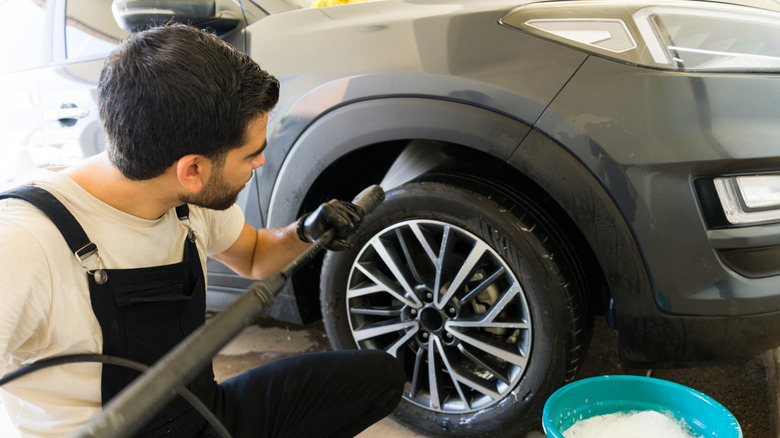
Some manuals suggest cleaning your car's underbody with plain water, as doing so gets rid of corrosive road salts and mud that could cause rust to form in your frame and floor pan. While treated winter roads keep you safe from snow and ice, the chloride-based deicers and rock salts used by cities tend to stick to your vehicle's metal surfaces. If you don't get these materials off quickly and completely, serious corrosion will take over crucial underbody parts, including the chassis, floor pan, exhaust system, brake lines, and fuel lines.
Letting mud and salt build up could also jeopardize your vehicle's perforation corrosion warranty, which often covers rust-through holes in sheet metal panels, but only if you've followed its washing and maintenance rules.
To clean the salt off a car's undercarriage, grab a hose with a high-pressure wand or an undercarriage cleaner attachment and aim a steady stream of plain water under your vehicle. Be sure to rinse out any hidden spots where mud, slush, and debris tend to gather.
Topping off engine coolant
When spring arrives and temperatures climb, you really don't want to get stuck with an overheating engine. An easy way to prevent that stressful situation is to check the coolant level in your car's reservoir tank. Coolant, which is usually a mix of ethylene glycol antifreeze and water, is crucial because it moves intense heat away from your engine block, stopping major breakdowns.
You will know when to change your coolant by checking on it. This is a simple, five-to-ten-minute maintenance task that anyone can do by themselves. Before you start, keep in mind that you should never try to open a hot radiator or reservoir cap. Your car's cooling system works under high pressure, and opening it when hot carries serious own risks.
To add engine coolant, park your car on a level surface, turn off the ignition, and let the engine cool down completely. Wait at least thirty minutes before opening the hood. Once it's safe, find the coolant reservoir, which is typically a clear plastic overflow tank connected to the radiator with a small hose. If the fluid is below the minimum mark, it's running low and needs a top-off right away.