

5 Common Problems When Using Concrete Drill Bits
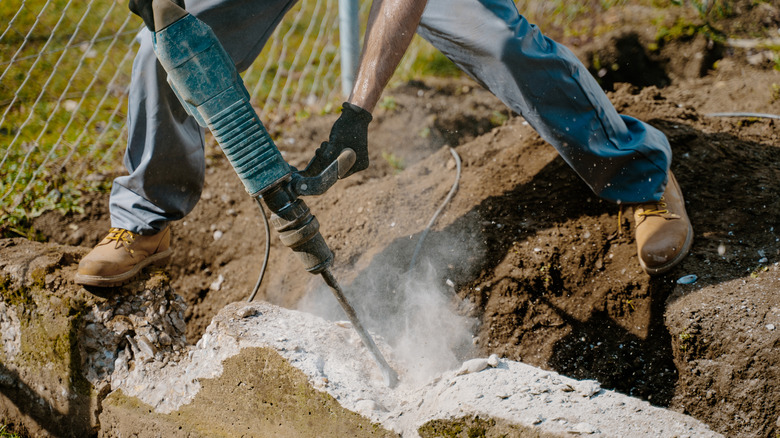
The concrete drill bit is a crucial asset in the toolboxes of countless home improvers and professional builders. It exists within a range of specialty drill bits designed to expand the functional capabilities of your drilling tools. Naturally, drills also come in a wide range of styles and specific niche functions, so picking the right bits to match what you've got is important. However, even with the right gear, it's easy to fall victim to problems that often cast a shadow over this kind of work.
As a home improver living in a house made of block construction rather than timber, the masonry bit and heavy duty drill combination is a frequent friend in my repair and renovation projects. I've personally dealt with all of the issues listed below. They're very common, but also straightforward to deal with if you can identify them. With a little additional knowledge, you may find it gets pretty easy to avoid these kinds of setbacks altogether, too.
Drilling with the wrong clutch setting or without hammer action engaged

When doing something like building flat pack furniture, fastening components with your drill can make things significantly easier. You might still leverage your own multibit screwdriver, a hand tool that keeps home repairs simple, but something battery-powered will just make everything go quicker. For this kind of use, a low clutch setting is important to avoid destroying delicate pieces. Not so much when drilling in concrete. For dense material, it's important to crank the tool all the way up to its maximum output to generate enough rotational force to bite into the workpiece.
It's also important to use a drill featuring a hammer function whenever possible. Most clutches on drills with a hammer action included add this at the top end of the setting ring's range. SDS drills, on the other hand tend to include separate settings for some or all of the tool's speed, torque, and hammer action elements. Dial up the power before drilling to avoid underpowered drilling that can damage the tool or bit and will almost certainly result in slow progress or failure to generate the hole you're trying to create.
Starting a hole clean
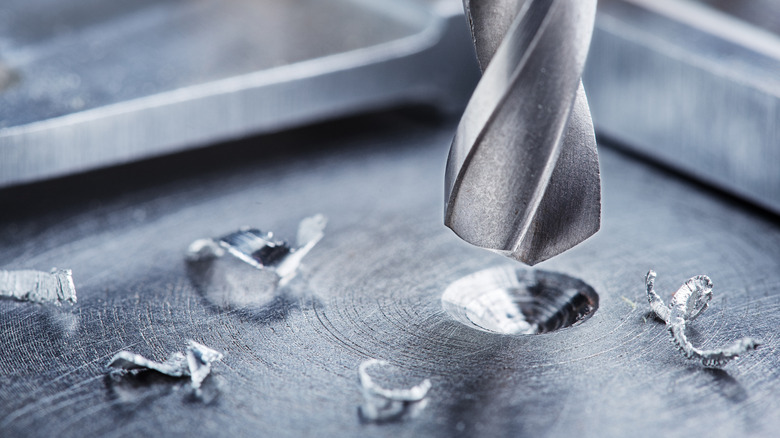
Even with the right tools and settings, starting a hole on a clean workpiece can sometimes spell trouble, especially for those with limited experience drilling into concrete. Bits designed to handle masonry and cement products don't feature the same nibs as brad points and other bits. There's no pointed, precision edge to help seat the bit into your workpiece to start the cut. These bits are naturally known to wander on operators, creating far less precision in the drilling process than most will be comfortable accepting.
Punch tools represent the most common workaround for this problem. They come in many forms, but they're all basically just hardened, precision chisel-style tools you can press or strike into the surface of a workpiece. Lining a punch up against the location of your intended hole and then striking it a few times to create a depression in the concrete surface gives your bit a precise guide to help start the operation more efficiently.
Applying too much pressure and drilling for too long without breaks
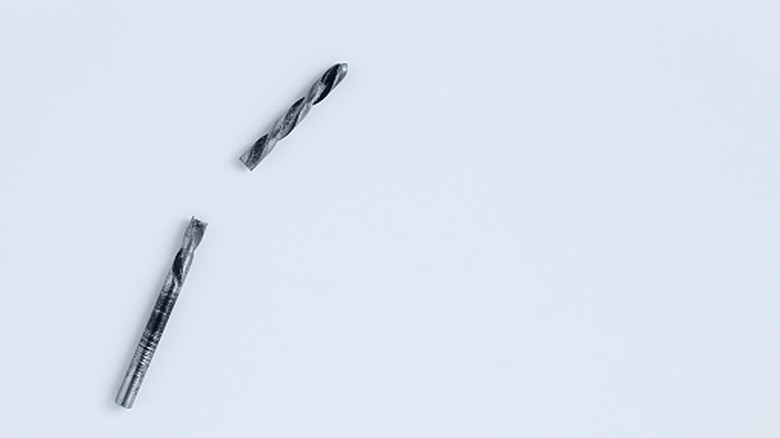
Pressure applied through your drill is frequently a bit killer. As with wood and other materials, applying too much to the drill can result in your bit snapping, and the thinner the bit the easier it is to break. As your drill works through a hole, it vibrates intensely as the chuck rotates, and applying pressure will add shearing force to the equation. Instead, trust in the bit and let the hardened teeth and spiral extraction geometry do the work for you. You'll cut a little slower this way, but the threat of losing your bit in the process diminishes significantly.
Another issue that comes into play when pressing too hard involves heat. Two important factors generate excessive heat in a drill bit, and lengthy drilling alongside the aforementioned pressure issue are key culprits. All drilling creates heat, but if you drill for too long without taking some time to cool the tool you may end up warping the bit or eliminating the tempering that hardened its steel construction. A softened bit can bend, break, or end up with stripped teeth or a blunted cutting head. Some time to cool between cuts or even a bowl of water on hand for lengthy drilling needs is all that's required to prevent this outcome.
Failing to utilize PPE and dust management tools

The need to protect yourself is always important, but it takes on new meaning when handling concrete drilling needs. Concrete basically shatters as you create a hole in it. The result is a violent outpouring of large and small pieces of debris as well as a huge volume of dust. Whether you're drilling into concrete inside or outside, it's absolutely essential to take your health and safety seriously. Breathing in concrete dust will irritate your lungs in a hurry, and in extreme cases operators can develop silicosis, a potentially deadly lung disease.
Eye protection is similarly critical. Even when handling small drilling tasks in concrete elements, protecting your eyes from the flying remnants of the workpiece as they come zipping out of the hole will remove another common source of irritation and potential injury. Most power tool users have been guilty of working with their equipment without wearing proper eyewear, and that lax attitude often extends only as long as it takes to get hit in the eye with a tiny fragment of whatever you're working on with the tool. Finally, concrete drilling demands high intensity output, so ear protection is equally important to shore up your aural health, too.
Allowing bits to become dull
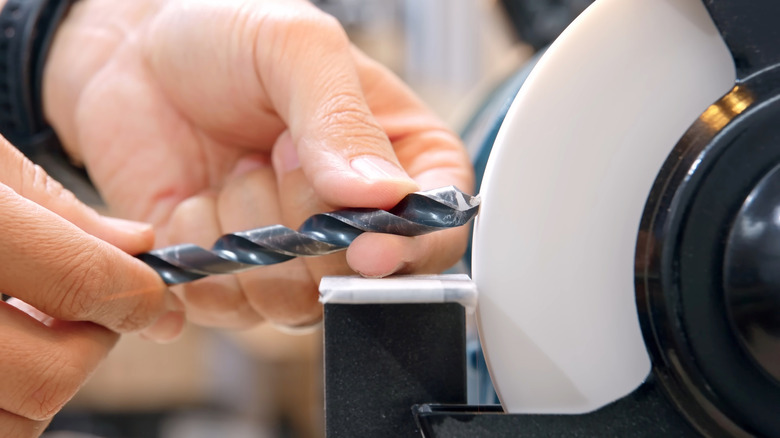
All drill bits that get called upon frequently end up going through the ringer. Even maintaining good habits with your masonry bits will eventually see them become dulled. It's certainly possible to continue using bits until they no longer function well, and then opt for single bit replacements to keep your collection current. However, another approach can save you a bit of money and keep that extra hunk of metal out of the landfill for a little longer.
Sharpening your drill bits can be done in a few different ways and can drastically extend their lifespan. Any kind of drill bit can be reconditioned with the help of a file, bench grinder, or other accessory tools, including concrete drilling bits. Re-profiling and touching up the teeth of your drill bits will allow them to continue cutting efficiently and quickly. A dull bit delivers a rougher cut and takes longer to finish the task. Fortunately, sharpening takes a short time and breathes new life into your cutting implements. The result is a drilling experience that's similar to new bit performance every time you approach a new task on your to-do list.