

4 Of The Worst Jobs To Use An Impact Driver For
We may receive a commission on purchases made from links.
Here's something you almost certainly know already: An impact driver is not a drill. That's not surprising, considering that the two have completely different names, and yet there are people who treat them as if they were. "Should I get a drill or an impact driver" threads are a common sight on online DIY forums, though the question is not as silly as it sounds. The job of both tools boils down to rotating a drill or driver bit.
The main difference between the two is that impact drivers add the titular "impact" to the rotational force found in drills, drivers, and combination drill/driver tools. When the impact driver starts encountering some resistance while fastening, the hammer inside the tool is engaged. This component hits the anvil, and through the rest of the mechanism, the force of the impact is transformed into extra rotation. This allows impact drivers to reach high torque levels while being easier on the hands.
That said, the impact motion is exactly what makes this tool a poor choice for projects that need precision and fine control, use brittle materials, or have other requirements. Here's a selection of common jobs that an impact driver is ill-suited for. If you're not sure what your tools are best at, you can often find more information on the manufacturer or retailer's website.
Any time you don't have an impact bit
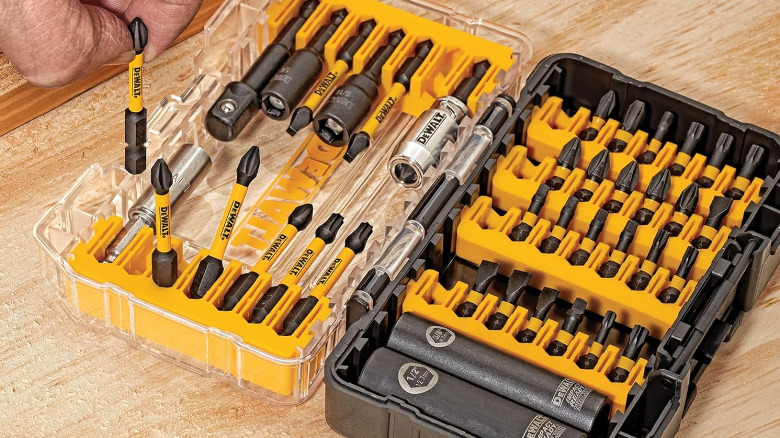
An impact driver requires an impact bit. Without one, you'll end up with a lot of broken bits. This shouldn't be an especially difficult issue to fix: Just make sure you have all the driver bits you need before getting started on a project. This Impact driver bits set from Amazon, for example, is quite affordable. That, however, is easier said than done.
One obvious tell is whether or not the bit fits in the impact driver to begin with. Impact drivers have hex (hexagon-shaped) receivers rather than chucks that can accept round bits. If the bit you found in a drawer has a round shaft, it's not an impact driver bit. But that's only the first superficial way to tell.
Even if it happens to fit in your impact driver, if you don't know if it's impact rated (and let's face it: if you aren't sure, it probably isn't), you should not use it. Err on the side of caution and use a regular power driver or a drill/driver instead. Only impact-rated bits are designed for the mix of impact and high torque of an impact driver. Other bits might deteriorate faster, but some users claim they've seen them outright shatter during use, too, which can be a serious safety risk.
Dealing with fragile material or screws

When you're dealing with delicate materials like small screws, brittle wood, or a miniature project of any kind, you will want to reach for a regular screwdriver, or even a drill with a clutch system, over an impact driver. The reason is simple: Overtorquing, imprecise fastening, and the hammering motion of an impact driver can easily overpower the material and ruin your project. You can risk stripping your screw heads, which could require the use of an extraction tool to get them out, while soft wood and similar surfaces can give in or even break.
With an impact driver, it can be hard to interrupt the fastening motion at the right moment, which can be vital when working with brittle material like drywall or ceramic tiles. A manual screwdriver or a low- to medium-power electric screwdriver might be the best option for especially delicate projects. Alternatively, drill/drivers with a torque clutch system are common, affordable, and can be used for way more tasks than delicate screwing.
Tightening that requires exact torque levels
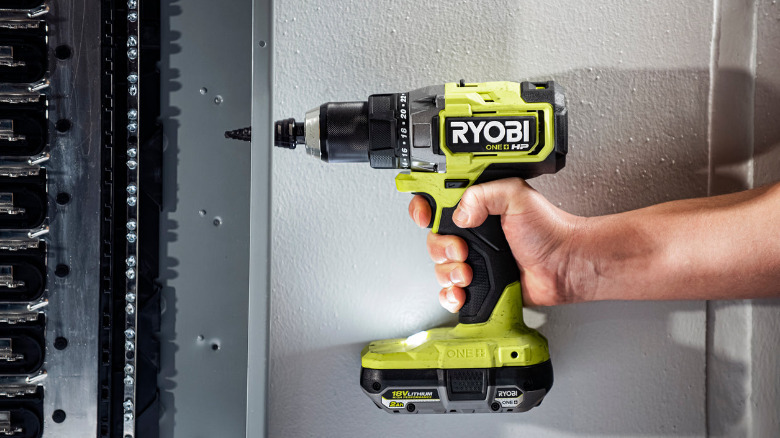
Some impact drivers offer a small degree of control over torque. However, you're unlikely to find the fine degree of control needed for many fastening tasks. The Ryobi 18V One+ 3-Speed 1/4" Impact Driver is a great example, with three speed modes that control max torque as well as max speed, limiting it to 400, 1,100, or 1,800 in-lb. That's not a lot of control, and most impact driver models don't even have that. As a comparison, Ryobi's (very affordable) One+ HP 18V Brushless Cordless Compact Drill/Driver that you can get from Home Depot has two speed modes that control max rotational speed and a 24-position clutch for fine-tuning max torque.
Drill/drivers don't often come with a guide on how to use the clutch, nor do they explain what torque level each clutch state corresponds to, but one thing is consistent across models and manufacturers. A lower number always means lower maximum torque, which is useful for delicate tasks or for when you need the drill bit or fastener to stop moving once it reaches a certain depth. Higher clutch numbers increase the maximum torque exercised by the drill/driver.
Keep in mind that the same number will correspond to wildly different results depending on the material: A clutch level of 10 or so will usually dig a screw some way into hard wood, but will absolutely destroy a piece of drywall. Also, the same number on the clutch for different drills will provide different results as well. At the end of the day, if an exact amount of torque is needed, you're better of using a torque wrench over a drill or impact driver.
Drilling, with some caveats
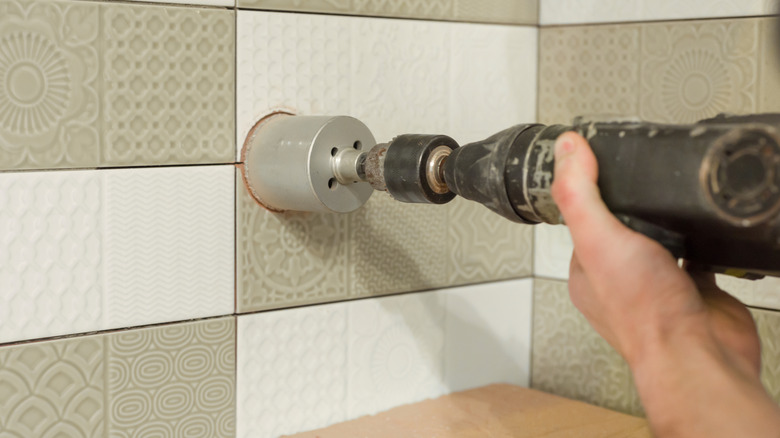
Some impact drivers can be comfortably used as drills, with the right attachments. As long as a drill bit fits into your impact driver, and you're fine with potentially damaging the bit and the material you're drilling into, and you're only attacking wood, thin metal, or similar materials, you'll be fine. Those caveats, however, can be a lot more disruptive than they sound.
You'll also have to keep in mind that non-impact rated drill bits will wear faster when used with an impact driver. You might need to invest in a product like this Milwaukee Shockwave Impact Duty Titanium Twist Drill Bit Set from Home Depot.
Then, there's the long list of tasks that are just not made for impact drivers. Drilling into concrete with an impact driver is not advisable, but what you really want to avoid is glass and similarly brittle material that will shatter when hit with too much strength. In short, you should bring along a drill when you expect to do some drilling.