

Can The 'Freezer Trick' Really Revive Your Power Tool Batteries?
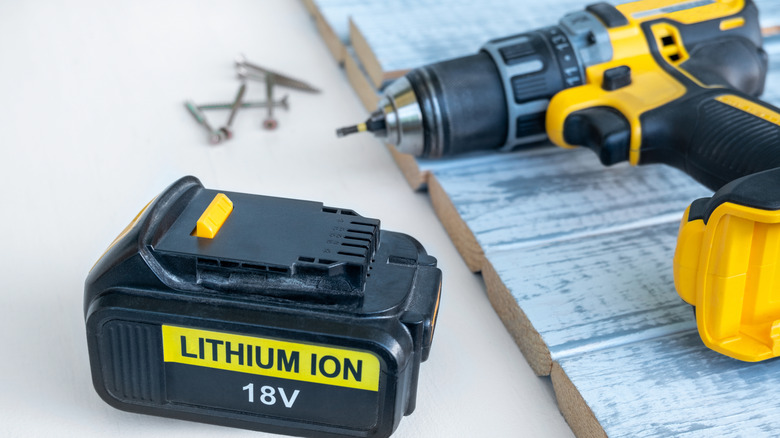
For DIYers and pros alike, upgrading from corded to cordless power tools means more freedom, less hassle, and little maintenance. But as convenient as these power tools are, they use lithium-ion batteries, which, like other tech, have a limited lifespan. Typically, the average lifespan of lithium-ion power tool batteries is roughly two to three years (or 300 to 2500 charge cycles). After that, they'll start experiencing common problems affecting power tool batteries, like overheating and reduced performance. Even worse, they may lose their ability to hold a charge or stop working altogether.
When this happens, if you're of the refurbish-or-rebuild school of thought, you might be tempted to revive the batteries using the "freezer trick". After all, why should you shell out hundreds of dollars for a new pack when some users suggest that you can bring a dead battery back to life by placing it in a freezer bag and leaving it in the freezer overnight? But does this common tidbit of advice actually work?
This hack originated with old nickel-cadmium (NiCd) batteries, which lose juice fast. People believed that putting a battery pack in the freezer would slow down the chemical reactions within its cells and make a battery last longer. There was some truth in this for these old-style batteries, but it was never going to revive a dead battery, and it certainly isn't true for modern-day batteries, which are made differently. Not only is the freezer trick risky, but it won't revive your battery either. Experts warn against exposing power tool batteries to freezing temperatures, as cold weather can impact the chemicals within the batteries, reducing your pack's performance.
Here's what happens when you leave a power battery in a freezer
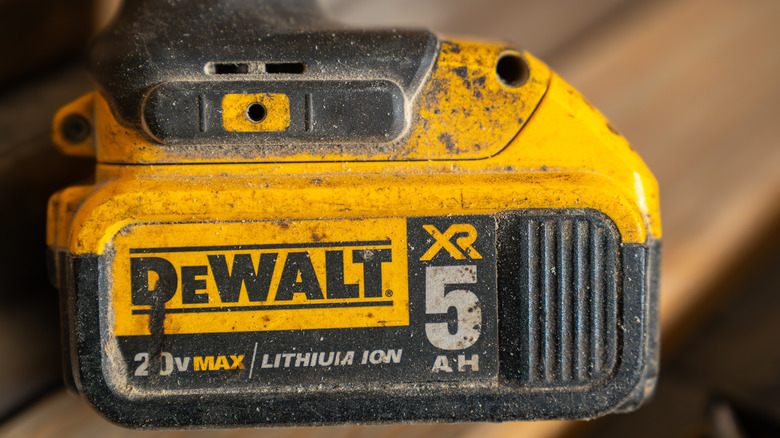
Power tool batteries, especially those from major brands like Milwaukee, are built to withstand temperatures as low as -4 degrees Fahrenheit (-20 degrees Celsius). But at the same time, just like other lithium-ion batteries, they don't like being exposed to such temperatures for a prolonged period either. After all, cold weather can kill your power tool batteries.
If you leave your lithium-ion batteries in a freezer, the extreme cold will slow down the chemical reactions that power tool batteries. Even worse, below-freezing temperatures will crack the internal components and trigger lithium plating. As a result, your battery will produce a weaker current and its capacity will decrease. For an avid DIYer, this means the batteries will struggle to keep up with your tool's demands, and if you're working on a tough project, your cordless drill or impact driver will either lose torque or stop mid-job.
Putting your power tool battery in a freezer typically means that you are exposing it to moisture. And unfortunately, the presence of ice and snow will increase the probability of moisture winding up in your batteries. In turn, this will increase the chances of internal short circuits when you charge the battery. Besides that, cold temperatures will also increase internal cell resistance, which will negatively affect your battery's charging time and, in the worst-case scenario, damage the battery permanently.
What to do to revive your power tool batteries
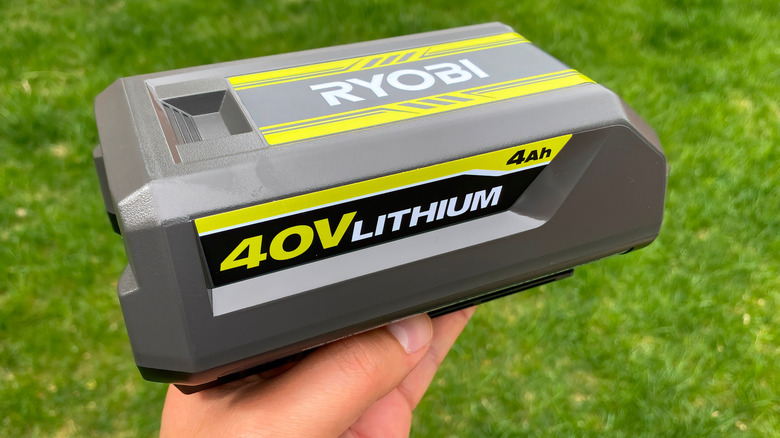
When your DeWalt or Makita power tool battery stops holding a charge, if you want to go down the DIY route to rebuild them, you don't have to freeze them. Instead, if you have the know-how and the right tools, you can open the packs up and swap the dead cells with new ones. However, it's worth noting that it's a tricky fix and you'll want to be extremely cautious. While it's possible to refurbish and rebuild failing power tool batteries, the dangers associated are not worth the risk.
Lithium-ion batteries are very sensitive to physical damage. As such, a single wrong move when you're taking the battery apart could lead to a case of fire or explosion. You might even expose yourself to toxic vapors that could lead to health issues. For this reason, if you see telltale signs your power tool battery needs to be replaced, instead of attempting a DIY fix, the best compromise is to seek the services of a pro.
There are many third-party companies that specialize in refurbishing and rebuilding power tool batteries. You just have to be careful because it's still not a safe bet. You might void your warranty, plus, there is no guarantee that the revived battery will match its previous performance and reliability levels. That's why most experts recommend purchasing new power tool batteries once your pack has reached its end-of-life.