

Why Most Car Collections Cost More Money Than You Think
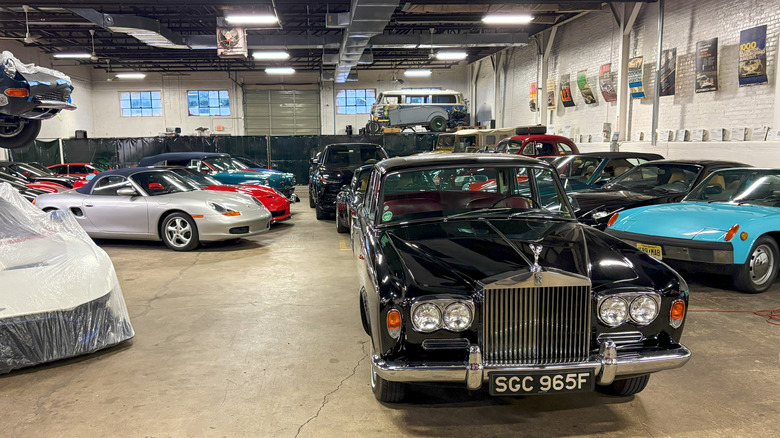
With classic vehicles like legendary 1990s JDM cars and modern performance hypercars alike now considered collectors' items, a new generation of enthusiasts has taken up the mantle of stocking their garages with their dream cars, joining the many already in the collector car business. Whether as investments, weekend toys, or daily drivers, car collecting certainly has its perks. But as anyone who swears by these vehicles will tell you, not everything is sunshine and rainbows. In reality, car collecting is one of the most expensive hobbies one can undertake.
There are many reasons one builds a collection of their favorite cars, though it almost always demands substantial up-front capital investment if it's not an inheritance. That's your most obvious money pit: these cars aren't cheap, nor are their parts (especially if the car is a hand-built classic). Aside from that, you have many other pitfalls, however — long-term storage, for instance, if you're not driving them regularly. And if you do drive them regularly, they need to be maintained, and the number of people who know their way around classics is sadly dwindling.
Even if you have the means or expertise to purchase and maintain your own car collection, there are still a few more issues to address. For example, where you store your vehicles, what you need to do to refresh them after sitting idle, and so on. Couple that with the specialized care required of certain vehicles, and the price adds up.
If your cars are sitting long-term
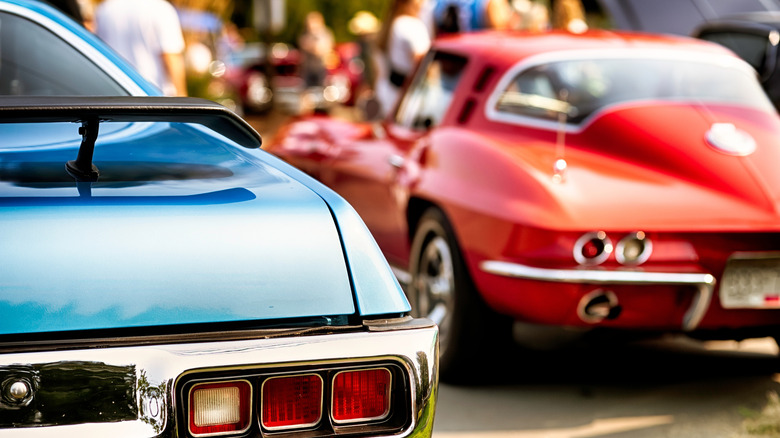
There are various issues associated with the long-term care of any car, let alone the sorts of niche cars that appeal to collectors. Some collectible cars require specific tires, like the Lamborghini LM002 and its Pirelli Scorpions. Others, like race cars and dragsters, might use their own compounds, which may deteriorate differently than standard tires. So if you have a race car that's parked throughout the whole winter, the tires may develop bald spots where the car's been sitting.
Of course, various products exist to help mitigate or eliminate the pitfalls one might encounter with long-term vehicle storage. For instance: battery maintainers, fuel stabilizers, car covers to protect against dust and paint fade, rodent traps, and so on. After all, the last thing you want is for a bunch of rodents to take up residence in your exotic car collection, or for the sun to shine through the garage and directly on plastic parts, warping and fading their luster.
Moreover, there are other factors to bear in mind. For example, oil deteriorates over time due to temperature changes, so the oil needs to be changed every six months or so. Before you go to drive your car, you'll also need to make sure that all perishable parts, such as rubber belts and bushings, are in good condition. You may also want to consider humidity- and temperature-controlled storage environments, which naturally cost more than a simple driveway. Multiply these factors by the number of cars in a collection, and you can see how things quickly add up.
If you plan on driving your car collection regularly
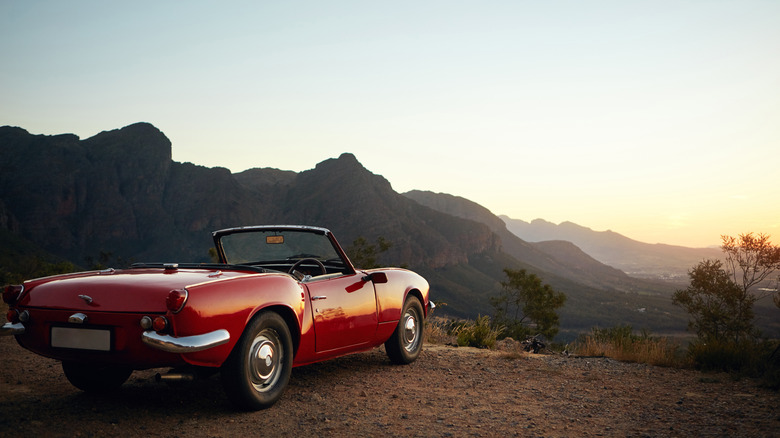
Obviously, driving your car regularly incurs costs as well, be it mechanical repairs, fuel, perishable components like tires and belts, or unforeseen circumstances like bodywork damage. All these will generally go up in price along with a vehicle's rarity, and even regular costs like insurance are significantly higher for specialized luxury and high-performance cars. And, like any car, they will need regular maintenance, which will likely be more expensive the more complex or rare a car is. Good luck finding car parts for rare JDM machines if you live in the U.S., for example, which is a factor to consider if you're looking to buy your dream JDM car.
These problems compound on top of others if you happen to collect classic cars. The older a car is, the more potential there is for rusted, worn-out, and damaged components. All these parts cost money, and you may end up paying a premium if you're looking for OEM parts to maintain your vehicle's originality. Obviously, it's not impossible to drive classic cars regularly, but the wear and tear should be considered alongside other factors, including the fact that they may not be as fast or safe as modern cars.
It's certainly not impossible to daily drive exotics or classics, though it becomes significantly more challenging if you collect them, so you'll often run into a combination of all the aforementioned points (and their respective expenses). Either way, expect costs to run deep into the thousands per year to maintain even a modest car collection.