

4 Things You Didn't Know USB-C Could Power
We may receive a commission on purchases made from links.
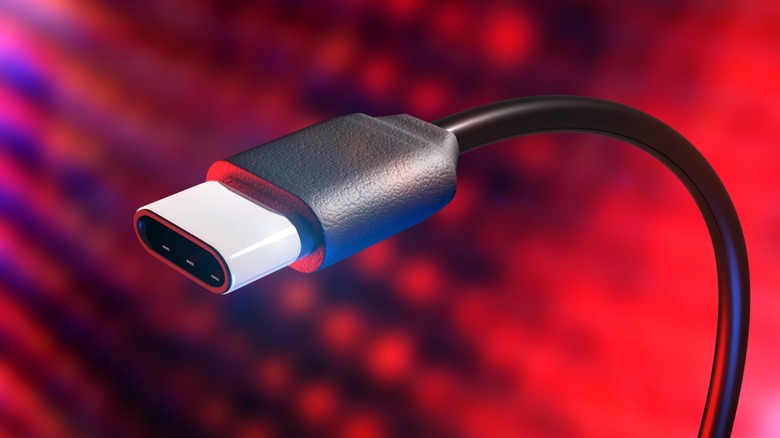
If you own a relatively recent model of an iPhone, or basically any Android phone from the past decade, you'll notice it uses a reversible charging connector. That's USB Type-C — the modern replacement for Apple's Lightning, Micro-USB, or the much larger USB-A port you find on computers. Apart from offering the convenience of being a reversible connector, USB-C has a hoard of other benefits, including massive jumps in data transfer and charging speeds.
Most laptops also ship with at least one USB-C port and some, like the MacBook Air M4 that we reviewed, come exclusively with said port for connectivity. You may also have heard of USB Power Delivery, which is another bit of technology that the USB-C interface unlocks, offering you up to 240W of charging speeds on compatible devices. The idea behind the new port, besides advancing the connection spec between devices, is to universalize a single type of connector for all gadgets.
Smartphones and laptops have already switched over to USB Type-C, and you will also find the port on accessories like wireless earphones, power banks, and game controllers. If you're curious about other applications of USB-C, read on to discover gadgets you might not have known can be powered by the connector.
Travel Wi-Fi router
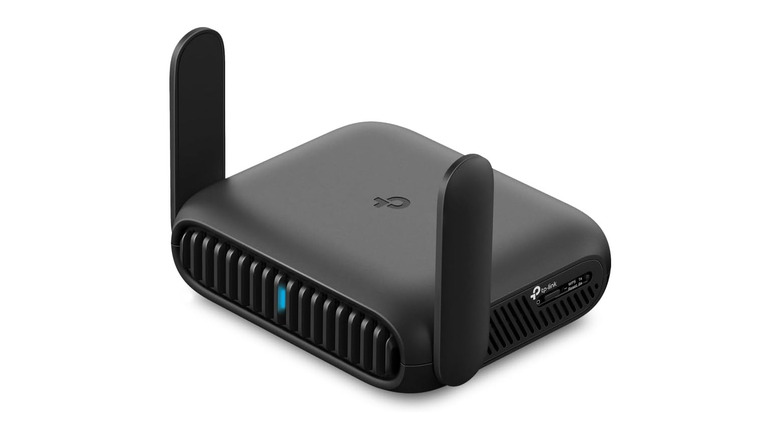
A Wi-Fi router is typically not a gadget you move around much, which is why most of them ship with a power adapter that uses a DC barrel connector. However, there are some instances where the concept of a travel router makes sense. If you're on the go, you can use a USB modem with a compatible router to instantly create a private Wi-Fi network that all your smart devices can access.
For camping trips or road adventures, this is a much better way of staying connected online than relying on your phone's hotspot connection, which ends up draining a lot of battery. There's a decent market of travel-oriented Wi-Fi routers, and a few of them, like the TP-Link BE3600, use a USB-C cable for power. This allows you to run the router directly off a power bank. Some feature USB tethering that takes the burden of creating a wireless network off your phone.
By creating a network of its own, a travel router also reduces the number of times you need to access a hotel Wi-Fi's login page. This way, you only sign in to the public Wi-Fi portal once, and the rest of your devices connect to your travel router instead of the public network. This also strengthens security if you set up a VPN to encrypt your internet traffic. Being powered by USB-C is a plus, since you won't need to carry around a bulky power adapter.
Digital microscope
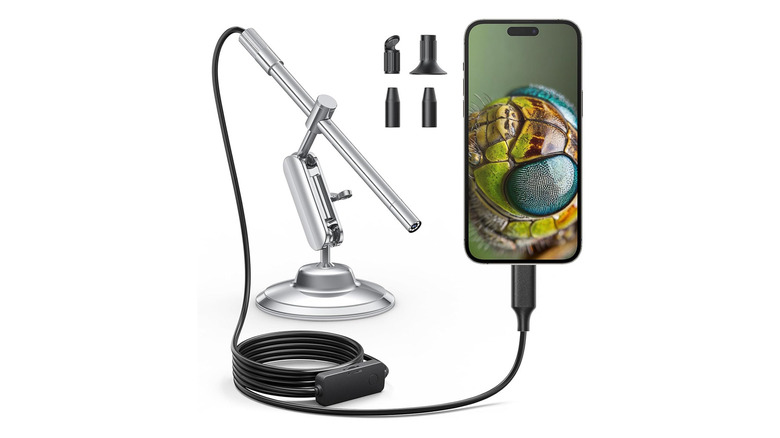
Microscopes generally have the reputation of being bulky, fragile pieces of equipment that are confined to laboratories or classrooms. Optical microscopes that rely on high-quality lenses do produce images of better quality, but digital microscopes offer a better blend of portability and ease of setup. For hobbyists or people who enjoy performing DIY repairs on electronics, a digital microscope can not just be inexpensive but also offer useful features like a digital display.
The Plugable USB Digital Microscope connects to a computer or smartphone with its attached USB-A and USB-C hybrid cable. It uses a webcam chipset and sensor and therefore functions like one when plugged into a Windows or macOS computer. It's also compatible with Android and iPadOS once you install the third-party companion app, but doesn't feature support for iPhones.
Digital microscopes like this one can be powered directly via your smartphone or laptop through a standard USB-C connection. They come with LED lights, brightness adjustment, and a wide range of magnification so you can get your images just right. The Teslong Digital Microscope is another good example that features power and connectivity via a USB-C cable that you can connect to your Windows, macOS, Android, or iOS devices.
Audio and video equipment
Monitors largely use the HDMI or DisplayPort interface to connect to laptops or desktop PCs, but you may have seen a wave of USB-C monitors hit the market. Beyond simply offering a physically smaller connector than HDMI, USB Type-C monitors often come with support for Power Delivery. This eliminates the need for you to plug in your laptop to a power source altogether. In essence, a single USB-C cable can carry the video signal from your laptop to the monitor while also supplying your laptop with charge.
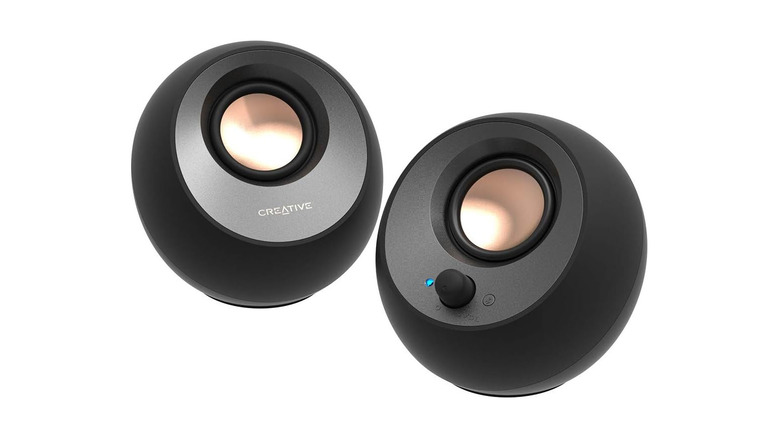
There also exist USB-C-powered speakers, like the Creative Pebble V3. Now that most laptops and even some desktop PCs come with USB-C ports, being able to connect a pair of speakers and also power them via a single port simplifies things. Modern DSLRs and mirrorless cameras also feature USB-C ports, which can be used for a few different things. You can connect your camera to a computer and use it as a high-quality webcam, view a live preview on a larger screen, or simply charge your camera's battery through its USB-C port.
Other equipment, like auxiliary lights, can also be powered or charged via USB Type-C. You have gimbals like the DJI Osmo Mobile 7 that juice up via the same cable that your smartphone uses. By adding a USB-C interface to microphones, it's much easier to connect them to smartphones and instantly level up your audio recording game.
Mini appliances and gadgets
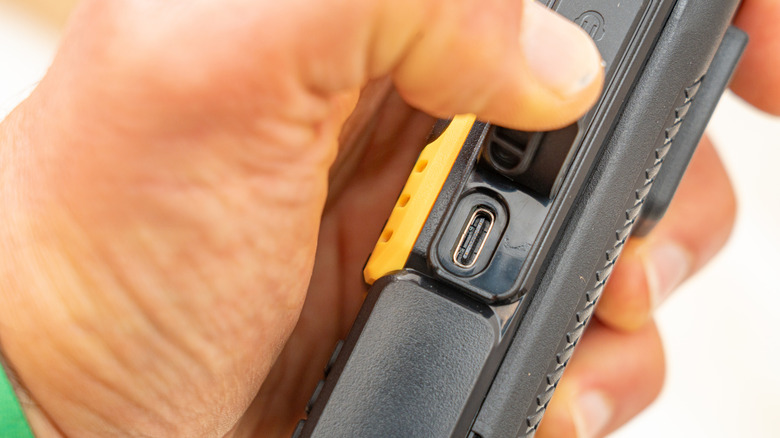
It's true that the USB-C interface's true strengths shine when it is used in devices that require blazing quick charging speeds or copious amounts of bandwidth. However, at the end of the day, it can essentially be used to power just about any kind of gadget. So, the next time you're in need of an appliance or smart device, check to see if there's a model from a brand that comes with USB Type-C. This ensures ease of connectivity and future-proofs your buy.
Examples include electric lighters, portable fans, electric screwdrivers, and portable car vacuum cleaners. Gadgets like these simply need a means of power, and USB-C is more than capable of fulfilling that requirement. Though their USB-A or micro-USB counterparts function just as well, going with a USB-C alternative saves you from the hassle of carrying around a separate cable just to power or charge one gadget.
Thermal printers like the iDPRT MT610 Pro can connect to your laptop or phone via USB-C. They are inkless printers that rely on thermal paper and heat instead of traditional ink cartridges that need frequent restocking. You can connect to the printer via Bluetooth and print wirelessly. When the battery runs low, the supplied USB-C cable can charge the thermal printer.