

Can A Motorola Foldable Do What Samsung And Huawei Couldn't?
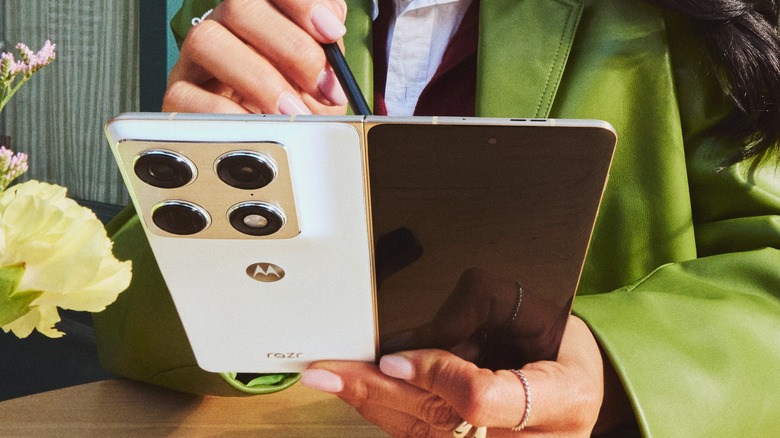
Motorola has been making foldable phones since 2019, but so far, the company has kept its focus tightly locked on the clamshell form factor. The move was not surprising, as the company revived the iconic Razr brand and kept iterating on it, while the competition moved to bigger foldable devices that embrace the phone-tablet hybrid formula. At CES 2026, Motorola has finally lifted the covers from its first book-style foldable phone, the Razr Fold.
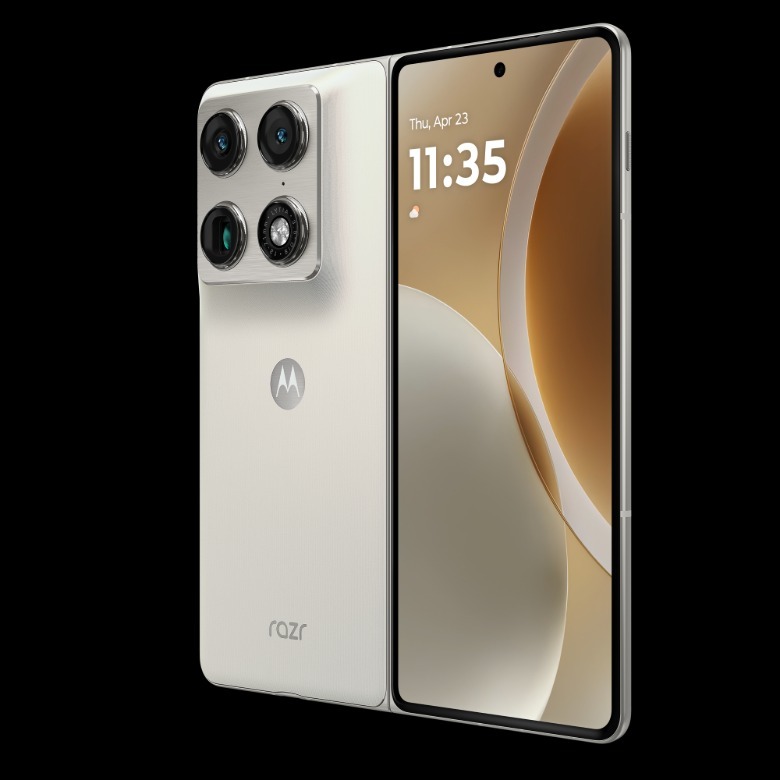
At first glance, it looks like your average foldable phone, but the metallic sides in a contrasting brushed finish, a large camera hump, and the batwing branding give it a bit of a unique identity. Motorola hasn't shared the dimensions of this phone, so it's hard to say whether this phone will be as slim as the Samsung Galaxy Z Fold 7. But in the realm of foldable phones, thinness is the most cherished aspect. It's accessibility and software experiences.
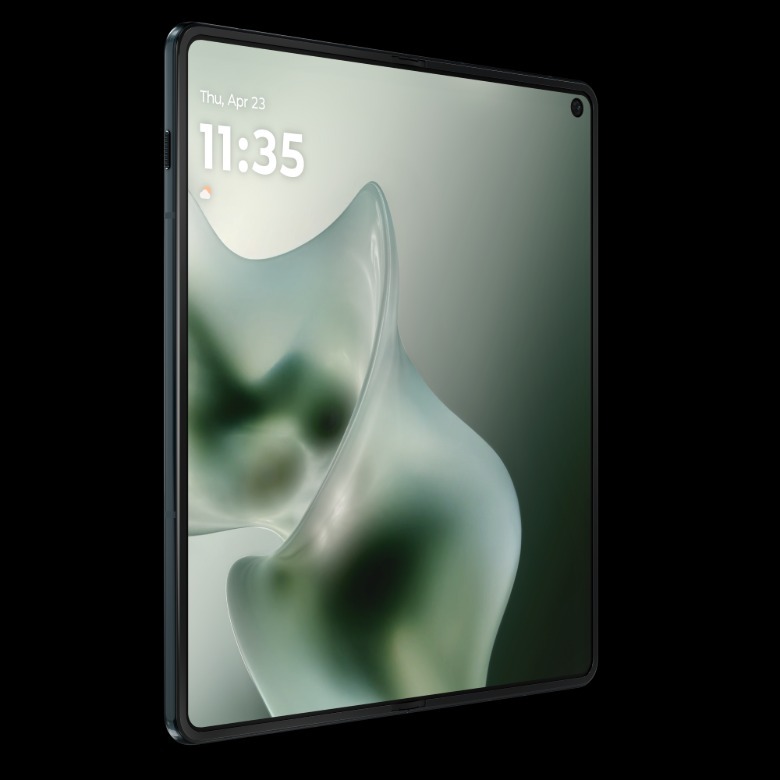 Motorola
There is little official clarity on either parameter from Motorola. The company hasn't even shared what silicon powers its upcoming phone. But whatever little details the company has shared so far, they paint a rather promising picture of the Razr Fold. Take, for example, the triple rear camera array, which follows in the footsteps of mainstream phones such as the Google Pixel 10 Pro and the iPhone 17 Pro, thanks to an all-big-sensor approach.
All three cameras rely on 50-megapixel sensors, and the zoom lens relies on a periscope mechanism that delivers a 3x optical zoom range. The selfie duties are handled by a 32-megapixel sensor on the cover screen, while a 20-megapixel camera sits in the corner of the inner foldable panel. It's one of the most competitive camera hardware you will get on a phone in the U.S. standards, even when compared against mainstream heavy-hitters.
It could tip the scales
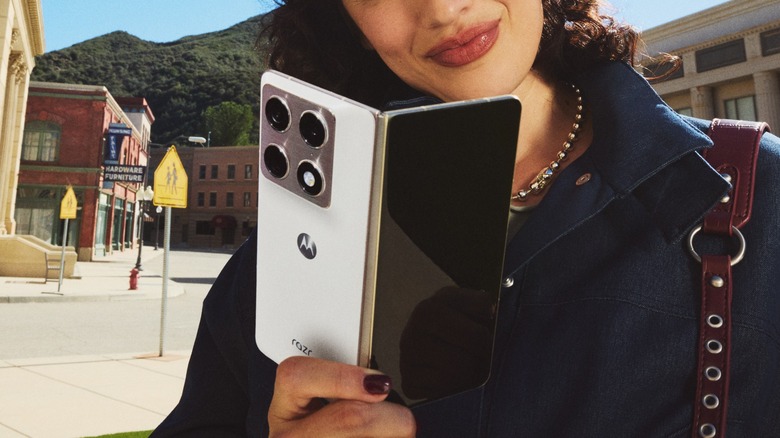
A foldable phone is not all about the cameras or flashy design. You are spending top dollars for a standout experience, particularly with an expectation of added productivity. Motorola appears to be aware of that. On the Razr Fold, users will get support for stylus input, making it one of the rare foldable devices to offer this convenience. And it's not one of those tiny, utterly slim stylii that hurt your hands after a few minutes of scribbling. Instead, Motorola's stylus appears to be closer in size to a regular pen, making it a perfect companion for the flexible 8.1-inch 2K LTPO display.
 Motorola
On the software side, Motorola is promising flexible layouts and adaptive interfaces for apps, and enhancements to the multi-tasking experience. But the real litmus test is going to be the asking price. The likes of Samsung, Huawei, and Google will have you spending nearly $1,800-$2,000 for their foldable phones – for example, the Galaxy Z Fold 7 – or half of that for clamshell folding phones. Motorola, on the other hand, has offered its foldable phones at a much lower price. You can officially buy the 2025 Razr at $650. If Motorola can continue with that pricing strategy, there is a high chance that the company can deliver a knockout foldable phone experience without nuking the wallets of buyers.
Right now, the smartphone industry is in a rather weird spot. Owing to the high demand from AI data centers and the resulting supply crunch, the price of RAM has skyrocketed, and reports indicate an almost inevitable price hike coming this year. Assuming Motorola somehow managed to leverage the supply chain clout of Lenovo, its parent company, and stockpiled memory chips, it could theoretically avert the price hike. And if the company succeeds at undercutting the competition from Samsung and Huawei, the Razr Fold seems like a recipe for success.