

AirPods Pro 2 Vs Pro 3: Are The New Features Really Worth The Upgrade?
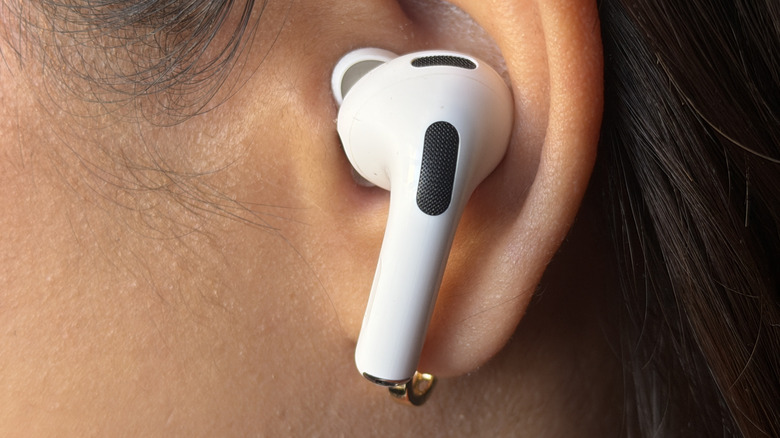
Apple's second-generation AirPods Pro have served me faithfully for over two years. And to date, they are still going strong. I haven't run into any mileage issues that would require a battery replacement. Their sound quality, transparency, and noise cancellation are still pretty impressive. My intention was to push them for a long spell, regardless of whether an upgrade hits the shelves. But when Apple announced the third-generation AirPods Pro and touted dramatic improvements in noise cancellation and sound quality, I made the impulse purchase. The $249 spending definitely stung, but I've been thoroughly impressed with the experience so far.
Now, my decision to plonk a premium on the AirPods Pro 3 was solely driven by the promises of an improved noise-cancellation experience and the lift in sound quality. But there are a whole bunch of other features that make the latest Apple earbuds worth considering. The design has been improved for a more snug fit, and location tracking has also been enhanced, thanks to a new chip fitted within the charging case. The per-listening time has also gone up with noise cancellation enabled, and the ingress protection was souped up to make them more resistant to water exposure.
Finally, catering to fitness enthusiasts, Apple equipped them with a heart rate sensor. The list of upgrades is pretty long, more so than an average generation-over-generation leap for Apple products. What follows is a detailed retelling of my experience with the AirPods Pro 3 and how they offer an almost evolutionary leap over the second-gen AirPods Pro.
They have surprisingly accurate heart rate sensing

This is one feature that I was most excited about. Now, I'm not exactly a gym rat. My daily workout is limited to running, cycling, elliptical, or at-home exercises. Moreover, ever since I got a poor cardiac health warning on a smartwatch, I have religiously kept track of my heart activity. The AirPods Pro 3 can do that for me, while allowing me to ditch the notification nuisance that comes from an on-wrist computing device. Of course, I was skeptical, but the accuracy of the earbuds' heart rate sensor took me by surprise.
Averaging out data across three weeks, the difference between resting heart rate readings from a Samsung Galaxy Watch 8 and the AirPods Pro was merely 1-2 beats per minute. After my usual morning runs in the nearby park, the average difference was usually 151 bpm vs 153 bpm between the two devices. The biggest surprise came during high-intensity workouts. After my sister guided me through a moderate session of chest workouts, the difference between peak heart values recorded by the smartwatch and the AirPods Pro 3 remained within the 2-3 bpm range.
The numbers mentioned above were logged after ending the workout session, and these results are more than acceptable. When I compared the heart rate logs over the entire workout spell on a graph, the heart rate sensor on the AirPods Pro 3 offered nearly 99% overlap, and they proved to be fairly accurate when there was a spike in heart rate. They did an equally fine job during the cooldown periods. What works in favor of the AirPods, perhaps even more so than a smartwatch, is that they maintain a continuous sensor-skin contact. With wrist-worn wearables, depending on the type and intensity of the workout, can see momentary gaps in recording.
Noise Cancellation
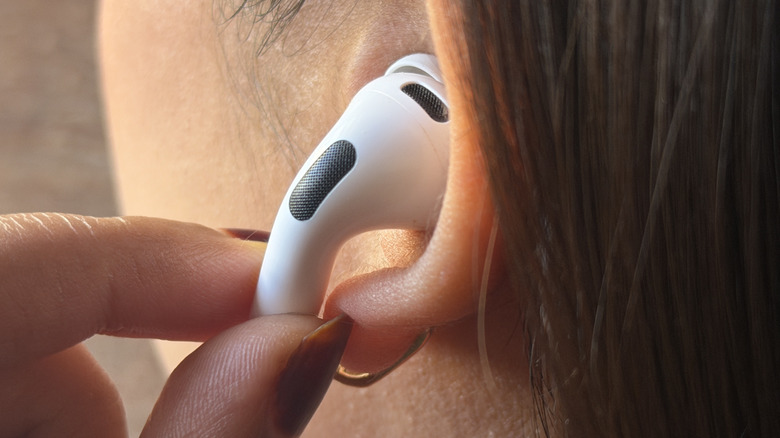
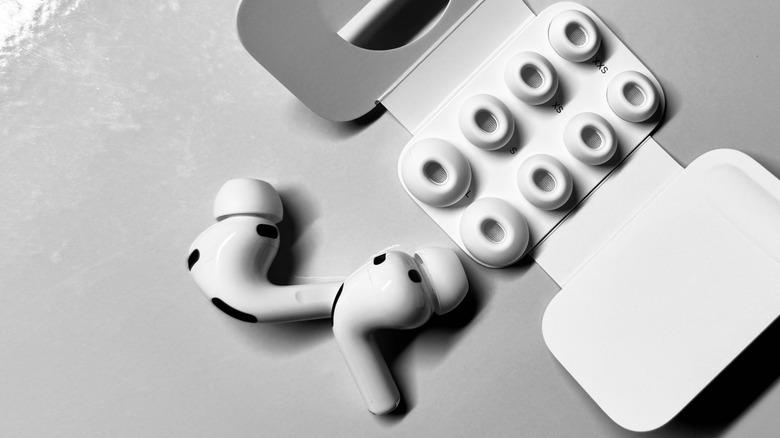
My first impression after pushing the AirPods Pro 3 on a crowded metro line was "whoa." I'd get them solely for the excellent noise cancellation. Now, there are multiple factors contributing to an obvious ANC lift over the AirPods Pro 2. Apple has slightly adjusted the design, shrinking the head area and adjusting the eartips' position. The result is a more snug fit that is less prone to the earbuds falling out of your ears. Additionally, the new foam-infused ear tips offer a tighter in-ear grip, and you can now get them in a new XXS size, as well.
The overall idea is to ensure a better ear seal for the best noise isolation. These changes actually deliver on that promise. But it's really the internal engineering that is doing the heavy lifting when it comes to filtering external noise. They don't quite completely drown out the hum from the engine of a turboprop passenger airplane. However, the AirPods Pro 3 came the closest to silencing the jarring sound as I've seen. Even with the volume levels set close to the 50-60% mark, the Apple earbuds completely silenced all noise signals moving through the cabin. Another massive perk is that when you enable the ANC mode, you don't hear the constant hiss that is often the case with noise-cancelling earbuds.
It's just a flat toning down of the surrounding audio signals. While sitting in a local cafe blasting Bob Dylan tunes, the AirPods Pro 3 only let in a faint hum. And with music playback enabled at 40-50% levels, the earbuds drowned the speaker noise as well as the chatter of people at the tables around me. If you pick the right ear tip fit and personalize the audio output from within the settings, the AirPods Pro 3 will deliver an unparalleled noise-cancelling experience.
Audio excellence
I've always preferred the sound output from Sony earbuds owing to their dynamic sound signature, wider soundstage, and thumping bass. A whole bunch of other audio labels are increasingly focusing on bass as the holy grail of audio excellence, even if it comes at the cost of instrumental clarity and sonic chaos. The AirPods Pro have taken an extremely balanced approach to audio output, so far, at the cost of sounding less vibrant compared to the Sony or Bose rivals. With the AirPods Pro 3, Apple has adjusted the acoustic architecture, and there is a discernible improvement in the bass sensitivity.
Listening to Mabalash by Abyusif, I could easily discern the delicate bassline without any muddying in the highs or the synths. The same track, when crooned by Hamaki, delivered more pleasing highs on the AirPods Pro 3. To put it in simpler terms, the listening experience is more refined, immersive, and enjoyable than the AirPods Pro 2, which focused more on the instrumental and vocal clarity at the cost of subdued bass. The soundstage also feels a tad wider on the third-generation AirPods Pro.
The only difference I felt was that the AirPods Pro 3 favor more clarity, and in the process, as you raise the volume, a few frequencies start to sound a tad more jarring than what you get from the AirPods Pro 2, as they churn out slightly warmer audio out of the box. It's hard to quantify just how much better the listening experience is, because we all have different natural calibration, sensitivity to specific frequencies, and preferences. Furthermore, if you've dug into the audio customization options to enable headphone accommodations after the ear test and change the audio balance, the experience is going to be even more different.