

5 Luxury Car Features Worth Looking For In Your Next Upgrade
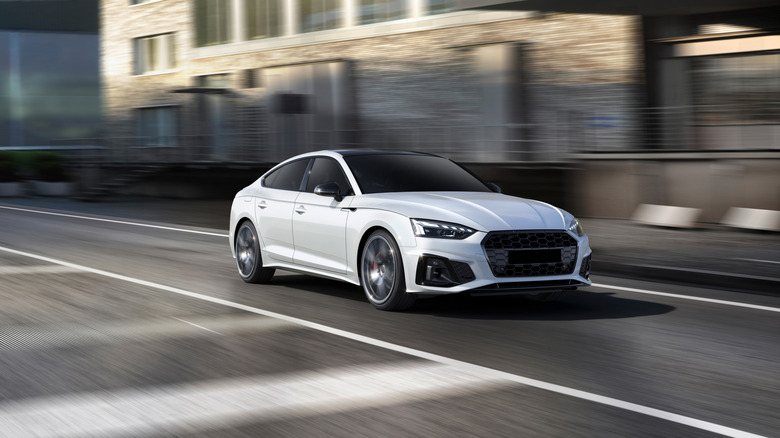
You might think luxury cars are just regular cars that command a higher price tag. But they're so much more than pricey rides: They're the ones that reinvent everything you thought you knew about a car. It's the way it handles on the road, the feel of the ride, and the unique details inside and out that make driving a pleasure. A luxury car is everything a car should be, with features you might not have thought were possible.
As you're exploring options for your next new ride, you might come across some surprising finds in the luxury car market. Some of the best tech or most unique features aren't widespread just yet and might be limited to a handful of makes or models. But as interest grows, so can their availability — and they might set new standards for future cars. These five thoughtfully added details deserve a spot on your radar. Once you experience them firsthand, they're likely to become a top priority in your next upgrade.
Customizable fragrance dispensers

For decades, luxury brands have used scent as part of their marketing strategy. Some luxury car makers, like Mercedes and Lincoln, have taken scent marketing to new heights by integrating it within the cars they build. Only this time, the driver chooses how their car smells.
In-car fragrance dispensers are part of a multi-sensory luxury experience. They typically involve an atomizer or diffuser embedded in the car's HVAC system, hidden out of sight but never out of mind. These systems release fine vapors at intervals, based on how you personalize them. Mercedes calls it Air Balance, which purifies the air using charcoal filters and ionizers in select models. Fragrance is optional and lets the user choose from four different scents. The Lincoln Nautilus has a digital scent system that uses curated fragrance cartridges under the center armrest. Rolls-Royce and Genesis offer similar systems, but the message remains the same: Luxury is about prioritizing all the senses, not just the look and performance of the vehicle.
Biometric door locks

Biometric technology has been around for a while. It uses your body's unique cues (like your fingerprints or face) to give you access to devices or even spaces. And now, automakers are adapting the technology to help you protect your car. Biometric door locks work in a similar way to the biometrics on your phone. They're replacing traditional car keys or fobs by identifying you before unlocking the vehicle or allowing you to start it. This way, only authorized users can access your vehicle.
Luxury car makers have gained a reputation for making the driving experience personal. This is a natural next step in that differentiation. For example, the Genesis GV60 uses a built-in fingerprint sensor and Face Connect (a form of facial recognition technology) to unlock doors and start the vehicle. Even some non-luxury cars, like the Hyundai Santa Fe, have experimented with this technology by offering a fingerprint-based smart key system. The goal is to improve security, since biometric traits are hard to duplicate, plus you don't have to worry about carrying (and possibly losing) a key or key fob.
Thermal imaging technology

Deer are responsible for more than 2 million car accidents each year, and many of these accidents happen at night. They're not always easy to see, and when they get spooked, there's no telling where they'll go next, even if it means stopping right in front of your vehicle. This is bad news for luxury car owners, as repairs from collisions are usually more expensive. That's why automakers are finding ways to fight back against roadside threats and give you a better heads-up.
One solution is thermal imaging technology. These night-vision-like systems let drivers see heat signatures on dark roads. Whether it's a person walking on the side of the road or a deer waiting in the wings, infrared cameras capture warm-blooded hazards before you'll be able to see them with your own eyes. They detect heat rather than relying on visible light, so they can show you potential threats even in total darkness. Many cars are integrating this technology: Audi A8, BMW X5 and X6, Mercedes-Benz S-Class, and Porsche Cayenne, to name a few.
Self-closing doors

If you've ever been the victim of a dead car battery because someone didn't shut the door all the way, you'll immediately know the value of a self-closing door. These doors require very little effort to close, no slamming required. If all you can give it is a soft bump with your hip, the door will do the rest. It's a helpful feature when your hands are full or when you have little ones who don't understand the connection between an open door and a dead car battery.
As a luxury feature, self-closing doors offer a quieter door-closing experience. There's less wear and tear on door latches, and you never have to second-guess whether the door is completely closed. Mercedes-Benz, BMW, Genesis, and other automakers are incorporating this feature into various models. There's a bit more engineering to it than you might think, since the process involves motors and sensors. This complexity adds to the cost, but it might be well worth it if it means never having to experience the inconvenience of a dead battery because a door didn't shut properly the first time.
Advanced infotainment systems
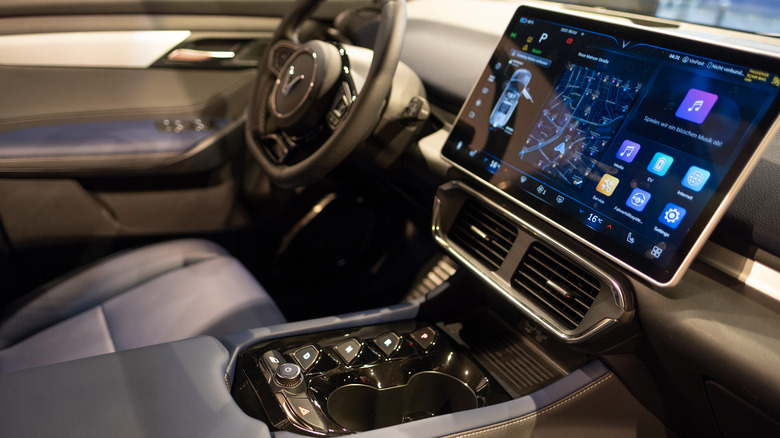
In-car entertainment is nothing new, but luxury automakers continue to push the envelope of what entertainment looks like on the road. Companies like Tesla, Lincoln, and BMW are leading the charge with advanced infotainment systems, combining entertainment with essential information that keeps you connected and engaged no matter where you travel.
More than simple dashboard screens or radio features, infotainment systems offer everything from streaming services to gaming systems to voice-controlled technology and more. It's part information hub, part media space, and it puts every digital convenience within arm's reach. We're talking curved theatre-style screens, touchscreens, HDMI connections, Amazon Fire TV integrations, Bluetooth, and surround sound. Streaming music and video, over-the-air updates, hands-free navigation, AI-powered voice assistants, and even full gaming setups are just a few examples of features you might find. It sounds like a case of distracted driving waiting to happen, but since most of these systems include hands-free controls, accessing what you need can be as simple as speaking a command out loud.