

3 Disadvantages Of CGI Engine Blocks
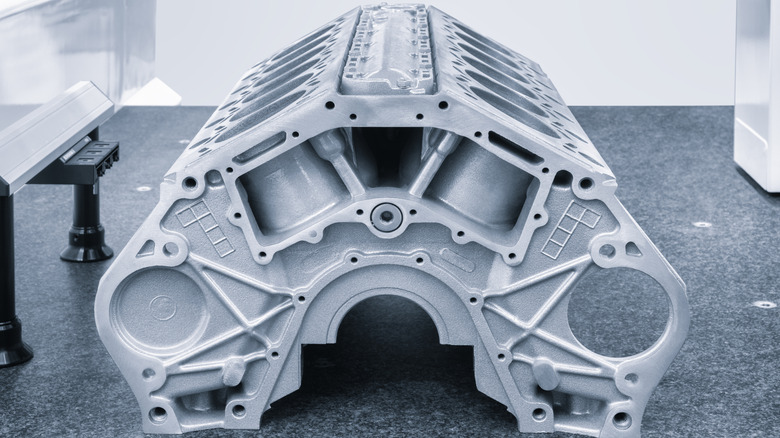
A vehicle's engine block can be made of various materials. The type of material a manufacturer may use can often depend on the type of vehicle for which they're producing an engine block. For example, for a passenger car, aluminum may be an ideal material due to its relatively low weight. On the other hand, for a vehicle requiring something more durable, such as one that might be used for towing, manufacturers might opt for compacted graphite iron (CGI).
You might wonder why manufacturers don't use the more durable option all the time. The reality is that a CGI engine block isn't always the ideal design choice. Although CGI engine blocks can serve valuable purposes in certain types of vehicles, they're not free of disadvantages, just as aluminum engine blocks also have their pros and cons. Understanding what those disadvantages are can help you better understand how different engine block materials are suited to different purposes.
CGI engine blocks can be expensive to manufacture

For CGI to serve its intended purpose as an engine block material, manufacturers must carefully control its overall material composition. This can significantly add to manufacturing costs. Because this degree of control is required, it's not uncommon for the CGI production process to yield a lot of scrap that doesn't meet strict standards.
Such waste costs money. Manufacturers may thus be forced to pass on the additional costs to the consumer. In addition, that much waste isn't good for the environment. A CGI engine block may not be the right choice for a consumer or brand prioritizing sustainability.
It's worth noting that the standards for CGI's composition aren't arbitrary. Numerous organizations across the world have established standards for CGI's composition and strength. In addition, various manufacturers have their own standards.
Establishing strict criteria for a material used in the construction of an engine block may be wise and necessary. It's simply important to appreciate how ensuring CGI meets those criteria can add to production costs.
Machining a CGI engine block may be a more complex process
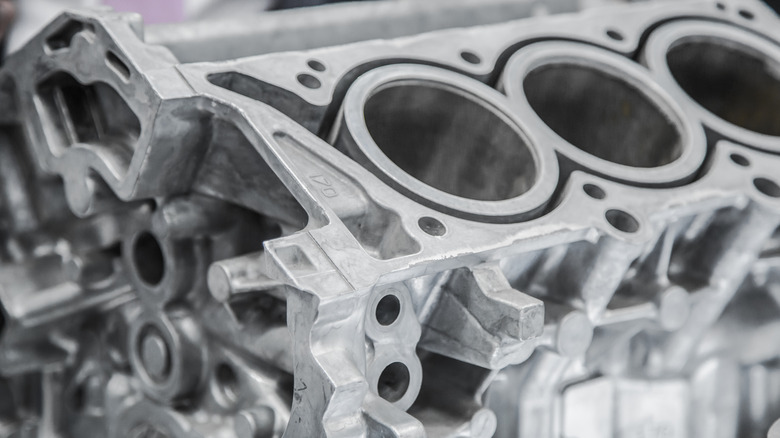
One of the reasons manufacturing CGI engine blocks is expensive is the fact that machining CGI is more challenging than machining other materials. This is an instance in which the strengths of a material can also contribute to the potential disadvantages associated with it. Because CGI is so durable, manufacturers may need to use specialized tools for processes like drilling and boring.
Machining CGI can also require specialized techniques. As such, workers involved in the machining process might require training or experience that's not required for the production of other types of engine blocks.
Machining CGI puts a lot of wear and tear on the equipment used throughout the process, too. It may therefore be necessary to repair and replace said equipment more frequently through manufacturing cycles than if this equipment were being used to machine engine blocks out of different materials. Naturally, this will add to both the cost and timeline of production.
A CGI engine block is still vulnerable to damage
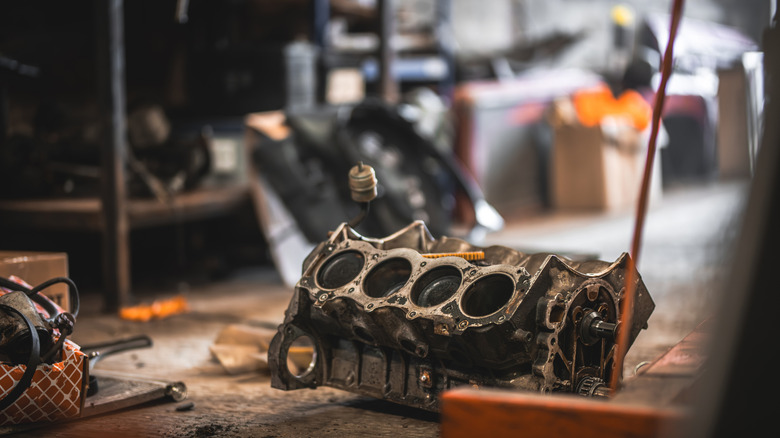
Don't make the mistake of assuming that a CGI engine block's durability means it's incapable of sustaining damage. First of all, one of the general downsides of CGI compared to other engine block material options is that its thermal conductivity is somewhat low. That means it may be prone to overheating. It also means an engine block needs to be designed to account for factors like coolant flow and heat rejection.
Remember, manufacturing a CGI engine block requires strict precision. This is why casting defects can also increase the chances of an engine block sustaining damage. Even potential issues like freezing can jeopardize it. On top of that, the increased mass of a CGI engine block can require making design compromises elsewhere.
Of course, CGI isn't the only material frequently used in the manufacture of engine blocks. You may also want to learn more about the strengths and weaknesses of aluminum and cast iron in these applications. You can take this opportunity to learn about the differences between open deck and closed deck engine blocks as well. The more you understand about the components of your vehicles, the easier it will be for you to make an informed purchasing choice as a consumer.