

The Biggest Drawbacks Of Using Blink Cameras For Home Security
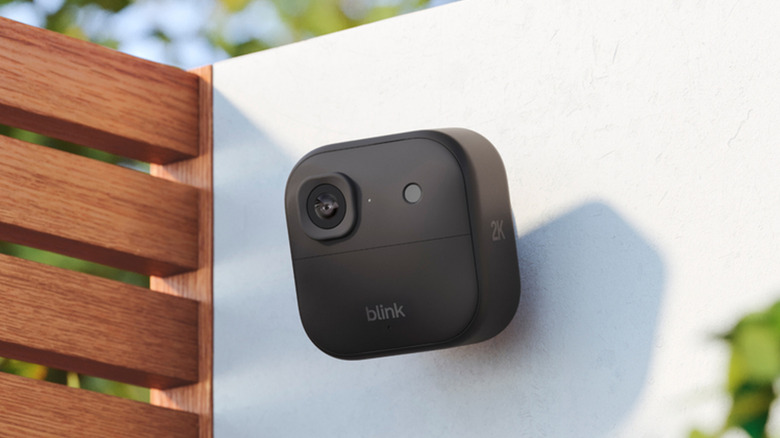
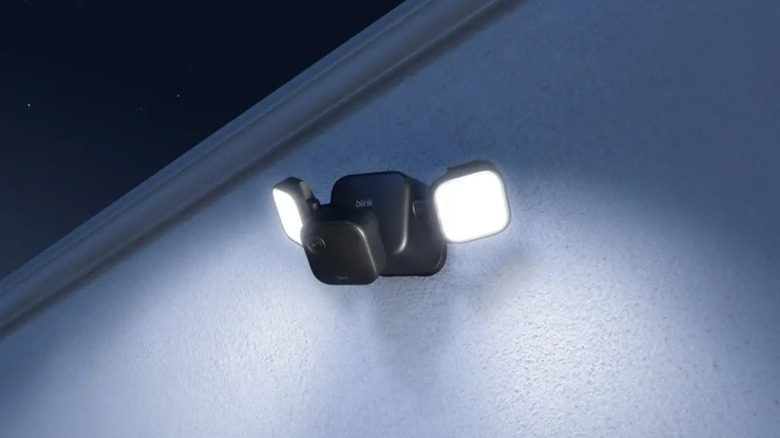
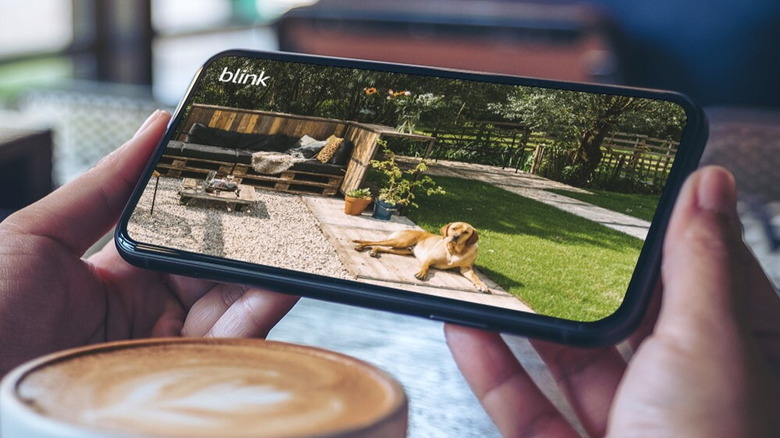
Blink, the Amazon-owned brand, has been popular with people wanting to improve their home security without making a huge dent in their wallets. There's a big selection of products, too. Whether you want to monitor your living room, keep an eye on your front door, or watch over your backyard, there should be a Blink camera for that. That said, Blink's outdoor cameras are a particular favorite because they don't require wiring or complicated installation. Just turn on the camera and mount it on a surface. The app lets you watch the feed, and the cameras integrate well with Alexa. Our testing of the Blink Outdoor 4 and the Blink Wired Floodlight Camera found both to be very competent.
The claimed two-year battery life on select models also means you don't have to worry about constantly charging or replacing batteries. However, all this convenience comes at a cost. There are several complaints about battery life and app problems, not to mention the inevitable subscription fees.
Blink Cameras may not last two years
You shouldn't believe everything a brand says. The best example is the advertised two years of battery life. The claim sounded too good to be true, and Reddit is full of complaints about Blink cameras dying, sometimes even after just a few months of use. This is because your surroundings dictate the battery life. If your camera is activated frequently, such as when cars are moving across the frame, the battery will deplete faster.
Because of this, it's best to keep the motion sensitivity setting at 5 or lower. A short retrigger time is also a concern for battery life. So are the video length, night vision settings, and the quality of the video recording. Because you can't keep your surroundings perfect and a security camera needs to capture everything important, Blink's limitations aren't ideal. What if you're on vacation and the batteries inside your Blink cameras die? That would leave the area unprotected, creating a huge security concern.
You may still need to pay a subscription fee
Yes, you can use Blink cameras without a subscription. Everyone gets access to live view, motion-detected notifications, and manual thumbnail updates. But here's the twist: many of Blink cameras' most useful features are locked behind one of four subscription tiers. The plans include Basic ($3.99 per month), Plus ($11.99 per month), Basic AI ($6.99 per month), and Plus AI ($19.99 per month).
For most people, the Basic plan should be good enough. With it, you can store footage in the cloud for 180 days, detect people and vehicles, combine recorded moments for a quick summary, take photos, and record live video on a single device. The AI plans add video descriptions of motion events, unusual-activity alerts, and the convenience of not getting multiple notifications from various cameras. The Plus tier is required for unlimited-device support and includes extended warranty coverage, along with a discount on other Blink purchases.
Minor inconveniences add up
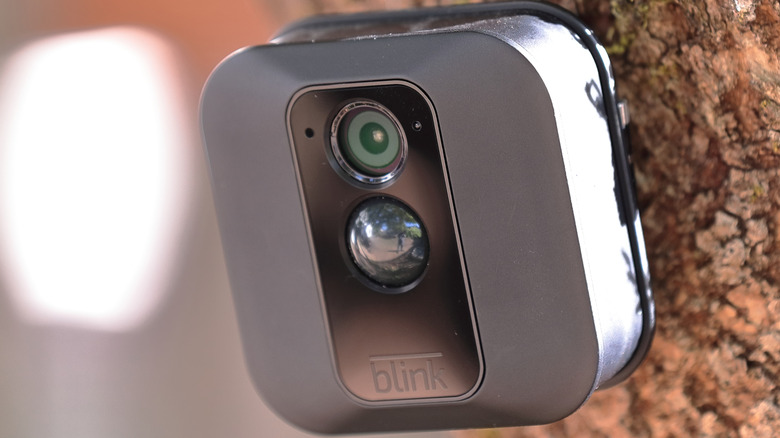
Since Blink cameras are in a competition to last the longest, they use passive infrared sensors to detect heat signatures and wake up. That process can be quite slow. Couple that with the narrow 110-degree field of view on the cheapest model, and the subject could have already moved out of frame by the time the camera starts recording. You can adjust the motion sensitivity, though doing so will reduce battery life.
Other annoyances concern the Blink app. When watching live video for over 30 seconds, you get a pop-up asking whether you want to continue watching. While this doesn't sound like a big problem, the pop-up quickly disappears. If you miss it, the camera will turn off, and you'll need to wait about 10 to 15 seconds to watch video again. The same delay occurs after you finish watching a recorded clip. To save battery life, a minimum 10-second retrigger time is suggested. Only after that will the camera record another motion event.
Are Blink cameras worth getting?
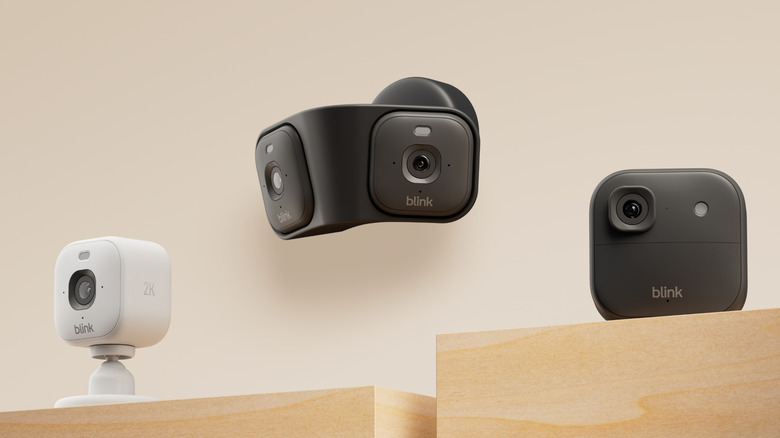
Despite the quirks and annoyances, Blink cameras are still worth getting. They are affordable and offer a quick, simple way to protect your home without any fuss. While the live video recording feature is behind a paywall, you can avoid the subscription for storage by getting the Sync Module 2 ($34.99). It can store 256 GB of videos locally.
As for alternatives, choosing between Blink and Ring cameras is a different question altogether. Amazon owns both, so it's easy to get confused. Think of Ring as the iPhone 18 Pro and Blink as the standard iPhone 18 (whenever it arrives next year). Both do the same basic thing, but the Pro model (Ring) adds conveniences like 24/7 professional monitoring services, cellular backup, more hardware options, and better video quality. The same analogy applies when comparing Blink with Nest cameras. The latter caters more to premium users, with features such as advanced object detection and various mounting options.