

How Many Engine Hours Is Considered A Lot For A Ford F-150?

Mileage alone won't tell the whole story of two different used F-150s you find at the local lot, both with, say something like 100,000 miles. One may have done a lot of highway driving, while the other may have idled, probably with the air conditioning on, for many hours. There may have been many cups of coffee drunk during those hours, but of course this wouldn't increase the odometer reading.
Ford doesn't specify a definitive number of hours that would indicate a high level of engine wear, but a prudent buyer would want to know more if the total was as much as 5,000 hours with 100,000 miles. Engine hours include all periods when the engine was running, which could potentially mean many hours spent stationary. This means engine hours could well be a useful guide to how the vehicle was used.
So if an F-150 covered 100,000 miles in 2,000 hours, that would be an average speed of 50 mph, compared with just 20 mph if the total engine hours were 5,000. All manner of factors, such as city driving and long stationary periods, could be responsible.
There would be no indication from these details of any lack of maintenance, for example. According to iSeeCars, the F-150 has an estimated average lifespan of around 163,000 miles, with about a one-in-four chance of reaching 200,000 miles. None of this specifically measures engine lifespan.
Trucks and other commercial vehicles may idle for long periods
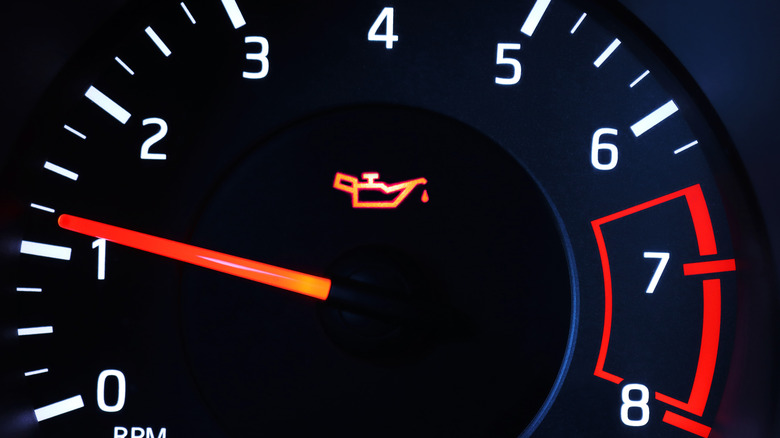
There may be considerable idling time if an F-150 is used commercially, for example to provide heating or cooling, power to various appliances, and so on. All of these would increase the total engine hours but not the odometer reading.
One 2018 5.0-liter F-150 owner reported about 198,760 miles and 9,870 engine hours on the dashboard, of which 5,041 hours were idle hours (over 51 percent), via a screenshot in a Reddit thread. The owner confirmed the truck was used for work, although it's not known from the thread whether this extended idling had been detrimental in any way.
It should not be too difficult to check this information yourself, as various displays are described by Ford, for example under Display Mode > Engine Information for a 2020 model and Truck Info > Engine Information for at least some 2021 models, so it will vary.
Oil changes would normally be indicated every 7,500–10,000 miles in normal circumstances, or 5,000–7,500 miles if the usage is severe, including long idling periods, according to Ford's 2021 maintenance schedule. So it could well require more frequent maintenance, given the lower mileage. Similar considerations would apply to used diesel trucks. So ideally the service history should be scrutinized carefully rather than being overly complacent about a relatively benign-looking mileage figure.
The type of engine will also be relevant
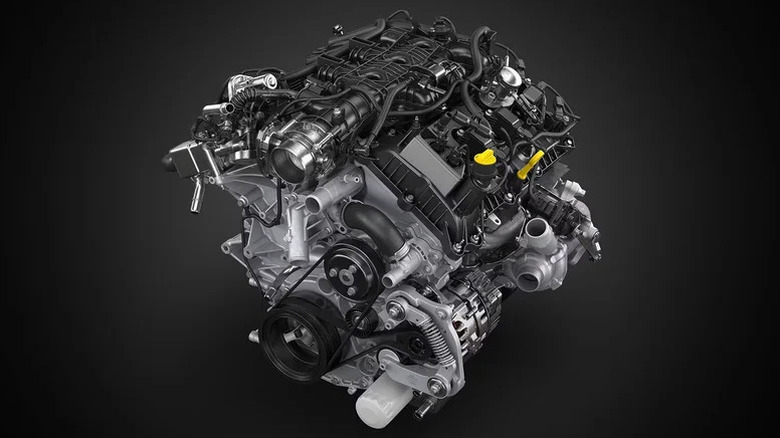
Later models may well be more robust, but not necessarily. A 10-speed automatic was introduced with the second-generation 3.5-liter EcoBoost for 2017, and both the 2.7-liter EcoBoost and 5.0-liter V8 were revised with combined port and direct injection and paired with the 10-speed automatic for 2018.
Various factors would be relevant when choosing between the 2.7-liter and 3.5-liter EcoBoost, not least the amount and type of towing. From 2021, some models could also be fitted with the PowerBoost hybrid and Pro Power Onboard. These can provide varying amounts of electrical power when stationary, with extra engine hours whenever the gasoline engine operates.
A number of 2017–2020 F-150s with the 3.5-liter EcoBoost, built on or before November 30, 2019, could rattle on starting when cold due to cam-phaser issues, according to a Ford service bulletin. Also, excessive oil consumption may be experienced with some 2018–2020 5.0-liter V8s, according to another bulletin. And given the problems attributed to the 10-speed automatic fitted to 2017–2023 models, it would be sensible to ensure this is operating smoothly, particularly since a 2023 Ford service bulletin addresses harsh or delayed shifts in certain trucks, depending on transmission type and build date.
Of course, none of these bulletins proves a problem with any individual vehicle, but it would be foolish to purchase an affected vehicle without checking its history. The engine should be observed starting cold and its oil level checked, and a suitable dealer or independent repair shop asked to examine the vehicle, including its service records. More than one quart of oil per 3,000 miles without visible leaks was deemed excessive for the affected 5.0-liter engines in Ford's 2019 service bulletin.