

Toyota Sued For Allegedly Selling Dangerously Defective Camry & Corolla Hybrids
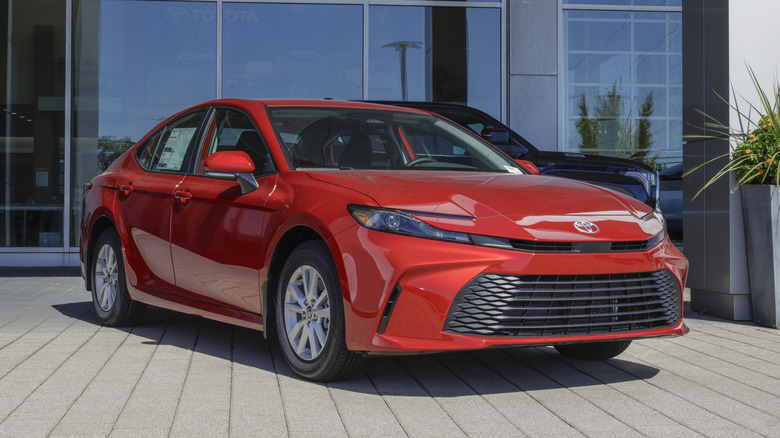
For a company that introduced the world's first mass-produced hybrid car in 1997, Toyota seems to have a bad track record in maintaining them. In recent times, the Japanese automaker has issued major recalls of its hybrid lineup, including Land Cruiser, RAV4 Plug-in Hybrid, and Corolla Cross Hybrid vehicles. Adding to this long line of recalls was the Camry Hybrid, which saw a recall of 51,644 vehicles due to a defect that could cause a fire risk. Toyota's handling of this recall is now under scrutiny, with an owner alleging that the automaker sold him a Camry Hybrid despite knowing it had a dangerous inverter defect.
The proposed class-action lawsuit was filed by Illinois resident Michael Jaffe, who purchased a new 2026 Toyota Camry from a local dealership. He claims that the company failed to disclose the problem before completing the sale, selling him a vehicle that was potentially unsafe to drive. Jaffe also alleges that the defect significantly disrupted his life. After taking his Camry Hybrid to the dealership for repairs in February 2026, he was left relying on loaner vehicles, claiming he did not get his own vehicle back until August 18, 2026, despite having purchased the new car just eight months earlier.
Toyota's hybrid troubles come down to one dangerously loose bolt
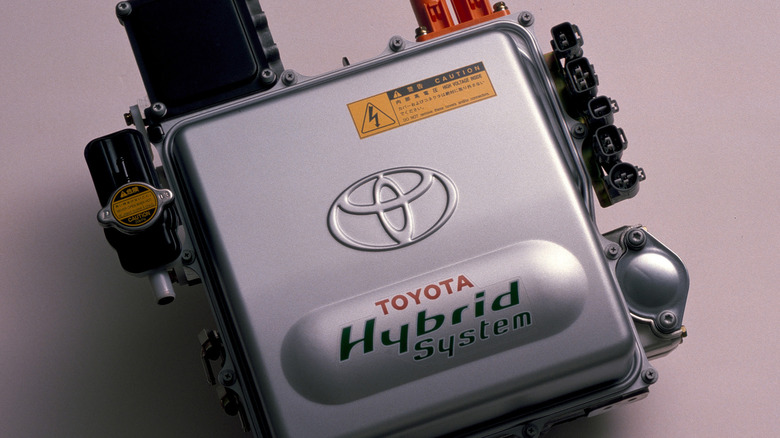
At the heart of this controversy is a loosely tightened bolt inside the hybrid inverter assembly. According to Toyota's recall filing with the National Highway Traffic Safety Administration (NHTSA), the bolt "may not have been tightened properly" during manufacturing. Toyota's investigation traced the problem to inverter assemblies supplied by Denso Manufacturing Tennessee. A machine setting issue during production affected how tightly the bolts were secured, leaving some assemblies with improperly tightened bolts. The Toyota recall report notes that it received an early field report in November 2025 after a vehicle failed to start. An inspection revealed a loose bolt on the inverter's circuit board. By December 2025, the company had recorded 34 field technical reports and 15 warranty claims potentially related to the issue.
Toyota's initial recall announcement did not include an immediate repair. Instead, the automaker said it would notify affected owners once a remedy became available, also promising that the eventual repair would be free of charge. Several months passed before Toyota issued its remedy notice to the dealers on June 18, 2026, with repairs scheduled to roll out in phases through October 15. This extended timeline is central to Jaffe's lawsuit, which claims Toyota left his brand-new Toyota Camry Hybrid sitting at the dealership for months while it worked on a fix.
Toyota pushes back against lawsuit
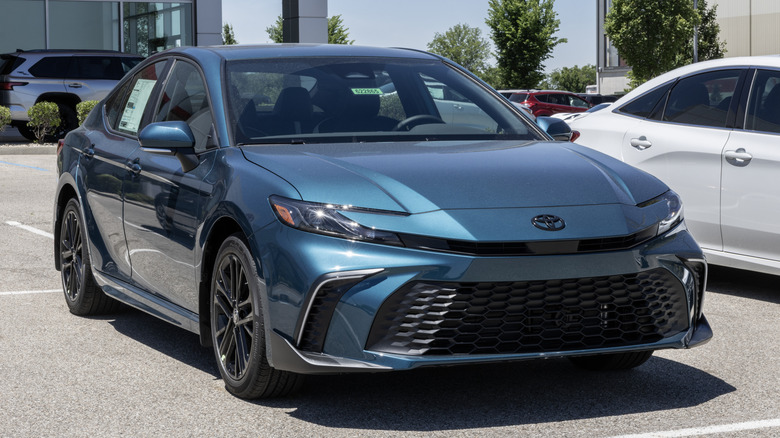
Toyota has challenged the lawsuit, arguing that Jaffe has not demonstrated any compensable damages. In its motion to dismiss, the company pointed out that he received complimentary loaner vehicles while his car was being repaired. The company also argued that the inverter replacement was completed at no cost. Toyota believes that these measures address the issues raised in the complaint, asking the federal court to throw out the proposed class action.
On the other hand, Jaffe wants the lawsuit to represent more Illinois residents who purchased affected Toyota hybrids. The proposed class includes customers who bought new 2025-26 Camry Hybrid or 2026 Corolla Cross Hybrid vehicles from Toyota dealerships in Illinois during 2025. It is worth noting that this is not the first time Toyota has been challenged in court over its hybrid inverters. A previous settlement involving certain 2010-2015 Prius and 2012-2017 Prius V models revolved around inverter electronics failure, a different issue from the loose bolt in the current case. The settlement included a 20-year, unlimited-mileage warranty extension for qualifying cars, free loaner vehicles, and towing under specific conditions.