

How To Winterize Your Outboard Motor The Right Way

Outboard engines have a number of components that can render them sensitive to cold temperatures, but it's not just the freezing conditions that present a danger during the winter. One of the other killers is simple inactivity, which can lead to corrosion. Winterizing methods to protect outboard boat engines vary based on the type of motor you're running (two-stroke, four-stroke, carbureted, EFI, etc.), so check your manual for model-specific details.
To begin the winter-proofing process, prepare the fuel system. Run the engine for 10 minutes to let the treated fuel cycle down through the circuit. Stale gasoline can cause a number of problems, so it's best to replace old or contaminated fuel with fresh gas blended with a marine fuel stabilizer, though you don't need to completely fill the tank. Fuel can expand over the winter months, so leave at least 5% of its capacity empty to accommodate it.
You should also flush out the cooling system with some fresh water; methods will again vary by model, so check the manual (or online documentation) for the right method. Flushing will remove contaminants that can damage or clog the internal channels if left to build up.
For four-strokes, you'll want to change out the engine oil and the filter. Refill the crankcase with the manufacturer-specified lubricant and make sure that the level is within the recommended range on the dipstick. If you have an oil-injected two-stroke engine, fully fill the oil tank to prevent water from sneaking in.
Protecting the engine internals is crucial
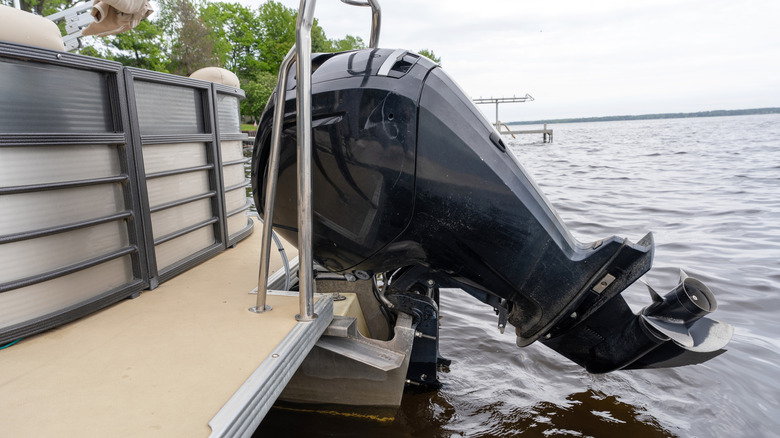
One of the disadvantages of outboard motors is that they can be susceptible to corrosion, so proper winter storage is vital. Start the winterization process with fogging, which is coating all the internal engine components with a layer of protective oil. This creates a sticky barrier that shields the metal parts from moisture, which can cause rust and oxidation in an unprotected engine.
The application method varies based on design. Yamaha recommends using a fuel-carried fogging product for a lot of its modern, fuel-injected four-strokes, while other manufacturers call for squirting outboard oil directly into the cylinders through the spark plug hole. As always, the manual is your ally here; check it for the specified procedure.
You should also drain and replace the gear oil from the lower unit. Keep an eye on the color of the discarded fluid. White/creamy lubricant may mean water contamination, and moisture trapped in the gearcase can freeze and expand, which can damage the housing.
You should also remove and inspect the propeller and check for any stuck fishing line behind it. Examine the sacrificial anodes — pieces of expendable metal designed to corrode instead of the motor. Any that are 50% deteriorated or more should be replaced. Hit the powerhead with some anti-corrosive spray. If you're going to store your motor onshore, keep it vertical so cooling water can drain out. With proper storage and maintenance, the average lifespan of an outboard motor can reach thousands of operating hours.