

Who Makes Xfinity's Routers & Should You Buy Your Own Instead?
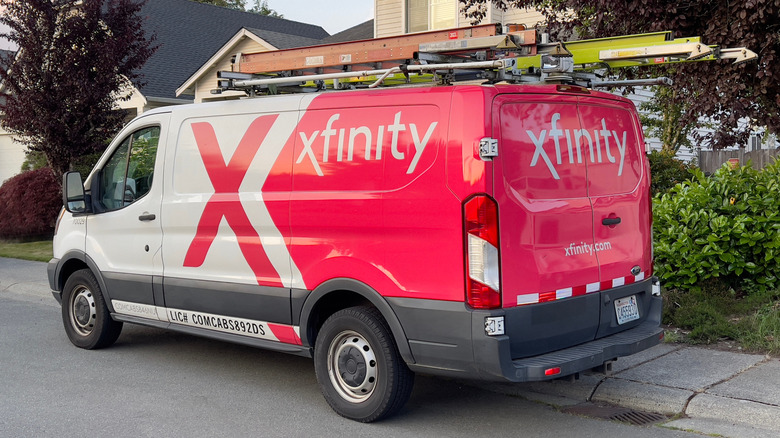
Xfinity, a brand owned by Comcast, is one of the largest internet service providers in the U.S. The company hasn't always had the most positive relationship with customers, however, having landed in the lowest spot on our list of major internet service providers in the U.S. Nevertheless, when you sign up for service as a new member, your plan may get a Wi-Fi gateway (modem and router combined) included for no extra cost. Xfinity does also offer the XER10 router to its fiber-to-the-unit customers, which takes advantage of Wi-Fi 7 to handle more data at once.
However, like other major ISPs, Xfinity doesn't make its own gateways or routers. Products like the XB10, XB9, and XB8 are made by Vantiva (formerly Technicolor), and the XER10 router is made by Sercomm. From the internet provider's perspective, when customers use bundled equipment, this makes customer support and maintaining network stability much easier. Imagine one group of customers who are all using the same device, presets, and interfaces, versus another group with any one of the 30 distinct brands of routers out there, with different models, menus, functionalities, etc. It's easy to see why an ISP wouldn't necessarily want customers using third-party devices.
Advantages of third-party equipment and determining compatibility
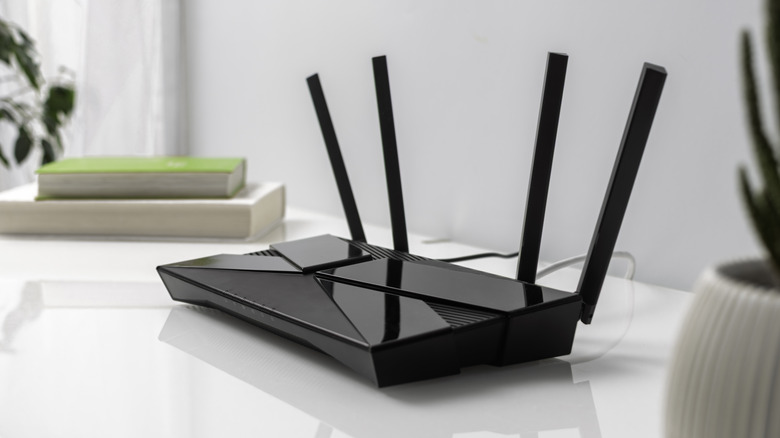
While the equipment Xfinity sends its new customers isn't terrible, it may not provide the best experience. One issue is that in order to provide the most stability, many ISP-bundled devices don't allow much customization. With many options locked down, users may not be able to effectively optimize their home setup for better performance. However, an ISP may set up additional or more capable devices at an increased price. Take the options offered by the Xfinity Pro bundle, for example. This adds an extra $15 per month but provides customers with Wi-Fi extenders to create a mesh network and includes a battery backup system.
You can purchase devices from third-party manufacturers, which may end up saving you money, as Xfinity rental fees can add up. If you've decided to use third-party equipment, you'll first need to verify that the device works with Xfinity's service. According to Xfinity, if your internet is delivered over fiber, as long as a router supports your plan's speed, it should be compatible. If you want to use a third-party modem, router, or gateway, you should check Xfinity's device specifications.
Current customers can log in to see the equipment that works, while those without an account can enter an address to identify device options in their area. Going the route of buying your own gear and configuring it isn't as plug-and-play convenient as the ISP's bundled options, but can offer a better overall experience in terms of performance and customization.