

What's The Difference Between RV Antifreeze And Regular Antifreeze?
We may receive a commission on purchases made from links.
When it comes to differentiating between RV antifreeze and regular antifreeze (not to be confused with engine coolant), the first big disparity is that regular antifreeze is toxic and RV antifreeze isn't. The antifreeze used in your cars' engine contains ingredients like ethylene glycol, which is deadly to humans. In fact, ingesting as little as four fluid ounces could be lethal for an adult, with the substance attacking several organs, like the kidneys, liver, and brain.
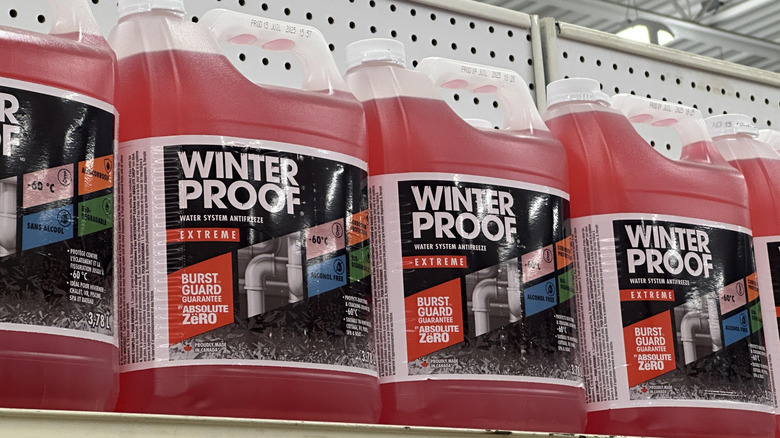
Meanwhile, RV antifreeze typically relies on propylene glycol, which is a food additive the FDA considers safe, in a general sense. It's used as a binding agent and preservative in some foods, it's helpful in brewing beer, and provides a winterizing solution for motorhomes, fifth wheels, and travel trailers, among other uses.
Another difference between the two is where they're used and what they're protecting. The purpose of RV antifreeze is to keep the plumbing lines from freezing, including water lines for potable (drinking) water. Regular antifreeze is used in an engine and works to prevent coolant from freezing, prevents corrosion and manages extreme thermals, one of the reasons cars need antifreeze in the summer.
While using engine antifreeze to winterize your RV could cause illness or worse, pouring RV antifreeze into your engine would have devastating affects for your vehicle. RV antifreeze doesn't possess the same performance properties, meaning your engine could overheat, potentially causing serious damage. So, it's important not to get the two mixed up. Fortunately, RV antifreeze is typically pink, and the label should clearly indicate it's for RV or marine applications and/or specifically for water systems, not engines.
Is RV antifreeze the only option for winterization?
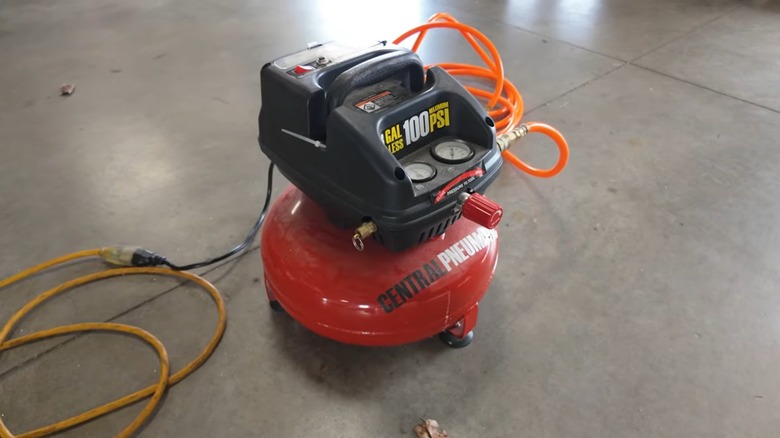
When considering the many steps you need to take to properly winterize your camper or RV, you might be wondering if there is an alternative. The answer is yes; however, it requires additional equipment and carries some risk. Instead of feeding RV antifreeze into your plumping, you can use an air compressor and adapter to blow any residual water out of the pipes. Essentially, you connect the compressor to the exterior water intake (the same port you use for RV park hookups). To connect your compressor to the water port, you'll need something like the Lead-Free Brass 16.69" Winterize Quick-Connect Plug from Amazon.
While this method can be effective, you're placing some additional strain on plumbing components by introducing additional pressure. There is also the possibility that even after blowing out the system, some water could still be present in the nooks and crannies of the pipes, which could freeze and expand, causing potentially costly problems. It's for this reason some choose to include a bit of RV antifreeze to certain areas like P-Traps.
There are some advantages to the blow out method over using RV antifreeze, particularly when temperatures rise in the spring. When adding RV antifreeze, you must flush out the system before hitting the road again, which involves hooking up to city water and running all the taps, the shower, and any outdoor faucets for several minutes until the pink fluid leaves the RV. When using air only, this isn't necessary.