

10 Of The Most Popular Tech Gifts Of The '80s
While tech products come out throughout the year, there's always one that stands out towards the end of the year. The must-have tech gifts of each year tend to dominate the news around Black Friday and Christmas, as there are mad dashes to malls and stores to buy whatever is both popular and available in limited quantities. This happened with toys like Tickle Me Elmo, and it happened with video game systems like the PlayStation 5, thanks to Sony's release in November 2020.
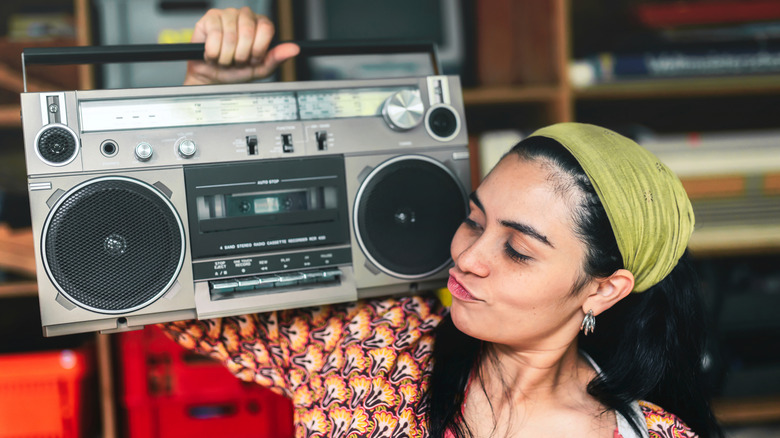
Hot Christmas tech gifts aren't always new when they blow up, but it's hardly unusual for a company to market its latest offering around that time. This practice goes back decades, and one of the more interesting 10-year spans that featured some of the most impressive tech gifts was the 1980s. That's the decade that saw widespread adoption of personal computers, people walking around the street with giant ghetto blasters on their shoulders, blasting directly into their ears, and the rise of video rental stores.
While not invented in the 1980s, it was the decade that established the video game industry, so plenty of innovation on that front saw action throughout the holiday season. This certainly included games, but also consoles, controllers, and even a little robot that worked with the Nintendo Entertainment System (NES).
Every year, one tech product rises above the rest to become the one thing everyone needs to get their hands on, and these 10 were the most popular tech gifts of the 1980s.
Sony TPS-L2 Walkman (1980)
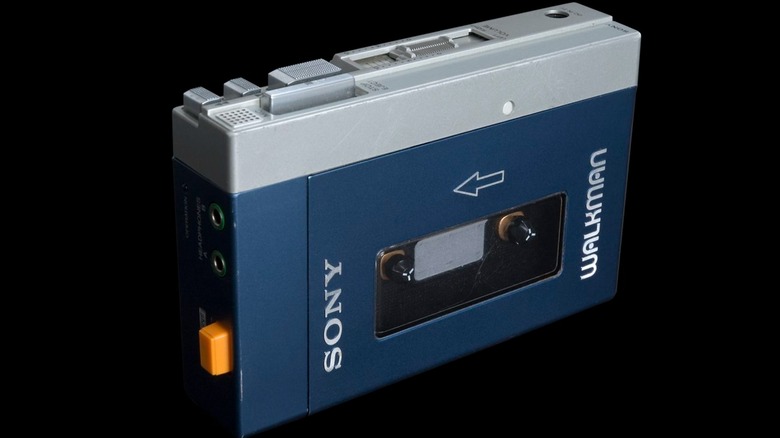
Sony changed the world when it released the TPS-L2 Soundabout in 1979. It quickly became popular, and after a renaming, the Walkman became the must-have item of 1980. These days, whenever you want to listen to a particular song or recording artist, you can ask your Alexa, Siri, or Google device to play it for you. Alternatively, programs do this while also making playlists with ease. It wasn't like that in 1980, and before the Walkman, playing music on the go wasn't easy.
Cassette tapes changed that, and Sony's first portable cassette player didn't just sell well; it was an era-defining piece of technology. There's a reason that Star-Lord (Chris Pratt) wears a TPS-L2 Walkman on his belt in the "Guardians of the Galaxy" films, and it's not because of superior play quality. It's because he was kidnapped by aliens at a time when that particular device was at the height of its popularity. It was relatively inexpensive, which helped it become popular during the gift-giving season.
Sony finally retired the TPS-L2 in 2009, having sold more than 385 million units over a period of 30 years. When it was released in 1979, it cost $199 ($925 in 2026), and in its first two months of availability, Sony sold 50,000 of them — by 1989, that number jumped to 50 million. While it was popular the year it was released, sales jumped in 1980, and the Walkman became all anyone wanted that year, which remained true for many people as the 1980s progressed.
JVC RC-M90 Boombox (1981)
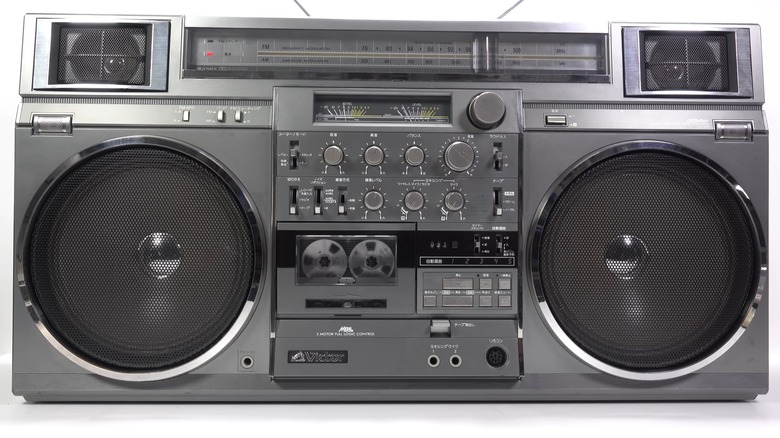
The cassette tape's popularity rose exponentially with Sony's introduction of the Walkman, but another product that followed in 1981 took things a step further. The JVC RC-M90, known as the "King of Boomboxes," was first released in 1981, though it wasn't the first system JVC produced, as its predecessor, the JVC-RC-M70, was released the prior year. Still, it was the M90 that became the must-have boombox of the early 1980s, and it remained popular throughout the decade and beyond.
It was JVC's largest boombox in 1981, featuring superior tuning, twin telescopic antennas and terminals for external antennas, 40 watts of maximum output power via its 2-way loudspeaker system, and two woofers and two tweeters. While it was on the premium side of things for boomboxes, that didn't make the M90 any less desirable to consumers. The M90 offered excellent sound quality for the time, and it was culturally significant, as people wanted to be seen using them.
Despite this, they're difficult to locate these days, and because they're so highly coveted among collectors, they often sell for thousands. That puts them out of reach for most consumers who want to relive the old days with their M90. Fortunately, there's another option: a mini M90, a quirky mini gadget that also makes a great gift. It's more of a cool-looking Bluetooth speaker, but you won't have to break the bank to add one to your collection, and there are both a mini and a micro option made by New Wave Toys.
Commodore 64 (1982)
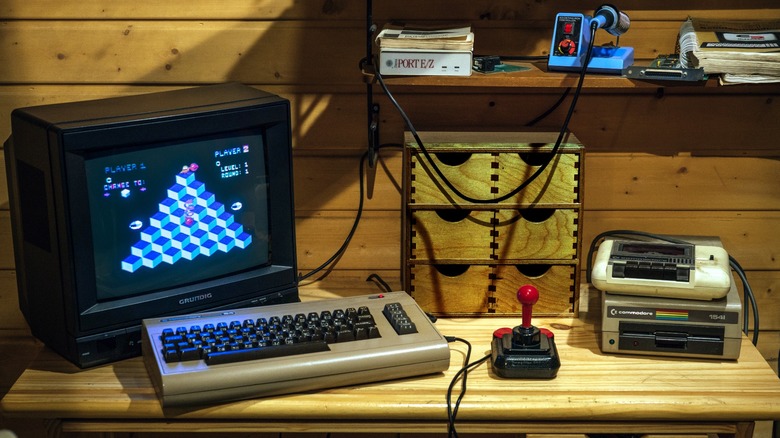
Personal computers had been around for years before the Commodore 64 hit the market in 1982, but it offered something different. In '82, the average cost of a PC was around $2,700 ($9,425 in 2026), so when the Commodore 64 hit store shelves in September 1982, its cost of $595 ($2,075 in 2026) was almost unbelievable. Jack Tramiel, who developed the Commodore 64, integrated an assembly line model into the manufacturing process because, as he said, "We design for the masses, not the classes."
The computer was an inexpensive option that had it all, and the Commodore 64 was a special system in many ways. One thing it had going for it that its contemporary competition PCs didn't was gaming. The system had plenty of gameplay options with several notable video games, including "Eye of the Beholder," "Steel Ranger," "Sam's Journey," and many more, including Lucasfilm Games' first outing, "Maniac Mansion." Like its competition, it was a computer, so businesses and homes could use it, as could most systems on the market.
Needless to say, because of its comparatively low cost and capabilities, the Commodore 64 was an incredibly popular item in 1982. It didn't hurt sales when Commodore continued lowering the price throughout the '80s until it cost only $190 ($595 in 2026). It was also the best-selling computer for years, dominating the 1980s and becoming the best-selling computer model in history, a record that's unlikely to be broken at a time when many people prefer building their own PCs.
Swatches (1983)
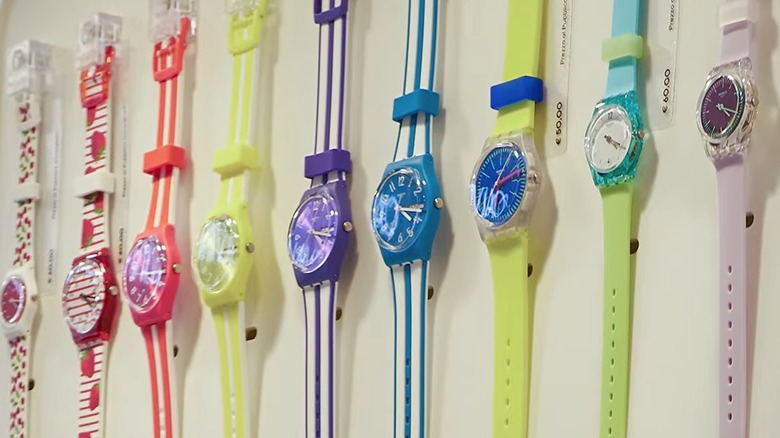
As the 1980s progressed, one piece of technology that became less expensive than it was in prior decades was the wristwatch. Analog watches were fairly expensive throughout history, but in 1983, things changed when a Swiss company began selling its Swatches. As the name implies, Swatch is a portmanteau of the words "Second Watch," and they became incredibly popular upon release in 1983. They appeared on March 1, 1983, and Swatch's success helped save the Swiss watch industry.
They came about due to a quartz shortage, leading Swatch to produce analog watches to regain a foothold in the industry. Swatches were inexpensive, made of plastic, and there were numerous color options. As the brand progressed, those options exploded, and Swatches have become incredibly collectible decades after their introduction. One thing that Swatches had going for them was how they were made because, unlike most Swiss watches, they came off an assembly line, producing thousands in no time at all.
This helped lower the cost, making Swatches one of the most desirable items of 1983. That popularity trend continued for much of the 1980s, and while the Swatch brand declined over the years, it never went away. The company not only produces plenty of Swatches every year, covering a wide variety of styles and types, but the older models have become highly collectible. This is especially true of the OG lineup from 1983, as they're particularly hard to find in decent condition. Swatches aren't products that people bought in '83 and kept in a box; they wore them as fashion statements and timepieces, so they got a lot of use.
Casio Calculator Multichron Watch (1984)
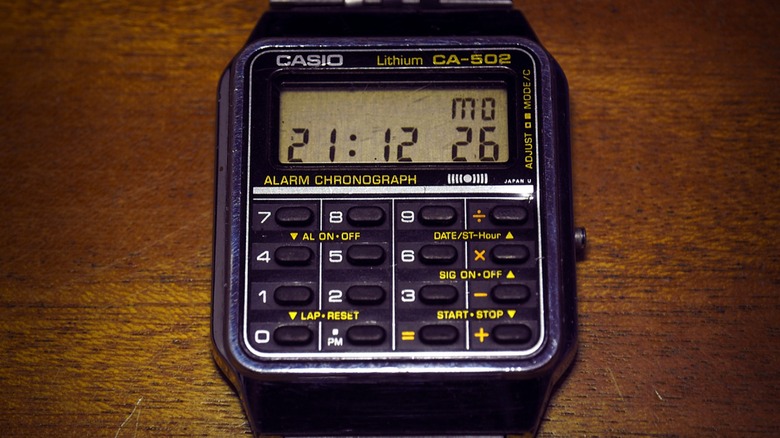
While Swatches were hot items in 1983, the following year saw the release of one of the most iconic timepieces of the 1980s: the Casio Calculator Multichron watch. At a time when watches were relatively simple devices, Casio produced a calculator you could wear on your wrist. This was a huge innovation, and while it might seem archaic by today's standards, it was pretty amazing to walk around with something that could handle complex mathematical calculations.
The first of these appeared in 1983, and by '84, Casio's Calculator Multichron watches were incredibly hot items. The commercial alone was enough to get people to run out and purchase one, as it highlighted the watch's many features. It wasn't merely a calculator and a timepiece; it had 20 functions, including a stopwatch, a backlight, different types of alarms, 12- and 24-hour clocks, a calendar, and a whole lot more.
Because it was mass-produced by Casio, a hidden "21st feature" was its low price of only $12.98 ($42 in 2026). That made it something that most people could afford, so Casio sold plenty of them throughout the '80s. It was so popular that Casio kept releasing subsequent models in various designs, increasing the complexity as the watch evolved. Later models included address books and the ability to enter letters as well as numbers via the calculator buttons, so it was an impressive and iconic piece of tech for the time.
Nintendo Entertainment System (1985)
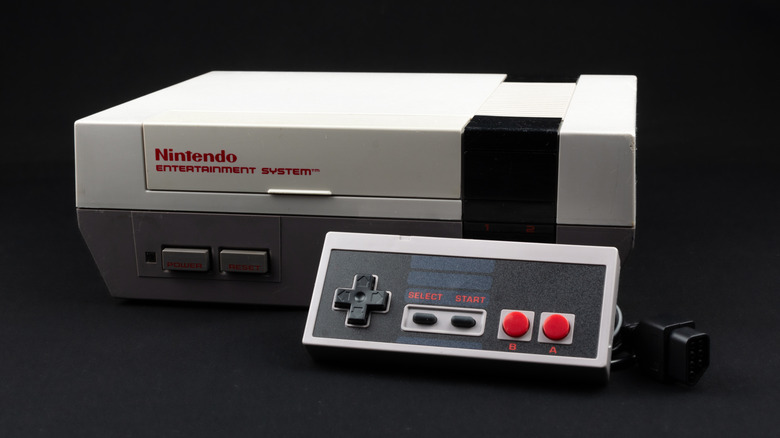
In 1983, the video game industry crashed hard, nearly killing it as it was just getting going. It remained a fraction of what it once was until October 18, 1985, when a new device came along and turned things around. The Nintendo Entertainment System (NES) quickly established a foothold for the Japanese company in North America, and Nintendo became the dominant player in the video game industry. When it arrived, the NES quickly became the hottest item of the year, appearing on plenty of kids' (and adults') wish lists.
Granted, it remained that way until the Sega Genesis and Super Nintendo Entertainment System arrived in the early 1990s. Due to its continued success, it was clear that the NES was the king of home video game consoles throughout the '80s. Technically, the system came out earlier, as the Nintendo Family Computer (Famicom) hit Japanese markets in 1983. The success of that system led to the release in the West, and the foothold it gave Nintendo has never truly disappeared.
The company continued producing killer consoles for decades, and the Nintendo Switch 2 remains incredibly popular among gamers more than 40 years after the NES' debut. Nintendo pioneered many of the norms in gaming that are considered commonplace today, including the D-pad, platformers, thanks to "Donkey Kong," and individual game save files. These are all ubiquitous today, but when they were introduced on the NES, many of Nintendo's best inventions were entirely new and innovative.
Teddy Ruxpin (1986)
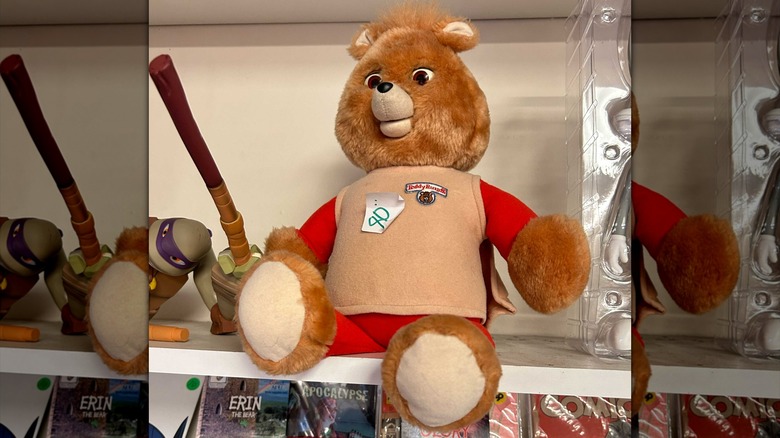
If you're in the market for a personal robot, there are a plethora of popular products you can buy. Many are useful, and a ton are quite cute, but back in 1986, options were limited. One of the products that brought robotics, of a sort, into people's homes was Teddy Ruxpin from Worlds of Wonder. Released in 1985 and initially well received, it picked up steam in '86, found a bigger audience, and became one of those Christmas presents parents fought over in stores.
Teddy Ruxpin was one of the first animated toys, and it moved its eyes, opened and closed its mouth, and read children's stories via the cassette tape inserted into its back. The toy teddy bear became a "spokesbear," appeared in safety messages, and had its own television show. Millions were sold in '85 and '86, and it was the most sought-after toy during these years, as kids couldn't get enough of Teddy Ruxpin, while finding them in stores became almost impossible.
By 1987, interest in Teddy Ruxpin began to wane, thanks largely to increased sales and interest in the NES, which World of Wonder partnered with in what became a mutually non-beneficial deal. This resulted in a reduction in sales, and Teddy Ruxpin disappeared. Like many toys from the '80s, it's made a comeback, and modern Teddy Ruxpins have gone digital, eschewing cassettes for ROM cartridges and a mobile app that sells individual stories. It also features LCD screen eyes, adding more animation than what was initially possible in the '80s.
The Clapper (1987)
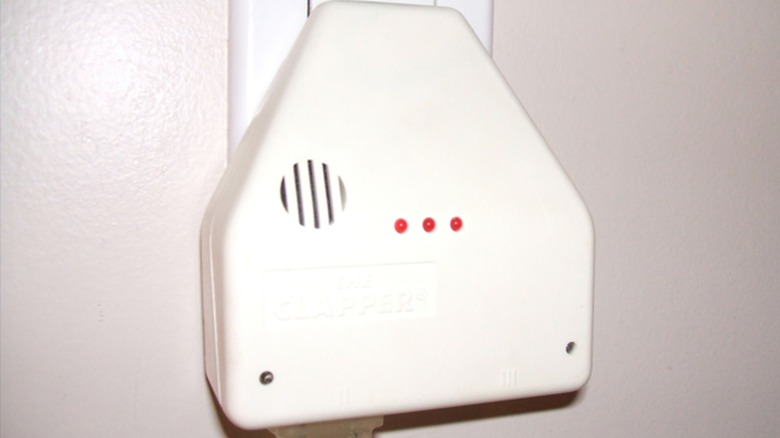
Of all the tech products to find their way to the top of the pile in 1987, few could have predicted it would be The Clapper. The relatively simple device was first released in 1985, and it quickly failed. The product didn't take off right away, and while it looked as if it would quietly disappear into the night, that didn't happen. Instead, someone had the bright idea to come up with an earworm of a jingle and sell it via TV ads, which not only worked; there's a good chance that earworm just popped back into your head.
"Clap-on! Clap-off! The Clapper!!!" The Clapper, which is still around, pretty much works as advertised. It's attuned to listen to the distinctive sound of hands clapping, and when it "hears" this, whatever is plugged into the device is turned off or on. The Clapper's marketing aimed at seniors who might not want to get out of bed to turn off the lights, and it appealed to a wide range of consumers. It cost around $20 ($60 in 2026), and sold like hotcakes, establishing the Clapper as a popular item.
Unfortunately, that didn't last, as The Clapper had some issues. It could trigger when it "heard" something from a television. This was especially annoying if the TV itself was plugged into The Clapper, as it effectively turned itself off. By 2018, more than seven million Clappers made it into consumers' hands, and while it's nowhere near as popular as it once was, there's no denying its impact on late-'80s culture given how often that annoying ad ran on TV.
Sony Discman (1988)
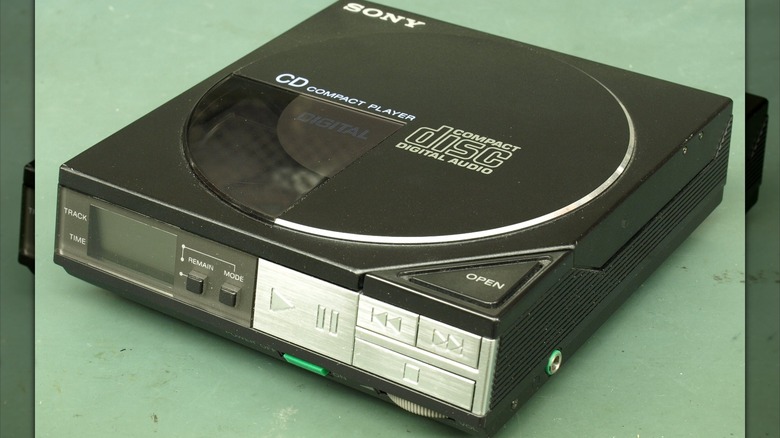
Sony revolutionized the mobile music industry with the first Walkman in 1979, and almost a decade later, it did so again with the Sony Discman. Like its older cousin, the Discman changed how people listened to music on the go; they no longer needed cassettes and could use CDs instead. The first Discman appeared in 1984 as the Sony D-50, but it was an expensive and premium item few could afford. It also didn't have its own battery pack, so it wasn't as portable as consumers wanted.
Sony continued to innovate, and in 1988, it released the D-10. It cost $350 ($1,000 in 2026), so it was still expensive, but it also featured its own battery supply and was truly portable, properly ushering in portable CD-based music. It was the thinnest portable CD player on the market at the time of its release, measuring five inches square and only ¾ inches thick.
It also consumed power more efficiently, lasting longer for extended periods while away from a home-based stereo system. The D-10 managed to run for four hours, while the competition could barely get half of that time before running out of power, so the D-10 became the most popular option the year it was introduced. By 1988, audio CDs had been around for six years, so plenty of people had large collections, and thanks to the D-10, they could listen to their music wherever they went. It was innovative, relatively inexpensive, and incredibly popular.
Nintendo Game Boy (1989)
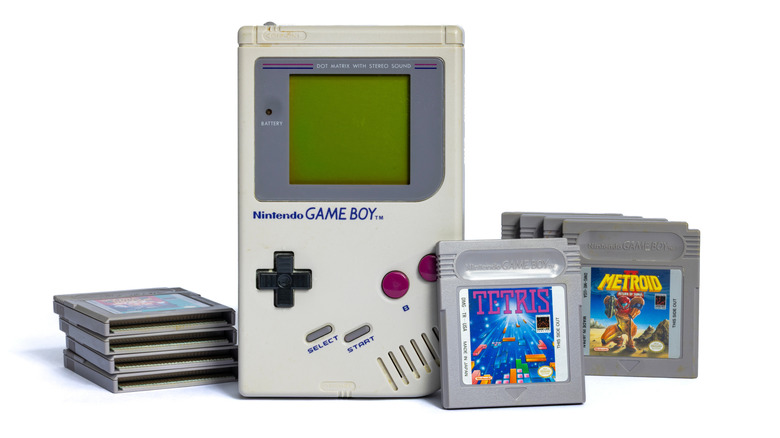
Nintendo saved the video game industry with the NES in 1985, and four years later, it revolutionized mobile handheld gaming with the Game Boy. Despite the technology to produce systems with color LCD screens, Nintendo opted for a rather unattractive green monochrome, but that didn't matter. The lack of color helped boost battery life, and because the Game Boy's games were largely successful and fun to play, it remained one of the best-selling handheld systems for a long time.
One of the key things going for the Game Boy was "Tetris," which was its pack-in title. That game's popularity cannot be overstated, as it was and remains addictive and is easily one of the greatest puzzle games ever invented. It came out of the Soviet Union in the final days of the Cold War, exposing the West to something truly innovative. The Game Boy capitalized on "Tetris'" success as well as the hardware's own achievements, becoming the most popular item of the 1989 gift-giving season.
Nintendo of America released it at the end of July 1989, leaving plenty of time for parents to purchase the hot item at its introductory price of only $89.99 ($245 in 2026). That made it affordable, and it hurt the competition, especially when Atari and Sega launched competing handhelds with color screens that ate up batteries like they were going out of style. Today, original Game Boys are highly collectible and valuable, showing just how impactful the system was when it launched in 1989.