

What Is The Average Lifespan Of A Mini Split?
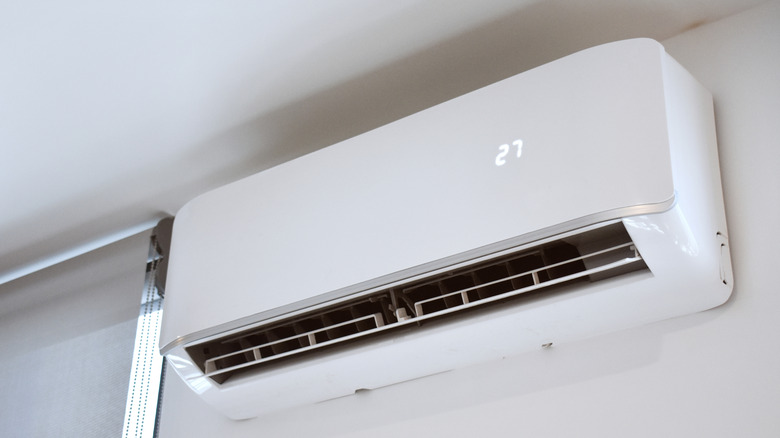
As climate change and weather events like El Niño become more common, air conditioning has transitioned from a nice-to-have luxury to something you just can't survive without. Some places in the US are frequently witnessing temperatures above 100 degrees Fahrenheit, and no one likes to sweat while they sleep. Installing a complete HVAC system in an existing house can be a headache, so if you're in the market for an AC, mini-splits are a great option. They are ductless, so very easy to set up, and more efficient than window ACs and traditional HVAC systems. But do they work for long?
The answer to that is yes. Buying an AC from a reliable brand, particularly one with a good service record, is key. Typically, window ACs last somewhere around 8-10 years. That's good endurance, but mini splits beat that record handsomely. A mini split can last 12-15 years on average. With proper care, both Carrier and Bryant say their units can last up to 20 years. This longevity comes from ductless operation, which means less wear and tear.
How to keep the AC running for decades
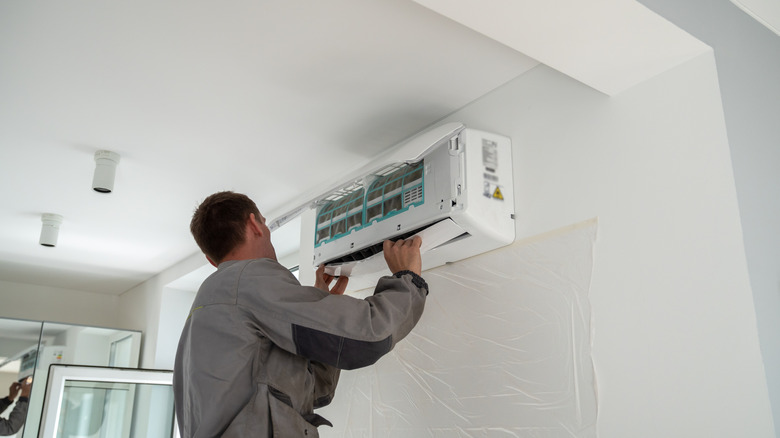
The best way to keep any appliance running for a long time is maintenance. It doesn't matter which brand your AC is — if you don't maintain it, it'll give up sooner. With mini-split ACs, keep a few things in mind. The first is to clean or replace filters. Your AC circulates air through the indoor unit, where it passes through a filter. If it's clogged up, the airflow suffers. Carrier recommends cleaning every month, though the time frame can vary by manufacturer.
While most people keep their indoor unit tidy, the outdoor unit also requires care. It's the one facing the elements, so make sure nothing is blocking the airflow. If birds have made a nest on top of your unit, like what happened to me, remove it carefully. Living near the sea can be another problem, as winds can carry salt as far as two miles inland. This could accelerate corrosion, thus reducing its lifespan. Extreme cold or heat also isn't ideal, as your AC unit needs to work longer for harder, leading to more wear and tear.
Since you can't check refrigerant levels yourself, we recommend scheduling annual professional maintenance. They'll inspect the electrical components, the condenser coils, and everything in between. Try to get it done before the season starts. If your AC supports both heating and cooling, call in the crew twice a year. Don't forget the AC in the guest bedroom that isn't used often, as it still needs care.
When should I replace a mini-split AC?
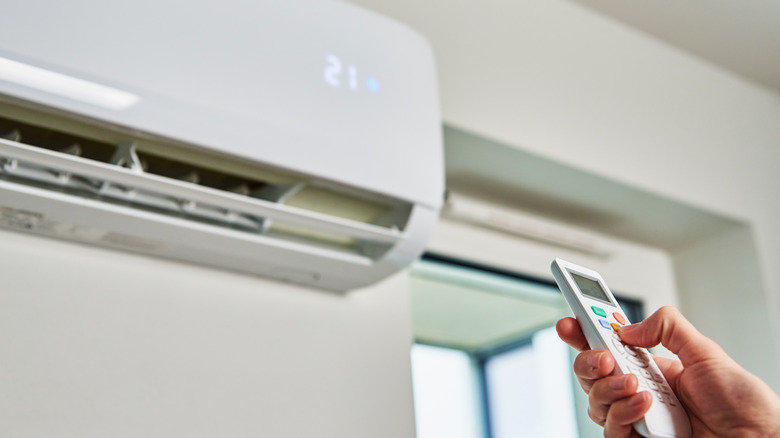
The answer depends. Every AC is different, so there's no definitive answer, but there are signs to watch for. Even if the AC is less than a decade old, frequent repairs say a lot. One day, the compressor stops working. Another day, the temperature gets stuck at one setting. These issues don't mean the end of the life, but if you're spending a lot on repairs, it may be time to replace the AC.
Your energy bill is another big indicator. A faulty AC may consume more power, increasing your energy bills, and this can quickly add up. Also, look for a drop in cooling performance. An AC that can't keep you cool usually means it's time for a new one. If all that is happening to you, check the warranty status. Some AC brands offer extended warranties, and you could be eligible for a replacement without spending any money.