

3 Disadvantages Of Using Radiators To Heat Your Home

Radiators were once a popular option for heating homes in the U.S. Typically, a radiator heats a home when a separate boiler heats water, generating steam. This steam travels through pipes and into the radiator, where the heat is distributed throughout the surrounding space.
Although virtually no new homes in the U.S. use radiators as heating solutions any longer, plenty of older homes might. If your home stays warm with the help of a radiator, it's worth familiarizing yourself with the potential drawbacks of this heating method. Understanding why radiators have fallen out of favor can potentially motivate you to start looking into upgrades.
In the meantime, if your home does use a radiator, it's wise to learn about mistakes you can make which might interfere with a home radiator. In fact, some home heating mistakes can be quite dangerous. That's why it's important to learn about the general strengths and weaknesses of your home heating system. The better you understand your system, the better your odds of running it efficiently and safely.
Traditional steam radiators can require substantial maintenance
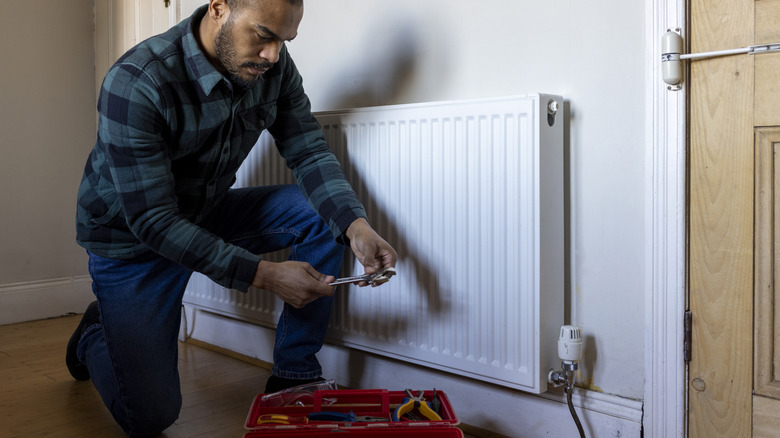
First, it's important to remember that any residential radiator system in the U.S. these days is likely to be somewhat old. It's possible a home's radiator system may have been initially installed several decades ago.
Any reasonably old heating system will typically require more maintenance than a new one. On top of that, steam radiator systems can require significant upkeep in general. Maintenance tasks you may need to perform often to optimize the lifespan and effectiveness of your radiator include regularly inspecting and cleaning the air vent, replacing the air vent if cleaning it doesn't remove a clog, repacking the valve at the base to guard against steam leaks, and generally cleaning the radiator to prevent rust.
No home heating system is maintenance-free. That said, the upkeep demands of a new system will likely be less substantial than those of an old radiator. Keep this in mind if you're seeking a reasonably low-effort way to heat your home.
Steam radiators may be noisy and can cause damage
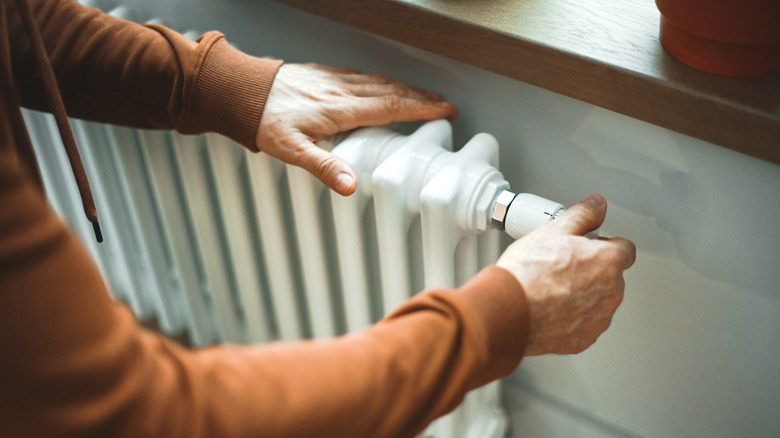
Steam radiators can cause the floor around them to become warped. While this might constitute minor household damage, it's still an outcome you'd likely prefer to guard against. Opting for a different type of home heating solution can help you do so.
Unfortunately, if the floor near the radiator does become warped, the entire unit may tilt as a result. This can lead to banging noises that may be quite troublesome until the problem is addressed.
Noisy operation is actually one of the more common issues associated with steam radiators in need of repairs or maintenance. For example, a radiator may generate hissing noises if there's a problem with the air vent, whistling noises if a valve is partially closed, and, again, banging noises when the unit isn't tilted in the proper direction. These are all frustrations you might not need to struggle with if you used another type of system to keep your home warm.
Be aware that these systems can be loud even when there is nothing wrong with them. Sometimes, they cause pipes to make loud clanking noises, even when they are otherwise in good working order.
Old-school radiators lead to uneven heating

It's worth noting that a steam radiator doesn't combine heating and cooling into one system. You'll need a separate system to keep your home cool during the warmer months if you rely on a steam radiator. This can add to the overall costs and complexity of the system.
On that subject, an older steam-based radiator system doesn't allow for the same degree of temperature control throughout a home that a newer zoned system will allow for. With a radiator, you might only have a single thermostat to control the temperature. This prevents you from effectively warming a home to your exact specifications. Even when you turn the heat up, some rooms may become hot while others may struggle to reach ideal warmth.
Again, these aren't issues you have to simply accept if your home's heating system is based around a steam radiator. You can look into newer HVAC systems that offer both heating and cooling while leveraging modern tech to offer greater flexibility. If you're looking to stay comfortable and avoid constant maintenance, making the switch could be worth your time and money.