

What It Costs To Install A Heated Driveway May Surprise You
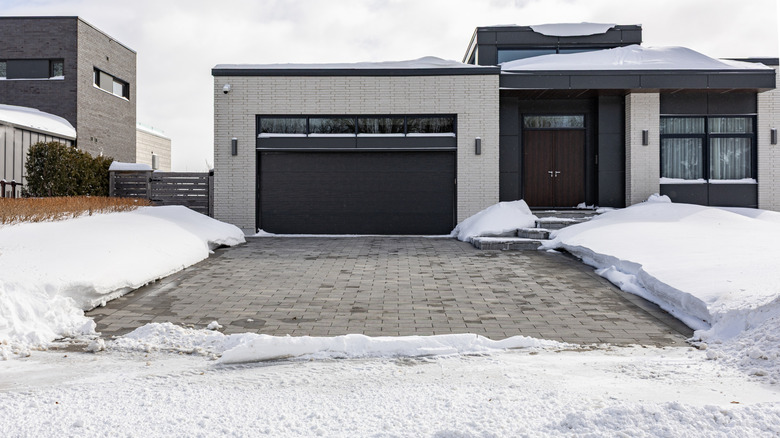
When we're kids, snow storms typically mean a day off of school, sledding, and a mug of hot chocolate. When we grow up, a few inches of snow turns from hours of fun to hours of toil. It may mean a long, harrowing drive into work after getting up early, even if you shovel your driveway efficiently. Even if you're lucky enough to own a snowblower, a winter storm still means a frigid start to your day. Imagine waking up to a snowy yard but a clear driveway. No, your neighbor didn't do you a favor — instead, your heated driveway did its job. Is that worth what some would consider a hefty upfront cost?
According to HomeAdvisor.com, it costs between $3,000 and $8,700 on average to install a heated driveway. However, the job may run $10,000 or more depending on the size of your driveway and whether you select full coverage or only isolated heating elements to clear your tire tracks. The system itself is fairly simple but requires repaving or replacing your existing driveway to install heating cables underneath the surface. This will melt snow and ice, eliminating the need for shovels or a snowblower.
Beyond the initial cost of installation, homeowners must also consider the potential operating costs. Depending on the size of your driveway and the length of the storm, you should expect to add anywhere from $4 to $30 per storm to your electric bill in order to clear your driveway.
Is a heated driveway worth the investment?
The best time to install a heated driveway is when you're already planning to repave or replace your existing one. It would be wasteful and expensive to rip up a driveway that you've recently invested time and money into. It is possible to retrofit your existing driveway by adding a new layer of asphalt under which the heating elements are installed, or by cutting out channels for the heating elements. This is typically less expensive and less labor-intensive, but it's only an option if your existing driveway is in good condition.
There are a few other options beyond a shovel or a snowblower to clear the snow. You can purchase portable heating mats to place on your driveway and sidewalks. The upfront cost is much less than an embedded heating system, though most users typically deploy them strictly to melt tire tracks and not their entire driveway. A single mat can cost several hundred dollars, and you'll also have to store them when not in use. They may last several seasons, but an embedded system will likely last much longer and do a better job of clearing snow.
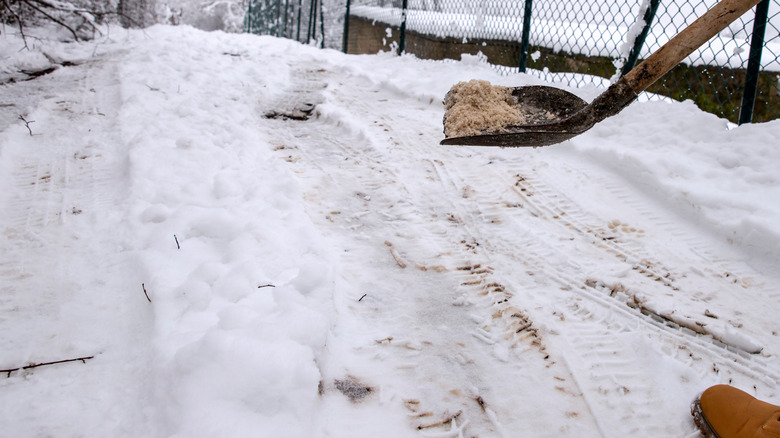
Sand or other traction products are often on a winter supply list, and they have a much lower upfront cost. They typically don't melt snow but do provide a better surface for tire grip. Of course, you will have to reapply during every storm, and the cleanup may be a pain. Ultimately, a heated driveway may be worth the steep investment if you tend to get a lot of snow and want a long-term, low-maintenance solution.