

3 Drawbacks Of Using Inverter Generators

When choosing a generator for your home or other purposes, understanding your options is key to making an informed decision. For example, you may have heard that inverter generators are relatively small, generate minimal noise, operate more efficiently than other types of generators, and produce the kind of clean power that's less likely to damage certain electronics. However, before investing in one, you should also familiarize yourself with the potential drawbacks of using an inverter generator.
Consider that you don't need to make this purchase alone. A generator is an important piece of equipment, and you may want to discuss the topic with a professional who can guide you in the right direction. While you have them, you can also ask about related important subjects, like proper generator maintenance. Along with helping you pick the right generator, as well as helping you understand if an inverter generator is right for you, they can also help you understand how to ensure your generator remains in good shape.
An inverter generator may be more expensive than other options
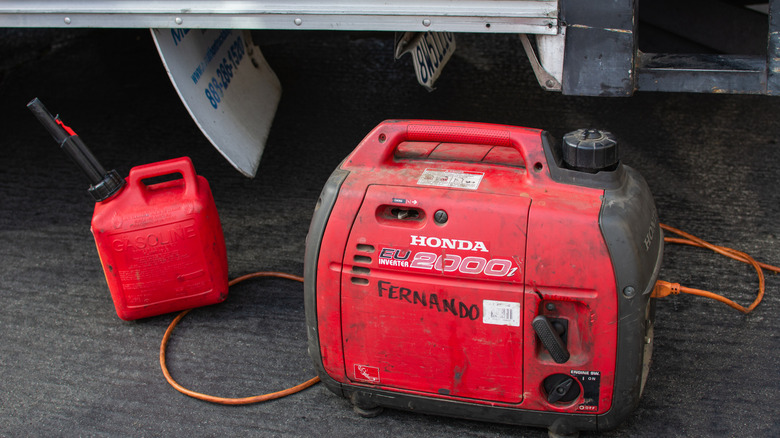
The benefits an inverter generator can theoretically offer come at a cost. Typically, an inverter generator will cost significantly more than an equivalent generator of another type. For example, a well-reviewed inverter generator that delivers 5,000 watts of power can cost upwards of $4,000. In the meantime, a quality portable generator offering 7,500 watts might cost as little as $850.
That's obviously a major price difference. You'll have to evaluate your needs to determine if the advantages an inverter generator offers are worth thousands of dollars. On top of that, the cost of hooking an inverter generator up to your home's electrical panel can be hefty.
It's also worth noting that some of the pros of an inverter generator can be cons in the wrong circumstances. Again, one of the selling points of inverter generators is their compact size. To achieve this compact size, manufacturers often bury major components deep within the unit. This can make servicing and repair an inverter generator more complicated, and could potentially add to repair costs.
Inverter generators may be vulnerable to current overload
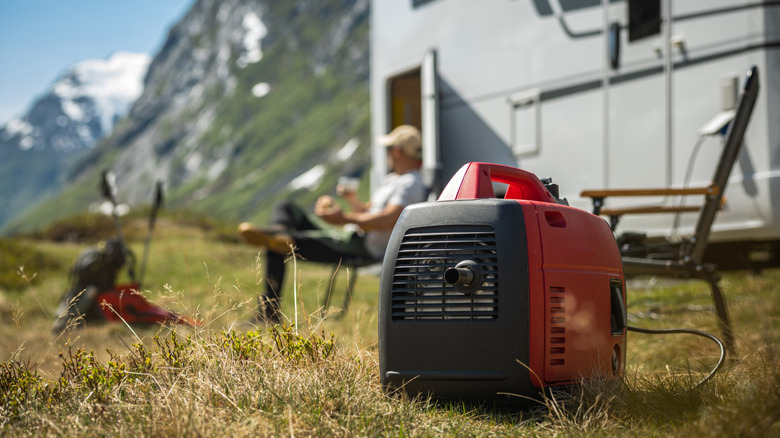
An inverter generator has the same limitations as any other electrical device. For example, various types of electronics can become overloaded if they draw a current that exceeds the maximum instantaneous current the unit was designed to tolerate. The same goes for an inverter generator.
Unfortunately, an inverter generator may be quite prone to overloads. Be aware of this when deciding what types of systems and devices to power via your generator. You need to ensure the generator is the right size for your purposes.
When you first switch the device on, it will draw more current than it will during normal operation. It's critical to account for this when using an inverter generator. The wattage shouldn't exceed what the generator's specifications indicate the unit can handle. Guard against such overload problems by discussing your needs with a professional who can help you select the right size inverter generator for your purposes.
Inverter generators may interfere with other electronics
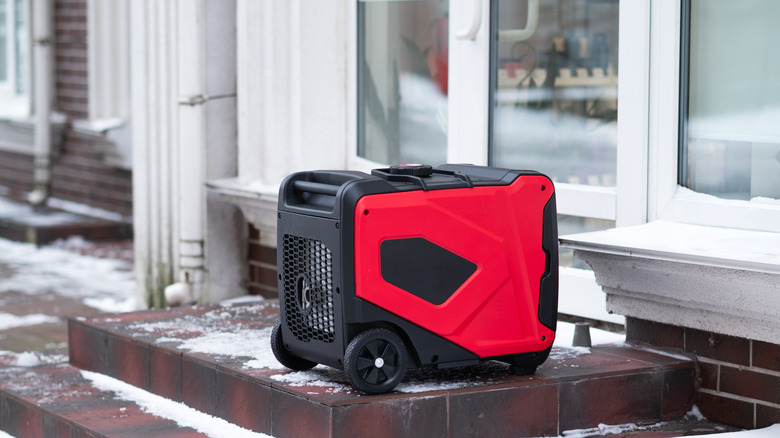
One of the qualities that makes inverter generators so appealing can also make them a less-ideal choice in some settings. Remember, inverter generators can operate more quietly than others. This is because inverter technology makes it possible to slow the generator's engine when the load is light.
However, inverters also generate electrical noise. This type of noise may not be as distracting as the type you can hear, but it can interfere with nearby electrical equipment. Sometimes, this interference can cause certain equipment or devices to shut down unexpectedly.
This is another reason to select an inverter generator under the guidance of a professional. If you're not sure how to choose a unit, they can help you pick one that's unlikely to cause electromagnetic interference issues. Or, they can help you determine if another type of generator is a better fit.
Just remember that choosing the right generator is only half the battle. You also need to make sure you're running it in a manner that will optimize its effectiveness and lifespan. Along with thoroughly reading the owner's manual for your generator, you should also learn about common mistakes people make when using generators. Understanding what not to do when running a generator will help you keep yours in good working order so you can rely on it when you need it.