

3 Drawbacks Of Using Tank Water Heaters
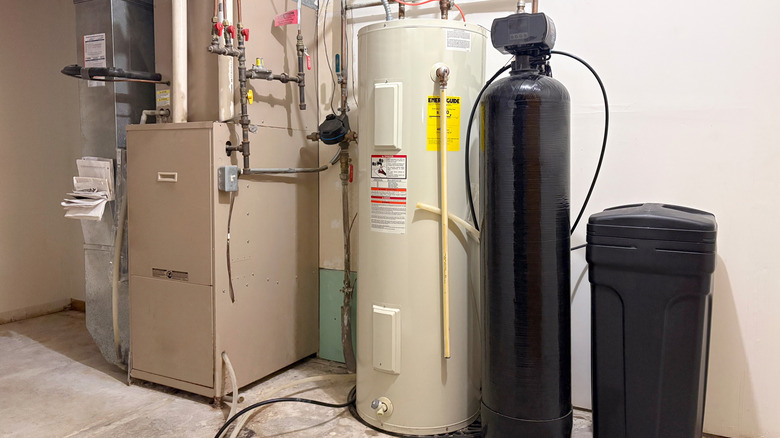
Water heaters tend to last for a span of 8 to 20 years, with traditional tank models at the lower end of the range, warming things up anywhere between 8 to 12 years at a time. That doesn't mean they can't fail sooner, and many will find that the decade or longer goes by fast, faster than you'd expect anyway. Eventually, you'll have to replace your water heater, and you'll have a big decision to make; tankless or tank? Even with efficient and tankless models, the traditional tank variants are still readily available, and they're a viable choice if you want to save on upfront costs. But as with most things, there are pros and cons to going with a tank water heater.
Tankless water heaters have some disadvantages of their own, as well. It's clear that you'll have a lot of factors to weigh before making a final decision. Let's say for the purposes of this guide that you're leaning towards the traditional route, choosing a tank model because of the lower installation costs, easier general maintenance and-or the speedier heating process — all of which are boons of tank variants. Here are some other things you should know before you make that final decision.
They have a shorter lifespan
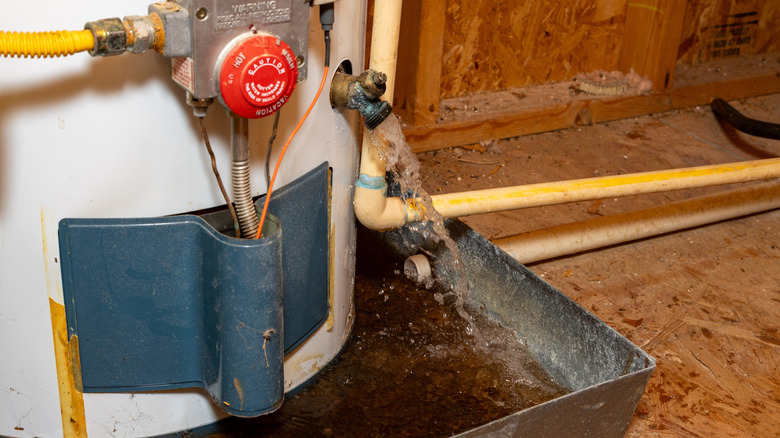
Right off the bat, you would have noticed that tank water heaters aren't quoted to last as long. There are several reasons why this is the case, but mostly it has to do with the natural wear and tear of using tank-based systems. Over time, they can fall prey to corrosion and general wear, but also sediment can build up inside, which is one big reason why they need regular cleanings. All of those elements can put added stress on the hardware, ultimately, lowering the lifespan.
But it also means that, though you might save money upfront buying a cheaper tank-based heater, you will have to replace it sooner than if you went with a tankless model. That could cost you more in the long run.
When you're ready to install a heater, whether that's right now or in your future, you will have to consider the lifespan of your chosen system. If you go with a conventional tank, be prepared for its eventual failure. Just make sure you keep up with regular maintenance to prolong its life as much as possible.
They use more energy and are less efficient
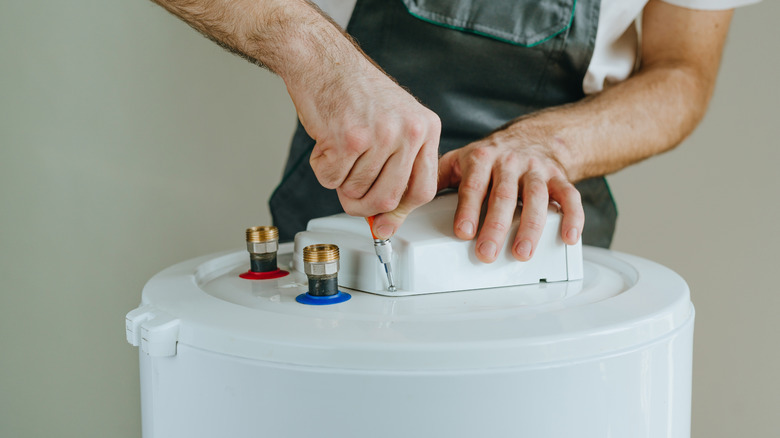
As the name implies, tank water heaters come with a sizable reservoir or "tank" to store water that's constantly being heated before use. It takes a lot of energy to keep the water warm or hot, and the perpetual nature of the burner consumes lots of energy long-term, especially if the system is powered by electricity. There are gas-based water heaters that cost less to run, but they still use an inordinate amount of resources compared to tankless models. That inflates expenses when you're paying electric or gas bills.
If you live in an area or region where it gets cold several months out of the year, the hot water heater will have to work harder to keep the water warm during those periods. You can expect those costs to spike during the winter, even if only a little.
Moreover, tanks exclusively powered by electric are susceptible to outages, so if the power goes out in your area you won't be able to use hot water until it's back on, or worse yet, until the heater can rewarm the supply.
They offer a limited short-term supply
Speaking of those reservoirs or tanks, they can only hold so much water at a time. Depending on the size of the reservoir, it's entirely possible to run out of hot water, more so if you're doing multiple tasks at a time. If you or your family members are taking showers at the same time, or have the washing machine or dishwasher running elsewhere, the supply can deplete quickly. Even a long enough shower could use up all the hot water. That could leave you or someone else floundering in cold water until the heater can warm everything back up.
By comparison, tankless water heaters don't offer truly endless hot water, they can get bogged down from time to time with high demand, but a steady supply is almost always available, which is a big difference from what you get with tank models. As the tank empties, new water entering must be warmed up and recovery can be slow; hence cold water coming out of the pipes. Sediment build up inside the tank can also cause efficiency issues, meaning the heater won't work as well or as fast. Releasing the sediment to keep the heater running optimally is a regular part of maintenance.
Your water heater needs extra attention and care so it will last longer. Ideally, you should drain your water heater at least once per year, though more often can't hurt. It's actually a fairly straightforward task that almost any homeowner can do.