

3 Disadvantages Of Zero-Turn Mowers
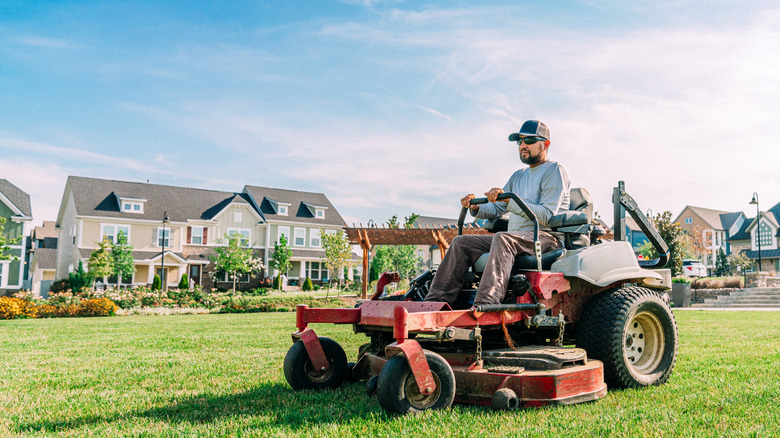
Are you in the market for a new lawn mower? If so, you might be wondering whether it's smart to invest in a zero-turn mower. Yes, these types of mowers are generally used by professionals, but perhaps you have a large property that you believe justifies this type of equipment. If so, it's important to familiarize yourself with some potential drawbacks of a zero-turn mower before spending your money on one.
A zero-turn mower is often significantly larger than a traditional riding mower. Rather than a steering wheel, it's equipped with two handles that allows for a greater degree of control than other mowers may provide. Similarly, a zero-turn mower can typically reach speeds a riding mower can't.
These may all sound like reasons you should purchase a zero-turn mower. However, just because a piece of equipment is professional-grade doesn't mean it's superior to other options in all circumstances. You need to assess both the pros and cons to determine if this style of mower is best for you.
Zero-turn mowers might not handle slopes well
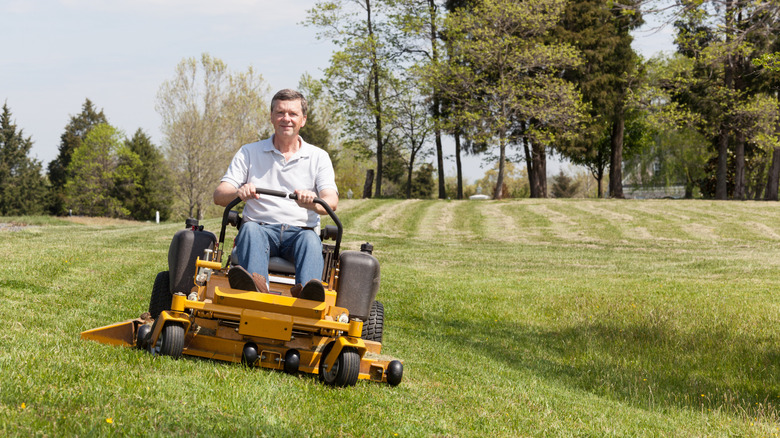
A zero-turn mower is one type of mower the operator sits upon instead of standing behind. The appeal of such a mower is easy to understand. If you have a large property to mow, sitting on your mower can be far more comfortable than being on your feet throughout the process.
Just be aware that both traditional riding mowers and their larger zero-turn cousins are at a greater risk of overturn accidents when operated on slopes. In fact, a mower's manufacturer will often establish an angle limit for a given mower. Operating the mower on a slope that exceeds this angle limit can increase the odds of severe injury or death.
In addition, zero-turn mowers may handle slopes less well than other riding mowers due to their two-wheel drive configuration. This can result in less traction than a four-wheel-drive riding mower might offer.
The implications of this vary depending on how you apply this understanding. Of course, you should never operate a zero-turn mower on a slope it's not designed for. If your property is hilly, you might ultimately decide a zero-turn mower is the wrong choice for it. Or, you might have to supplement a zero-turn mower with a push mower or similar alternative to be used on the sloped areas of your property.
A zero-turn mower can sometimes damage a lawn
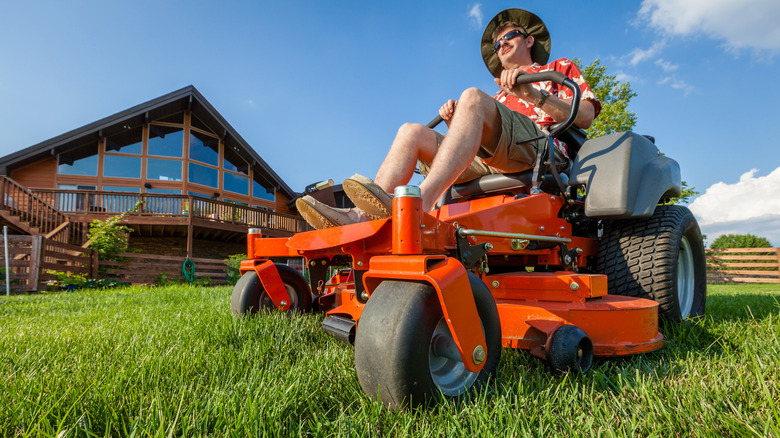
A zero-turn mower is supposed to be a piece of lawn care equipment. It may thus come as a surprise to realize that a zero-turn mower can also damage a lawn.
This is partially due to weight. Frequently mowing a lawn with a piece of equipment this heavy can result in soil compaction. Soil compaction prevents soil from properly receiving and draining water. If someone uses a zero-turn mower when the grass or soil is wet, compaction can be even more severe.
On the other hand, failure to properly irrigate a lawn may increase the odds of a zero-turn mower damaging it. That's because soil and grass that haven't been properly irrigated are already stressed, and are thus vulnerable to greater damage.
Staying on top of irrigation can guard against this. In addition, if you're using a zero-turn mower, you should pay attention to your mowing pattern. The goal is to mix up the mowing pattern so the soil isn't consistently exposed to the same stress.
In other words, yes, it's possible to mow and maintain a lawn in such a way that a zero-turn mower doesn't cause issues like soil compaction. That said, doing so may be a little more complex than it would be with another type of mower. You need to irrigate properly, but not mow when the soil and grass are too wet. You should still mow regularly, but you should alternate mowing patterns to guard against damage. If that all sounds too complicated, you may prefer a different type of mower.
Zero-turn mowers can be expensive and difficult to store
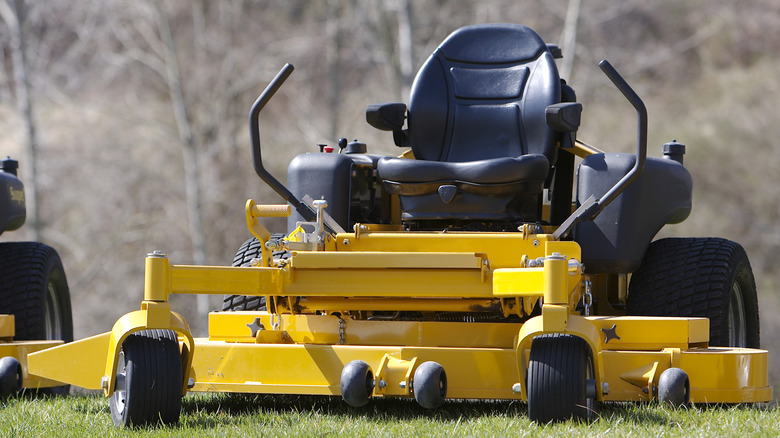
We've already established that zero-turn mowers are large units that are more commonly associated with professional crews instead of average homeowners. Like much pro equipment, that means zero-turn mowers can often be more expensive than their traditional riding mower counterparts. Consider whether you really need this type of mower when a less-costly unit may serve your needs perfectly.
Also consider whether you have the storage space for a zero-turn mower. Even if you technically have the garage or shed space for one, its size will prevent you from using that space for other purposes. Unless yours is a very large property, you may be better off with a smaller mower that allows more storage space for additional lawn care equipment.
Essentially, you may be interested in a zero-turn mower because you have a fairly large yard and you want something that will help you mow it efficiently. That's understandable. Regardless, a zero-turn mower isn't always the right option for such a property. Instead, you should explore a range of mowers that are good for big lawns. You may also familiarize yourself with lawn mower models to steer clear of. Once you've done your research, you can assess your options and make a truly informed decision.