

Mini Split Vs. Central Air Conditioning: Which System Is Right For You?
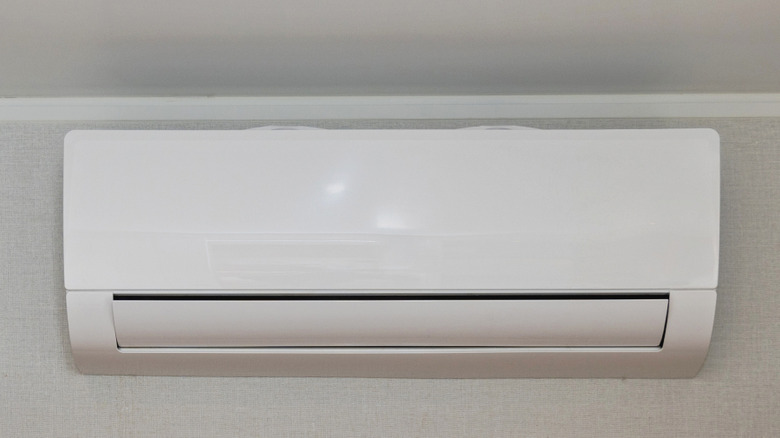
We all know that keeping our living space cool when it gets hot outside can drastically improve quality of life. However, not all air conditioners operate in the same manner (not to mention you'll need to replace or upgrade your A/C unit eventually), and the choice may be difficult since there are many different types of air conditioners. Two of the more common cooling options are ductless mini split systems and central air units. Both do a great job of keeping a house cool, but they differ in several ways.
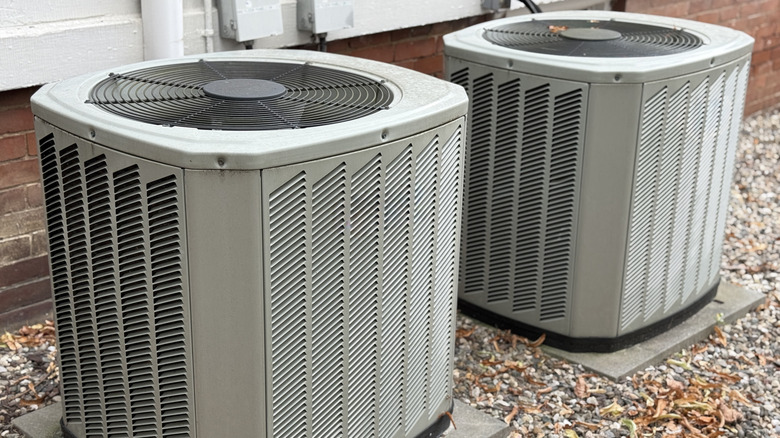
For starters, a mini split pairs an outside unit with one or more inside units mounted on walls or ceilings. Instead of pushing air through hidden vents and ductwork, these indoor units cool each room or area directly. This makes mini splits easy to install and a good choice for older homes that don't have built-in air ducts. On the other hand, a central air system relies on an outdoor unit, plus an indoor air handler to cool the air, which is then pushed through a system of ducts and vents throughout the entire home. It's often the go-to option if the house already has ductwork built into the walls and ceilings.
That being said, both types rely on an outdoor unit connected to an indoor one by a line full of special liquid called refrigerant. This fluid absorbs heat and humidity from inside the home, carries it outside to be released into the open air, then flows back inside cooled down and ready to repeat the process. There's no clear winner between the two, as they have their own pros and cons (more on that below), and both air conditioners should be serviced at least once a year.
Advantages and disadvantages of mini split and central air
Mini splits stand out for their efficiency. Mini splits are much better at using electricity efficiently than standard central air systems, meaning they generally draw less power to keep the space just as cool. Mini splits feature variable speed compressors, which means they can ramp up or slow down automatically to deliver just the right amount of cooling the area needs at any given moment. Being ductless is an obvious plus for easier installation, and having the ability to turn on cooling only in the needed rooms can lower the overall power usage even more. As a bonus, they can also heat a home — something traditional central ACs can't do without a heat pump or furnace.
Nonetheless, mini splits tend to be pricier initially, provided the house already has ducts for central air conditioning. While they have air filters, mini splits aren't that good at filtering indoor air compared to the central system, which pulls air from every room in the home, capturing dust, pollen, mold, and other floating particles. Mini splits usually stick out in homes, although not everyone will care about the appearance.
Meanwhile, central ACs are cheaper if the home already has an air duct system. Due to the ability to cool the whole house, central air conditioning is better suited for larger houses. Additionally, central air does a better job of pulling dust and harmful particles. Because nearly all the air in the house flows through one main central unit and filter, it keeps the air cleaner from room to room. They're less energy-efficient, though, and cooling the whole house will take a toll on your energy bills. Also, duct maintenance will be needed to prevent bigger problems down the road.