

Why Does The Toyota RAV4 Woodland Edition Get Less MPG Than Other Trims?
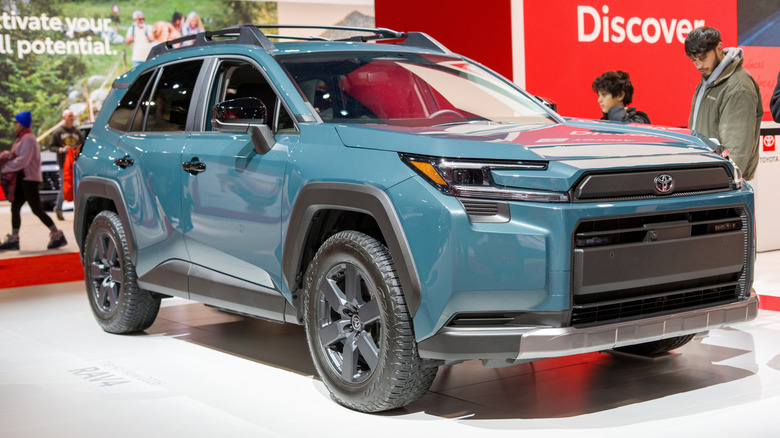
The Toyota RAV4 is a great SUV for outdoor adventures, which means the Woodland Edition branding is pretty appropriate, all things considered. However, this particular trim does have something of an Achilles' heel, in that it's a smidge less fuel efficient than other packages.
The difference comes down to some of the additional hardware bolted on to the Woodland Edition to make it more "outdoor ready." This includes stuff like all-terrain tires to handle rugged wilderness trails, and the included roof rails so you can strap a kayak, bike, or other outdoor gear up top without taking up valuable space inside your ride. It's a handy feature, but it slightly reduces the Woodland Edition's MPG due to additional weight and drag.
While not massive, the difference is significant. According to Toyota, the 2026 Woodland Edition hybrid gets 41 MPG in the city and 35 on the highway. By comparison, the 2026 RAV4 XLE Premium AWD trim is rated at 47 MPG in the city and 40 on the highway. That six extra miles per gallon in the city and five on the highway may not sound like a huge gulf, but it adds up to meaningfully higher fuel costs over time. If fuel efficiency is your primary motivator, there are a number of hybrid sedans that get better MPG than the RAV4 out there.
How the tires and roof hardware impact mileage
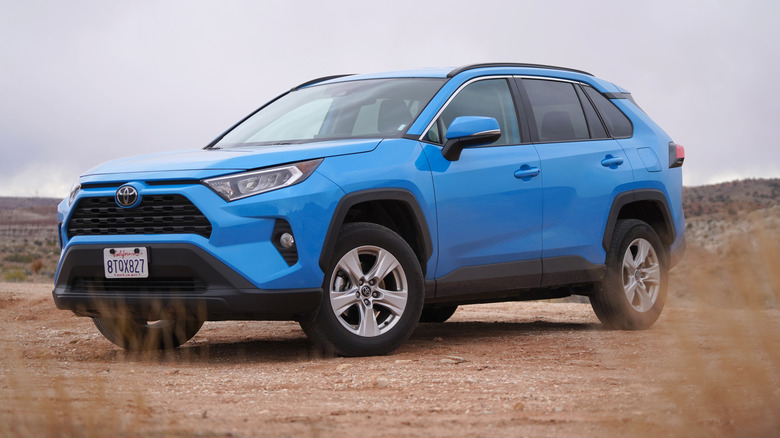
While the RAV4 plug-in hybrid's MPG is a great incentive to buy one, there are other compelling reasons, and the Woodland Edition's off-road extras are a nice sweetener. But due to how the all-terrain tires interact with the road and the additional weight of the roof equipment, it does mean sacrificing a bit of fuel efficiency.
To explain, tires consume energy as they repeatedly deform against the road, losing some of that energy as heat. This phenomenon is called rolling resistance, and overcoming it requires energy. All-terrain tires have a deeper tread and more heavyweight construction than standard road tires, which increases rolling resistance and demands more energy from the powertrain.
The aforementioned roof rails and crossbars are the other major culprit. They generate additional aerodynamic drag, which makes the vehicle expend more energy to cut through the air. They also add a small bit of weight to the chassis, an issue that's compounded if they're loaded with additional bikes, canoes, or other camping gear. Whether the tradeoff is worth it or a sleeker trim is a better fit will depend largely on how many wilderness adventures you intend to have in your new RAV4 hybrid.