

What Causes Chainsaw Kickback (And How You Can Avoid It)
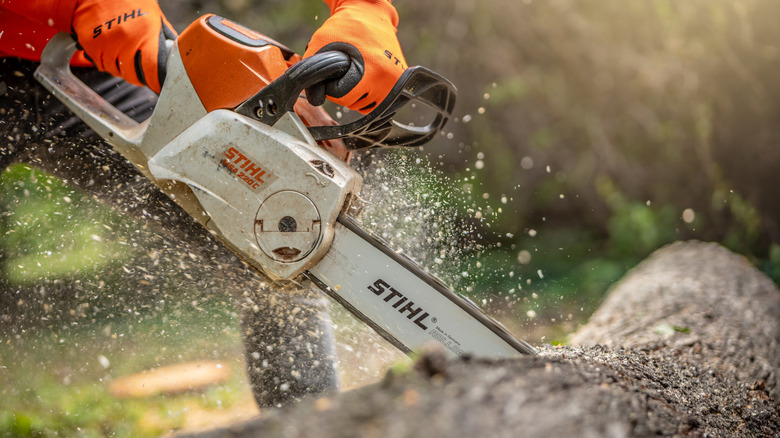
You probably won't be surprised to learn that chainsaws are one of the power tools with the worst track record for injuries. One of the main causes of chainsaw injuries is kickback, especially for novice users, which can turn a cut into a serious injury. That said, it's largely a preventable issue, if you're familiar with the causes and how to avoid them.
Equipment condition is one big contributing factor. Dull or loose chains, incorrectly installed parts, loose rivets, and bent, cracked, or broken chain components can all increase the risk of dangerous kickback. Knowing how to properly maintain your chainsaw can help mitigate a number of those risk factors, as well as improper sharpening or poorly adjusted depth gauges.
Another leading cause of kickback is when the chain strikes something near the tip of the saw while you're cutting, and a larger nose often means a higher chance of incident. This can lead to wood pinching in around the chain mid-cut, which can cause several kinds of unintended movement, including kickback. Pinching near the upper nose of the guide bar can send it launching upward, but stopping the chain along the bar's top can drive the saw straight backward.
How to reduce your risk
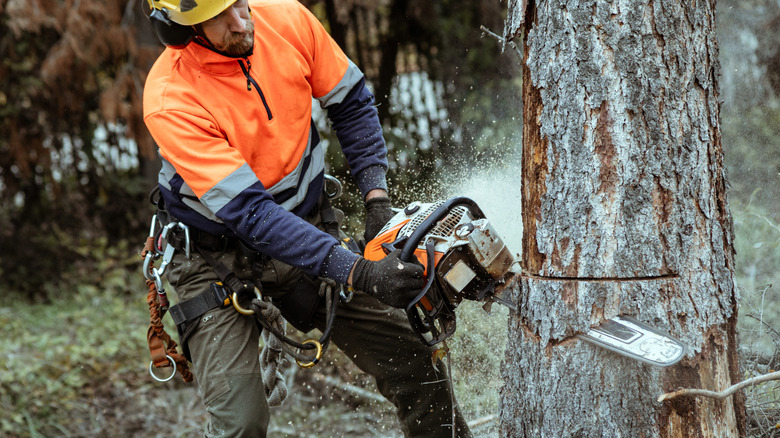
Start by ensuring your saw's chain is properly tightened. You should always inspect your chainsaw before you start cutting, and make sure you're giving particular attention to chain tension and assembly, fasteners, and all of the included safety devices. Never, under any circumstances, attempt to operate a damaged saw. Ensure the cutters are properly sharpened and the depth gauges are set to manufacturer's specs; guesswork is a quick way to get yourself into serious trouble.
There are also low kickback chains and reduced kickback guide bars available, though make sure you're using a combination intended to work together. You should also check the chain brake as instructed before you get to work.
When you're actually cutting, make sure the bar nose is always visible and clear of any nearby branches or other obstacles. Cut a single log at a time, and be aware of wood that might shift or move as you're cutting, especially if it may close the cut. Hold the saw firmly and make sure your feet are securely planted. You also never want to overreach when you're operating a saw, or cut above shoulder height.
Finally, you'll want to wear appropriate protective gear, including eye and hearing protection, a hardhat, gloves, and sturdy, protective footwear. If you're concerned that a job might be beyond your expertise, leave it to qualified professionals instead of plunging ahead on your own.