

What Happens If You Take A Freshwater Boat In The Ocean?
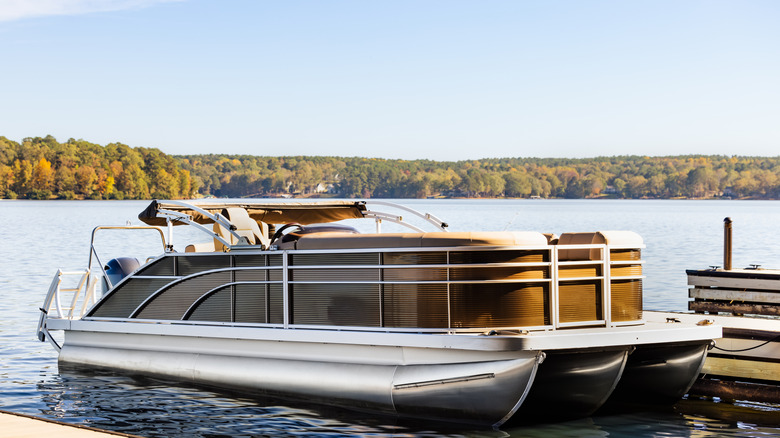
Boats are just like any other vehicles: They come in many different forms. For example, some "boats" actually qualify as ships. There are also different types of boats designed for different environments. A freshwater boat wasn't meant to be exposed to certain elements the way a saltwater boat is. Thus, operating a freshwater boat in the ocean can lead to a range of potential consequences.
It's worth noting that not all freshwater boats are the same. You need to discuss this topic with a professional in greater detail when purchasing a vessel. A boat that primarily qualifies as a freshwater vessel may nevertheless be able to operate safely in the ocean if certain design precautions have been taken.
That said, freshwater boats aren't typically designed to run in ocean water. Exposing a freshwater boat to these conditions can lead to significant corrosion. Depending on the size of the vessel, it can also increase the chances of a wreck occurring.
The corrosion risks of operating a freshwater boat in the ocean
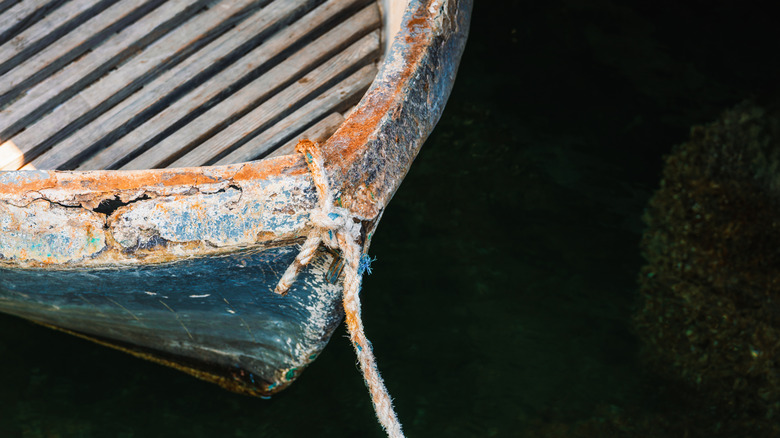
Learning about proper maintenance is essential when buying any type of boat. For example, if you purchase a boat with an outboard motor, you should find out not only how to flush the engine, but how often doing so is necessary. It's often recommended that boaters flush their outboard motors with clean water after every use.
Doing so guards against corrosion. Naturally, if you operate a boat designed for freshwater usage out in the ocean, it may not have been designed to stand up to saltwater's corrosive effects. That means corrosion can happen more quickly if you bring a freshwater boat into the ocean.
That said, it's vital to understand that even freshwater has contaminants that can lead to corrosion over time. Even if yours is a freshwater boat, and even if you never bring it into the ocean, you still need to learn about flushing the engine and similar upkeep tasks.
Consider that saltwater can corrode a surface as much as 10 times more quickly than freshwater can. This process may happen faster if a boat's materials weren't chosen for saltwater usage. That means if you bring your freshwater boat into the ocean, you could be significantly jeopardizing its lifespan. At the very least, you may need to make costly repairs and upgrades earlier than expected to address the effects of corrosion.
The safety risks of bringing a freshwater boat in the ocean

Damage to the vessel isn't the only potential consequence of operating a freshwater boat in a saltwater environment. Sometimes, if a boat was designed with the assumption that it would be operated in freshwater, operating such a boat in the ocean can be unsafe for everyone onboard.
For example, when a boat is designed for ocean usage, it may have a relatively deep hull. This allows it to cut through chop. Freshwater boats, on the other hand, are meant to be operated in shallower water. They have flatter hulls accordingly. While these flat hulls are ideal for the environments in which freshwater boats are meant to be operated, in ocean chop, they can take quite a beating.
This may cause significant damage. It can also increase the odds of the boat capsizing. In other words, unless a trusted professional has confirmed in clear terms why your particular freshwater boat was actually designed for both freshwater and ocean usage, you should keep it out of the ocean.
That's just one safety essential to familiarize yourself with as you get more involved in boating. There are also certain points you should brush up on if you're launching a boat for the first time. In addition, you should ensure your boat is equipped with all the right tools like flotation devices and fire extinguishers. The more research you do, the safer you and your passengers will be out on the water.